People On The Move
First published on the Nani WeChat Official Account on January 12, 2021.

I’m fascinated by the color, energy, and atmosphere carried by ordinary people on the street. Between 2015 and 2020, I was constantly on the move, photographing strangers around me. Over six years, I shot more than 400,000 images of people passing by. This repetitive way of photographing slowly pulled me into a huge forest of portraits — ordinary, vulnerable, funny, exhausted, stylish, lonely, and temporary people moving through different cities.
The camera became less about “street photography” itself and more about observing how transportation, class, geography, fashion, movement, and urban life constantly reorganize people into temporary communities.
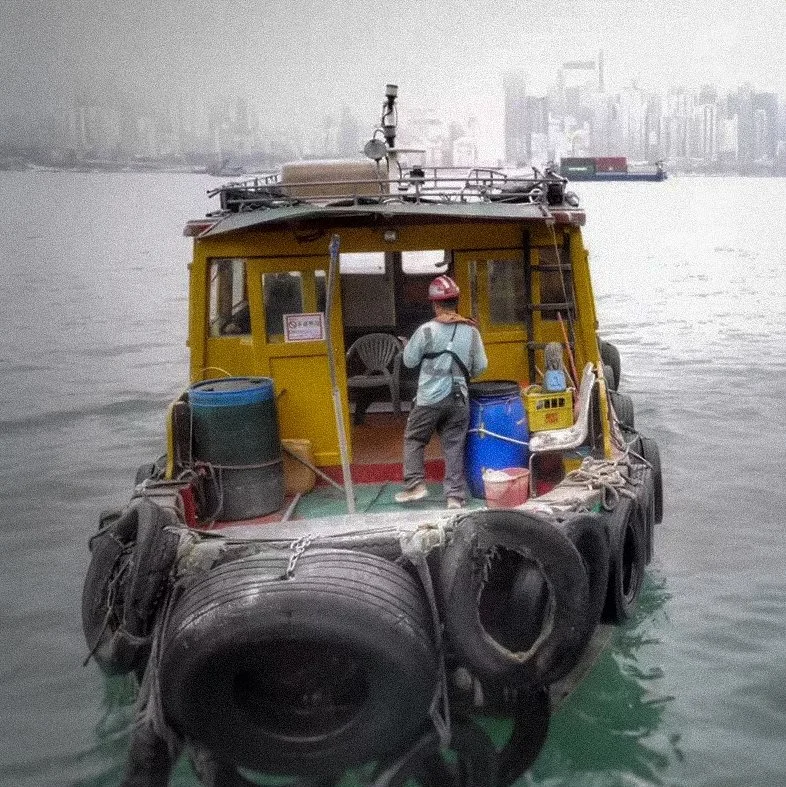
Walking, shared bicycles, scooters, motorcycles, ferries, buses, subways, taxis, ride-hailing apps, different license plates, different neighborhoods, different ways of moving — all of these quietly shape who we become while travelling through the city.
The following photographs were taken across 35 cities. Shanghai, Shenzhen, and Linyi became the three cities I repeatedly returned to during those years. Everywhere else, I was simply passing through.
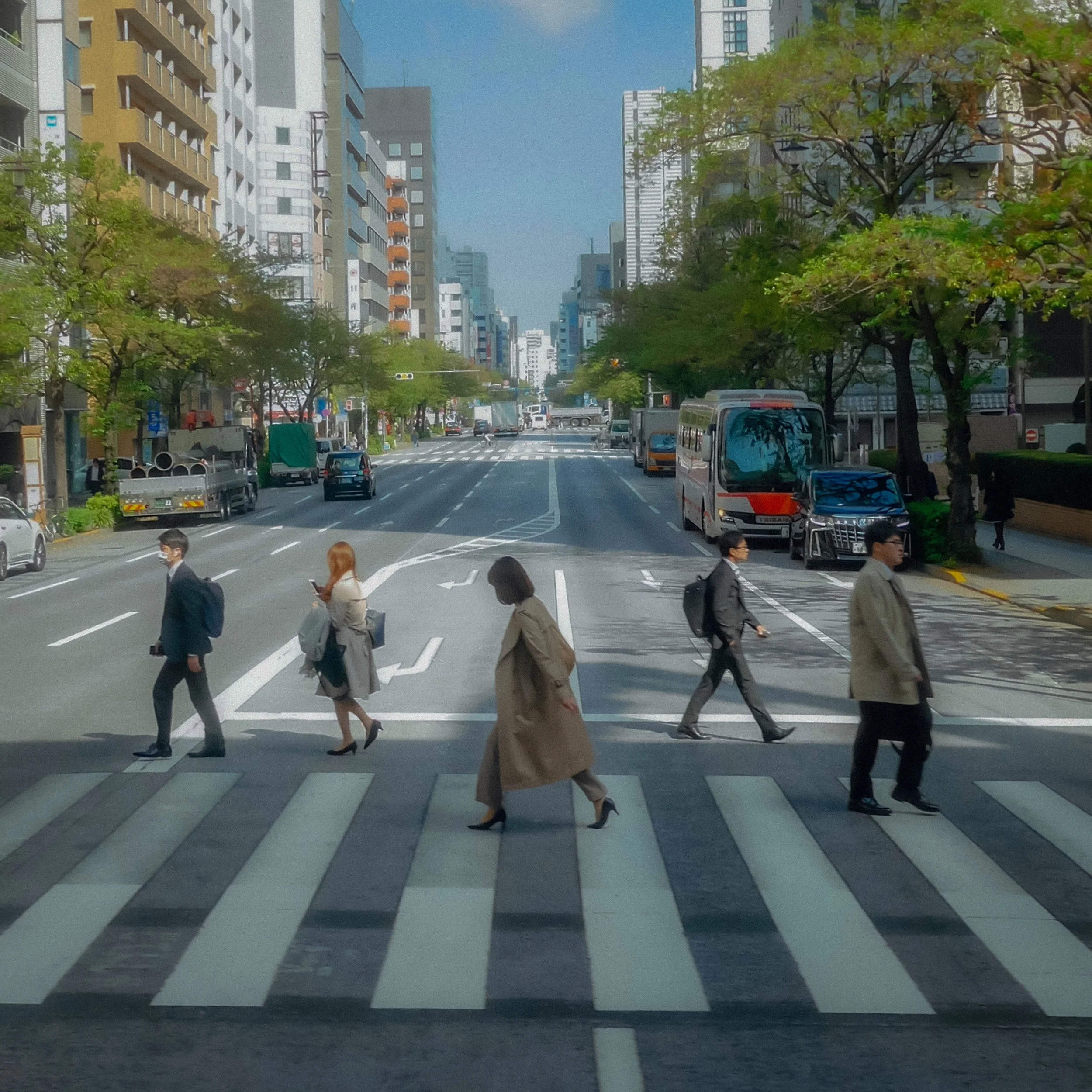
Tokyo 2019
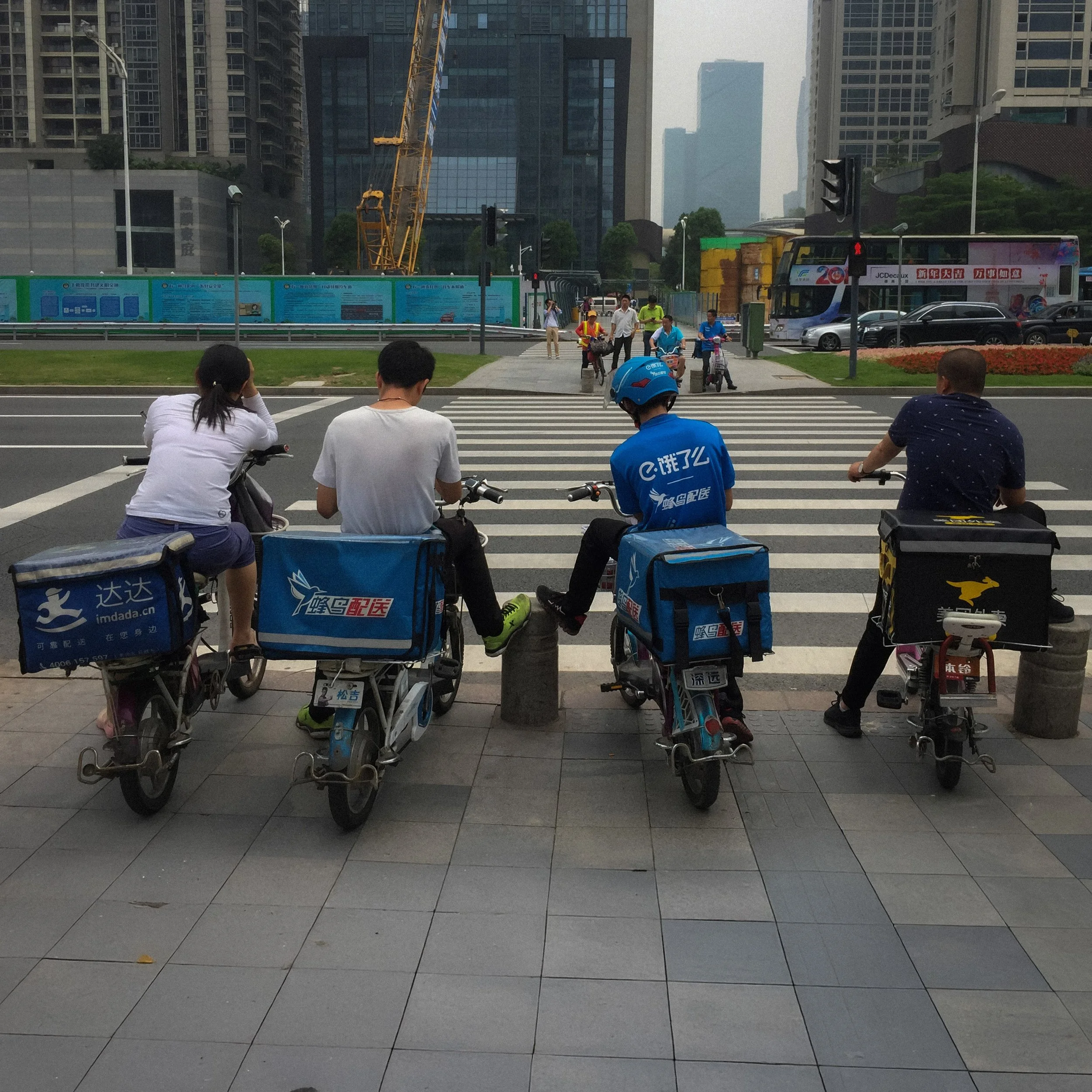
Shenzhen 2017
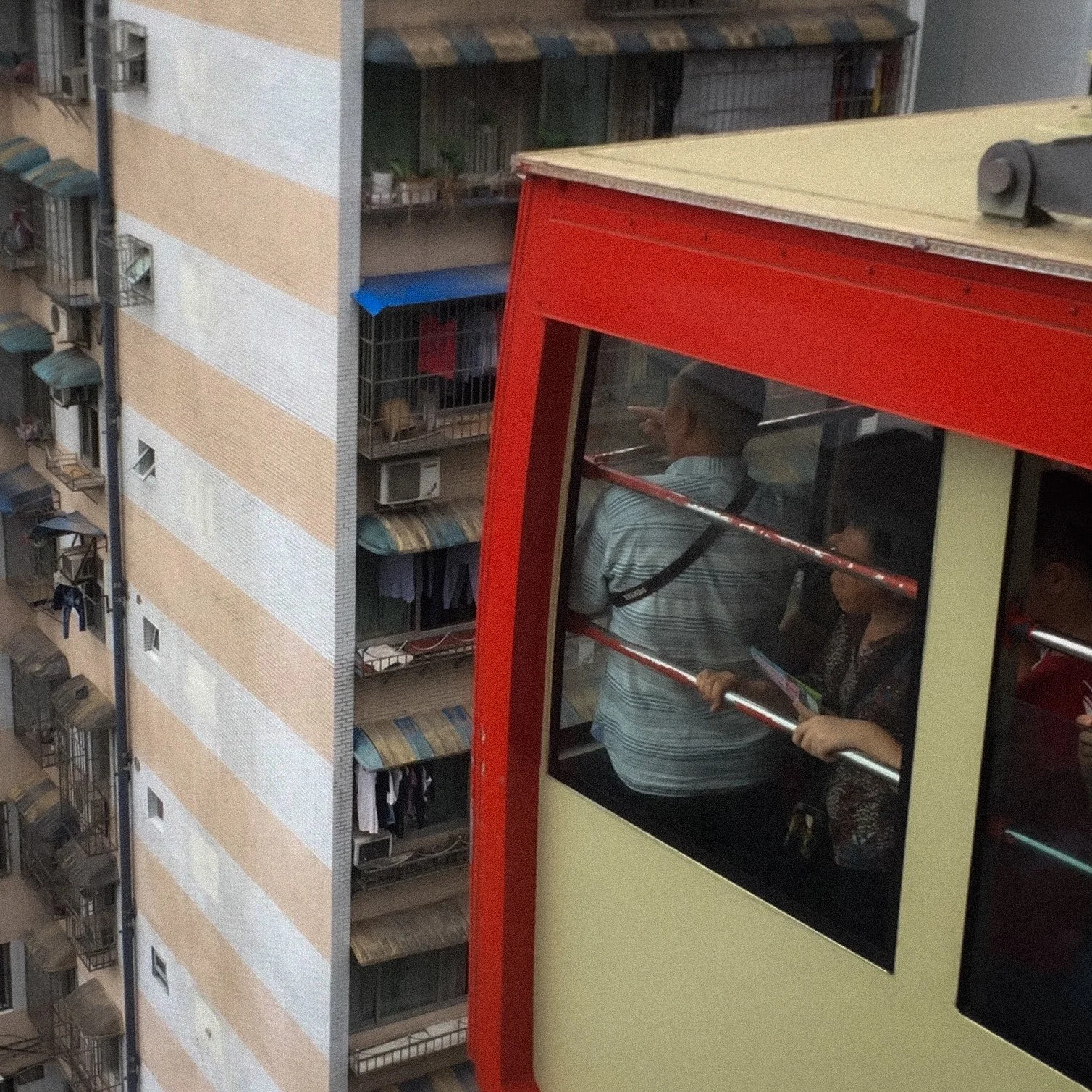
Chongqing 2017
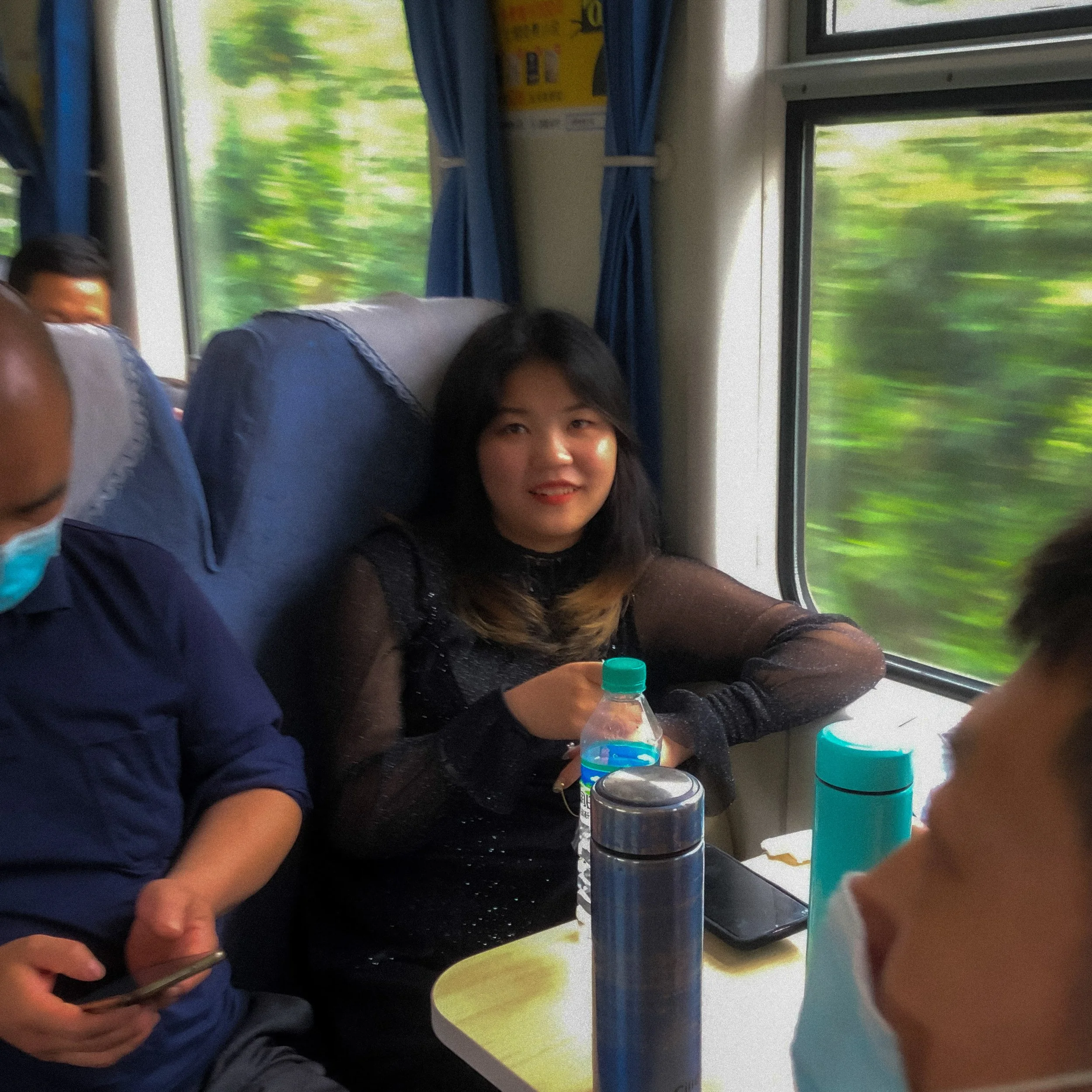
Kunshan 2020
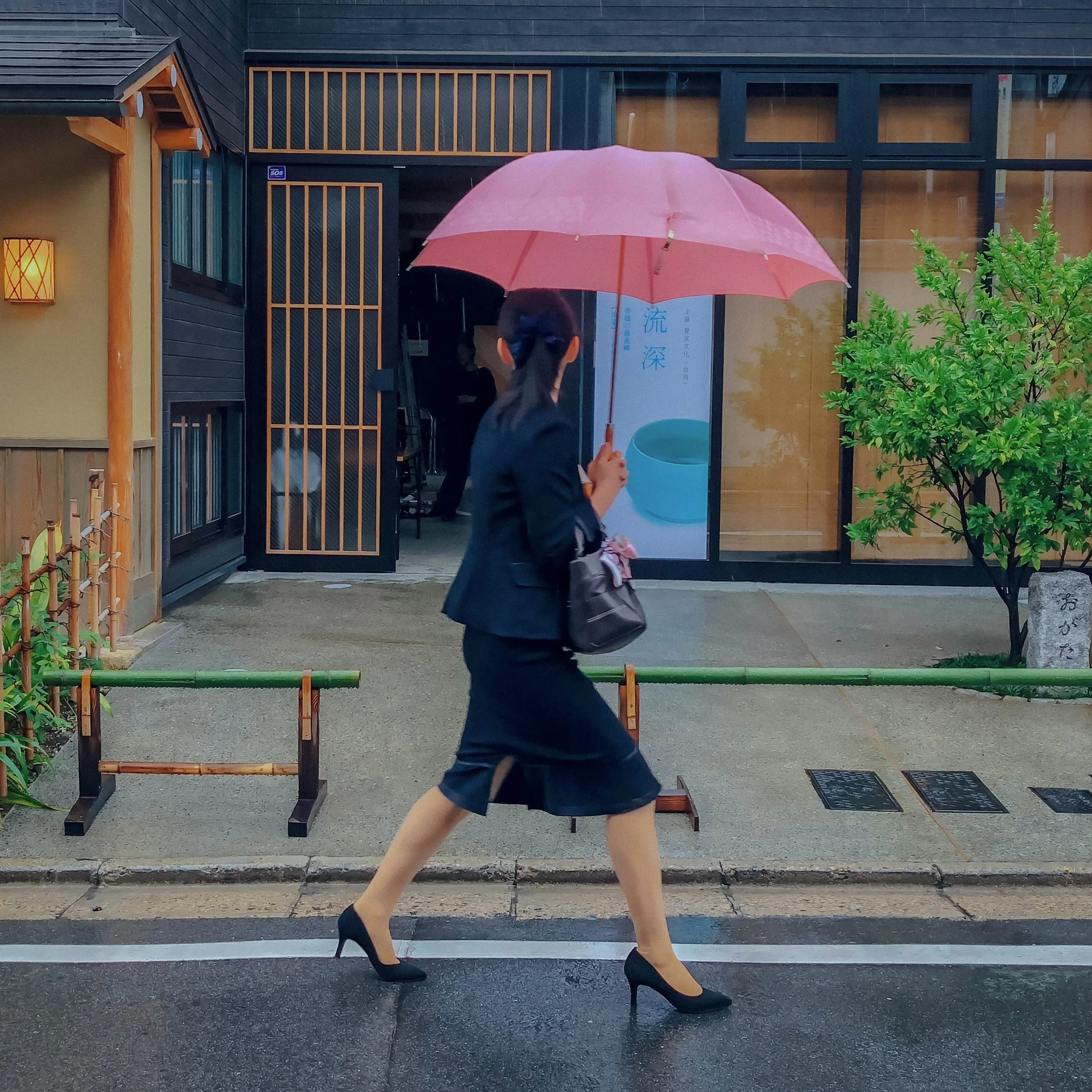
Nara 2017
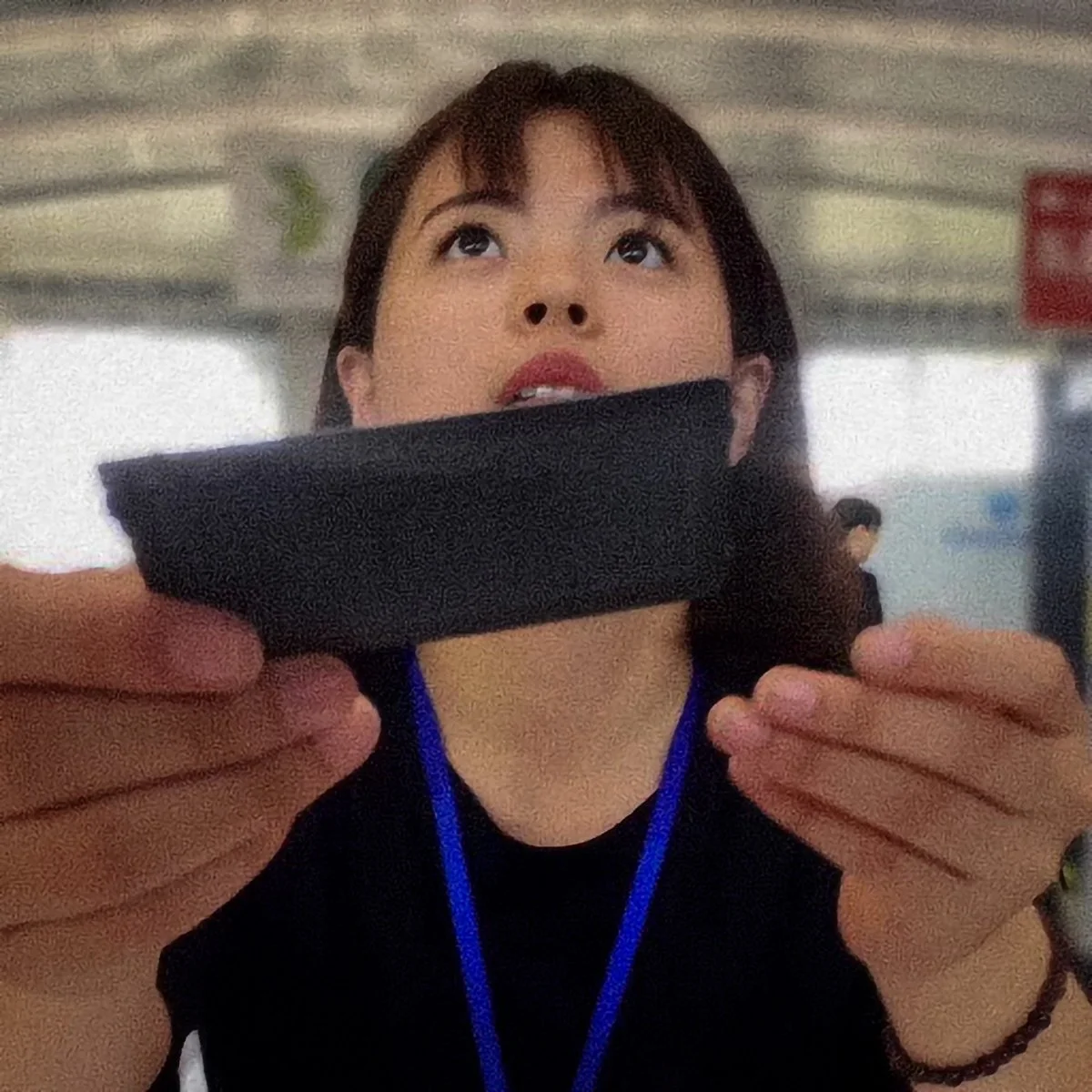
Fuzhou 2017
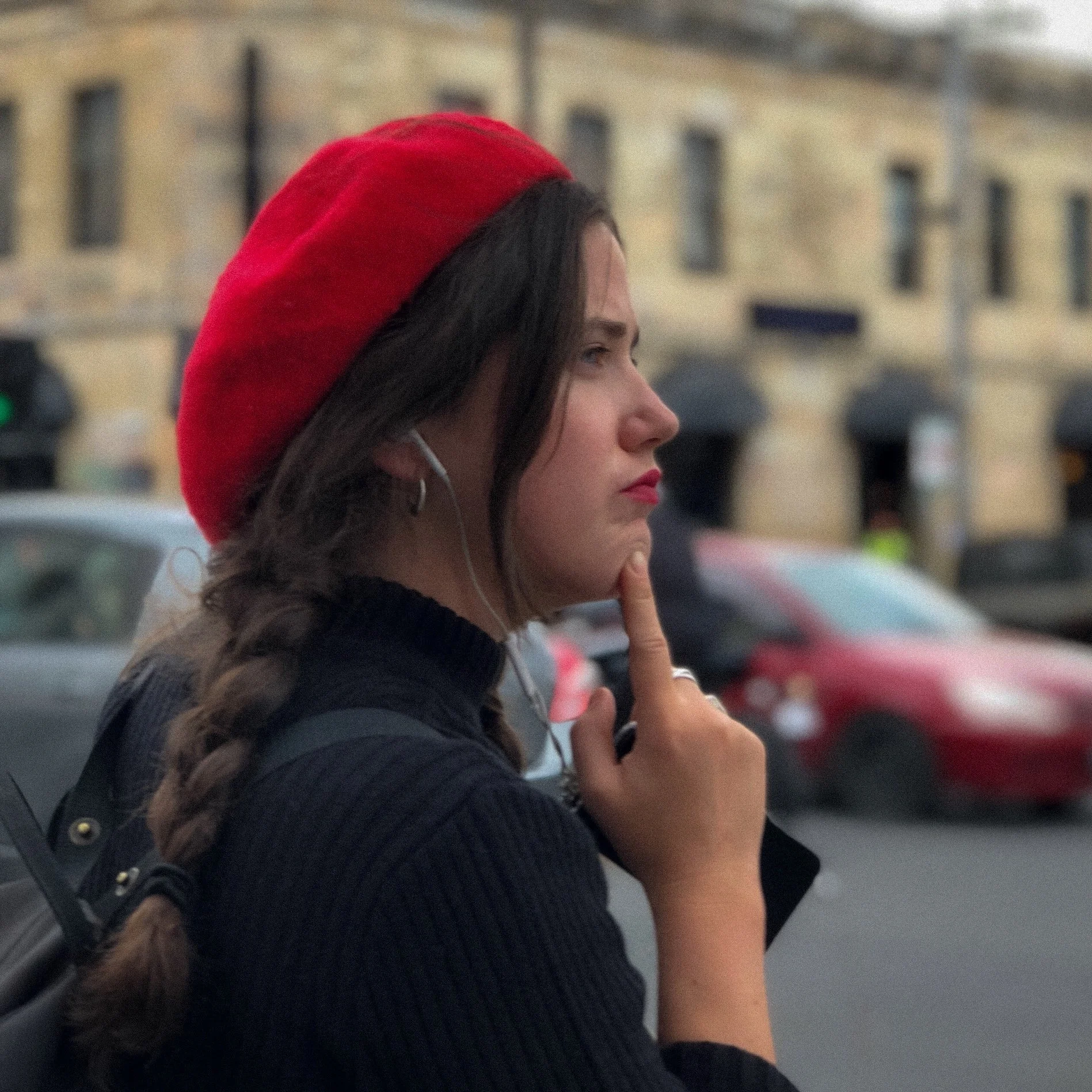
Melbourne 2017
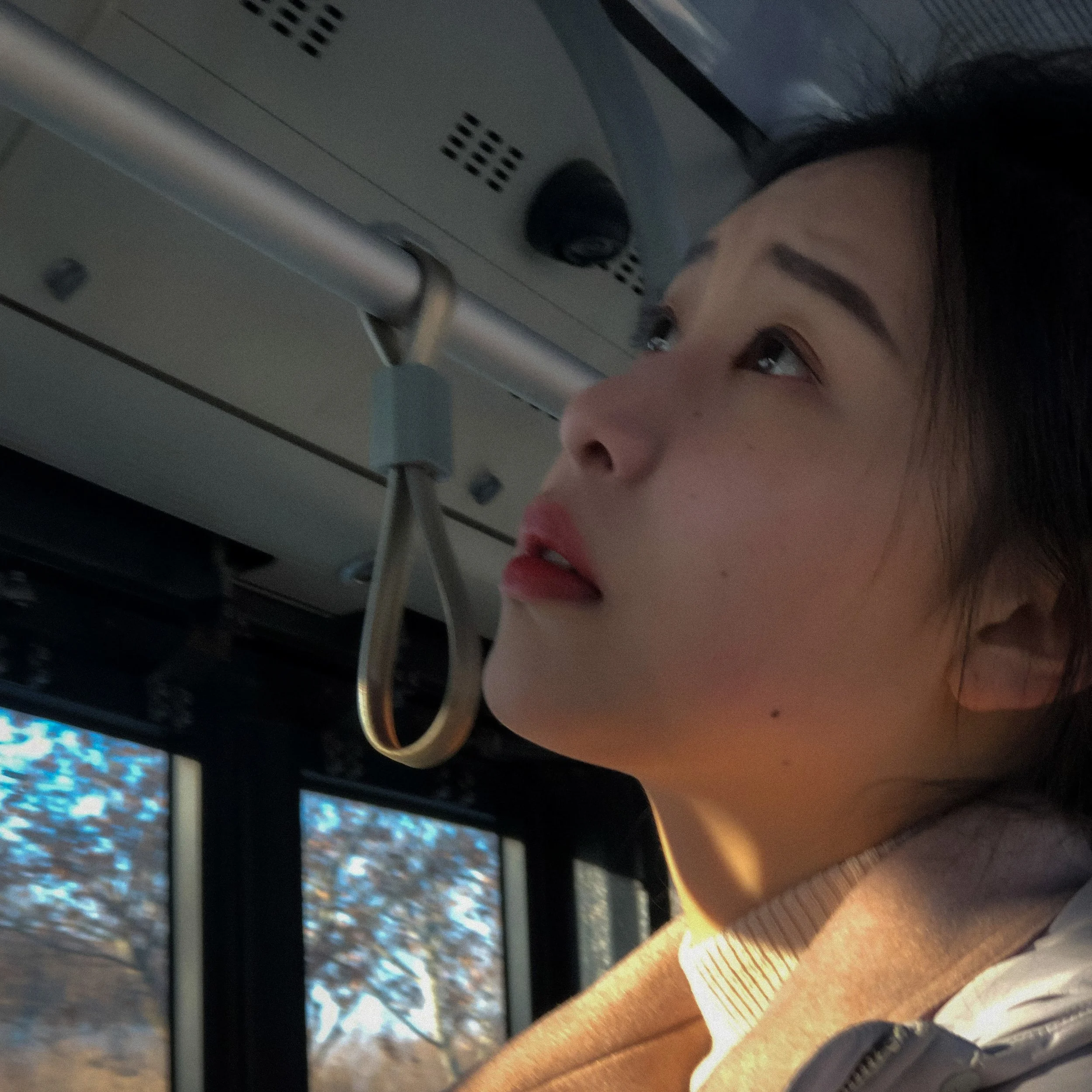
Jinan 2019
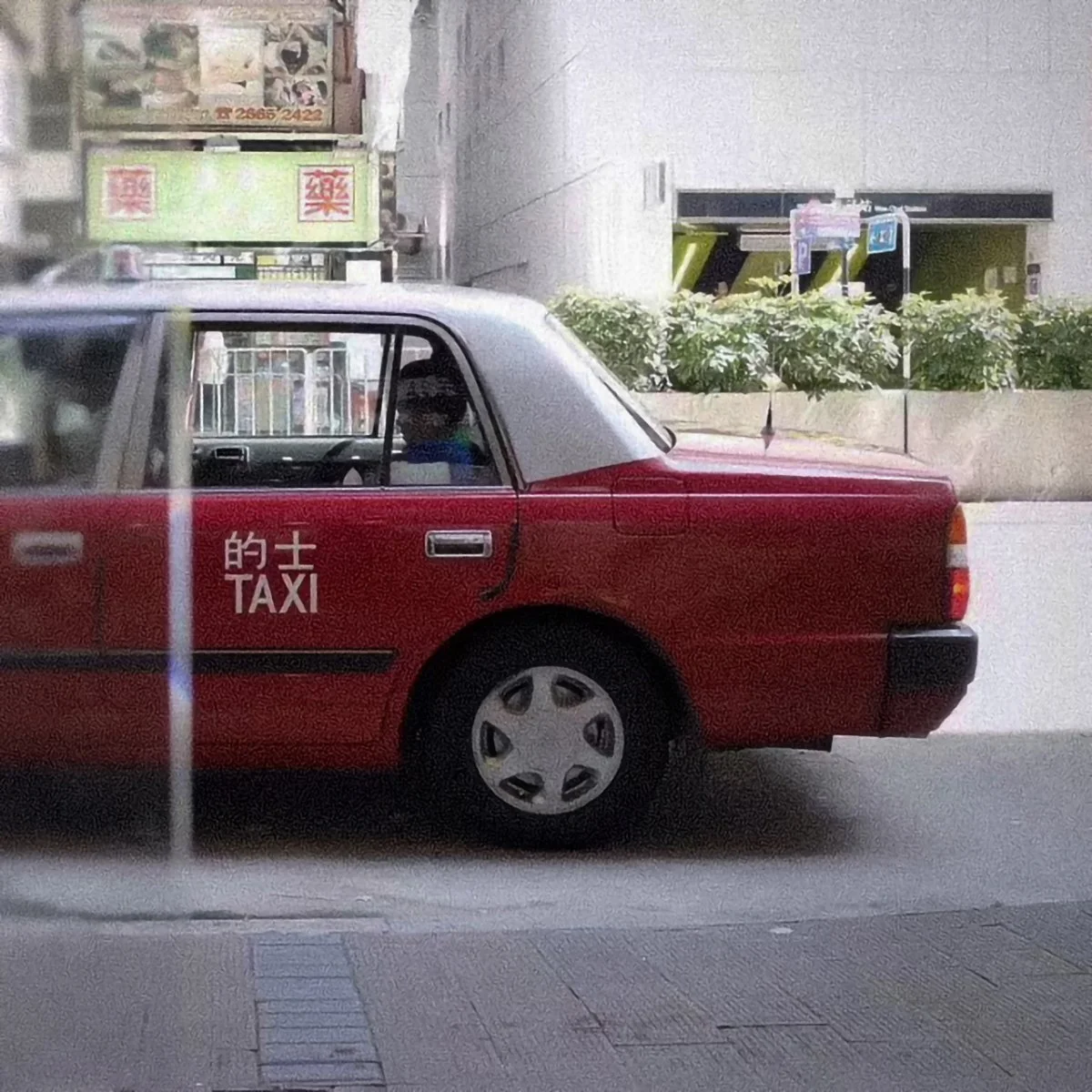
Hong Kong 2017
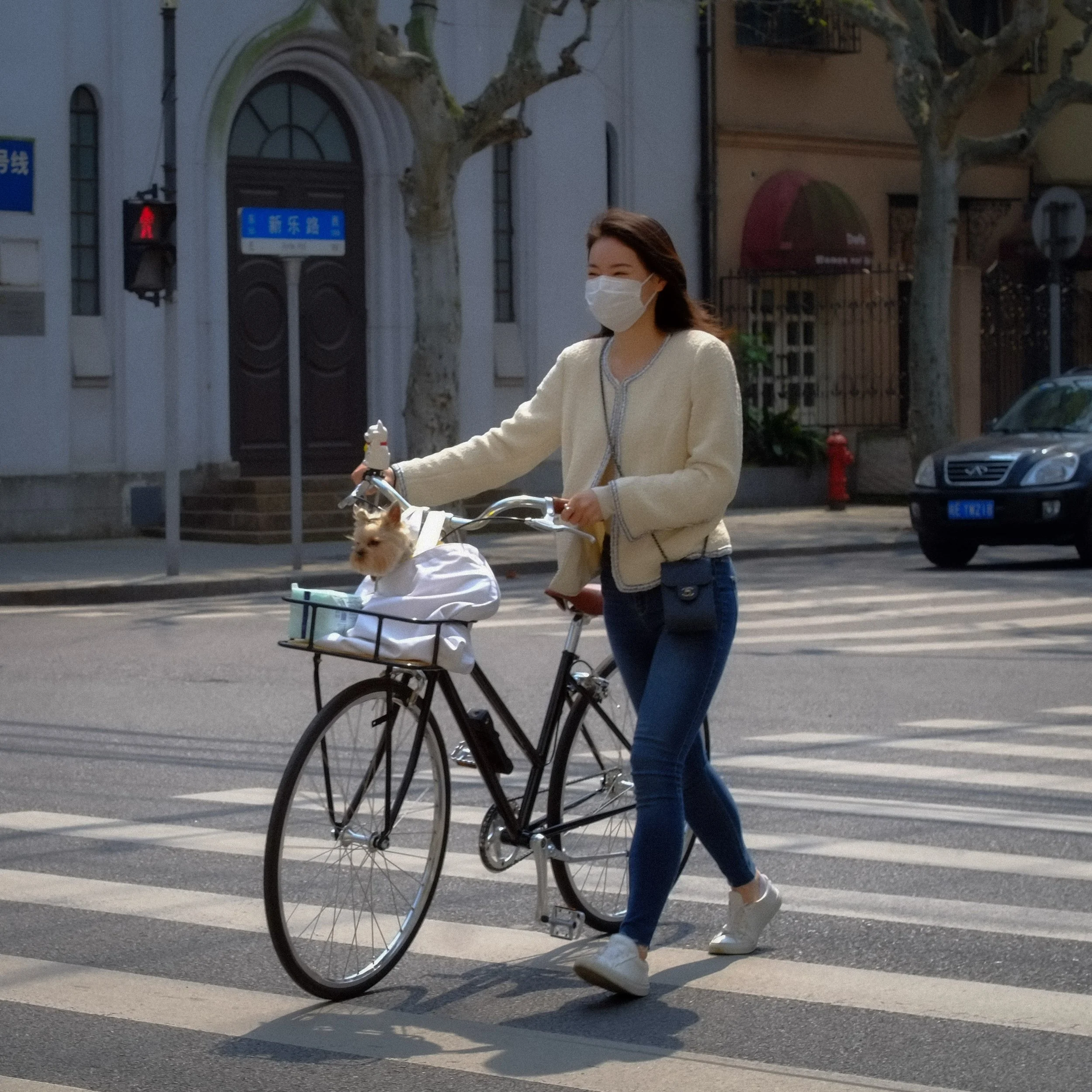
Shanghai 2020
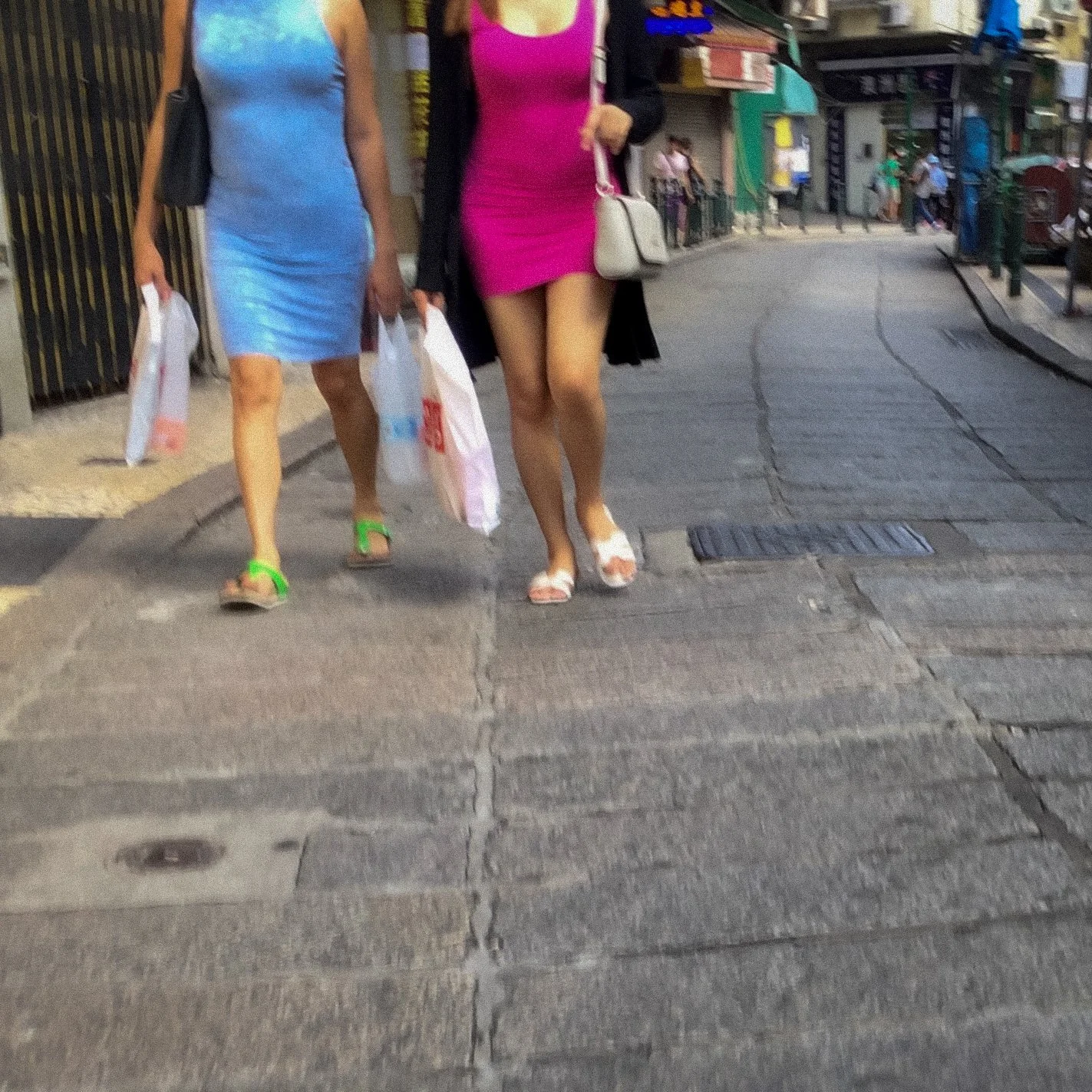
Macau 2017
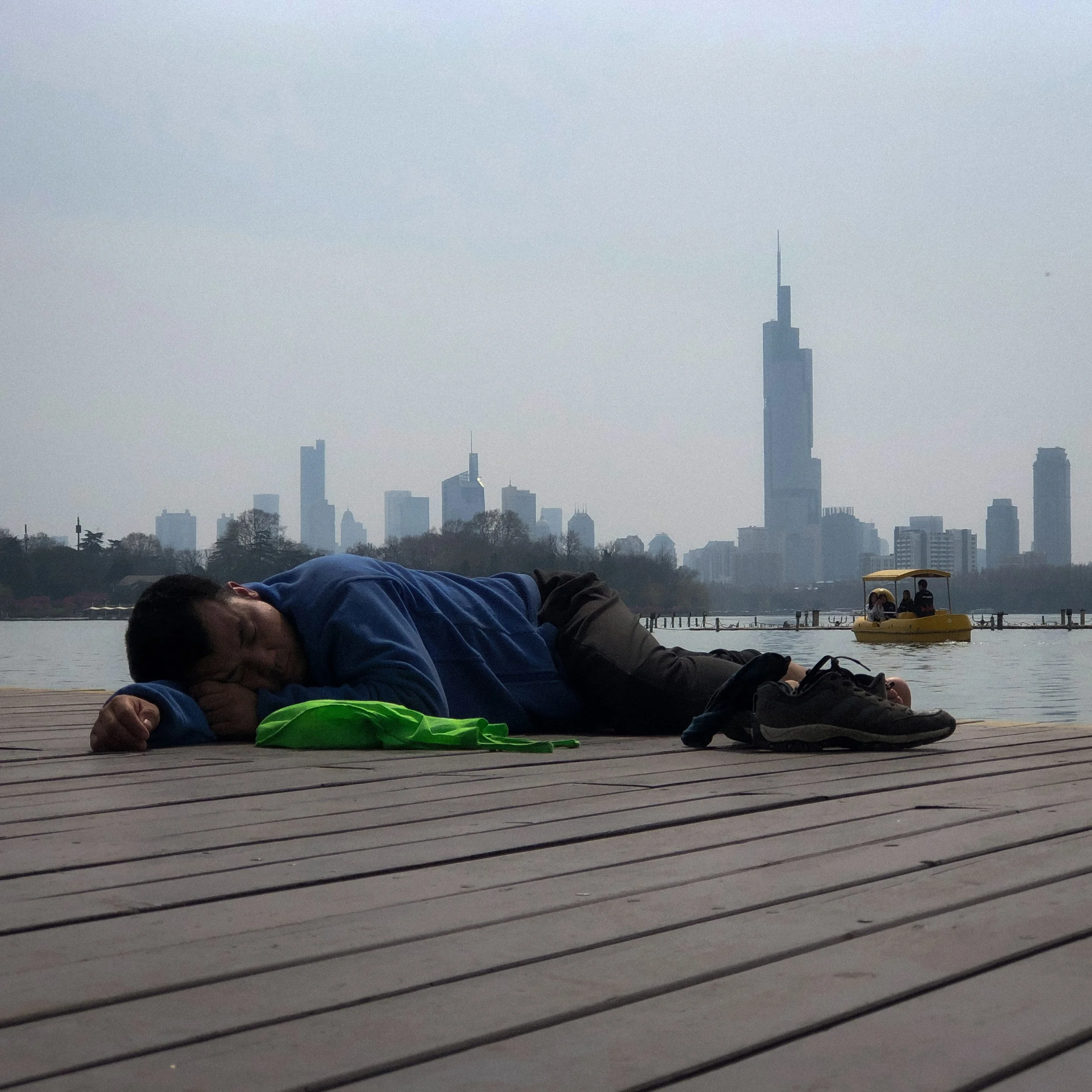
Nanjing 2019
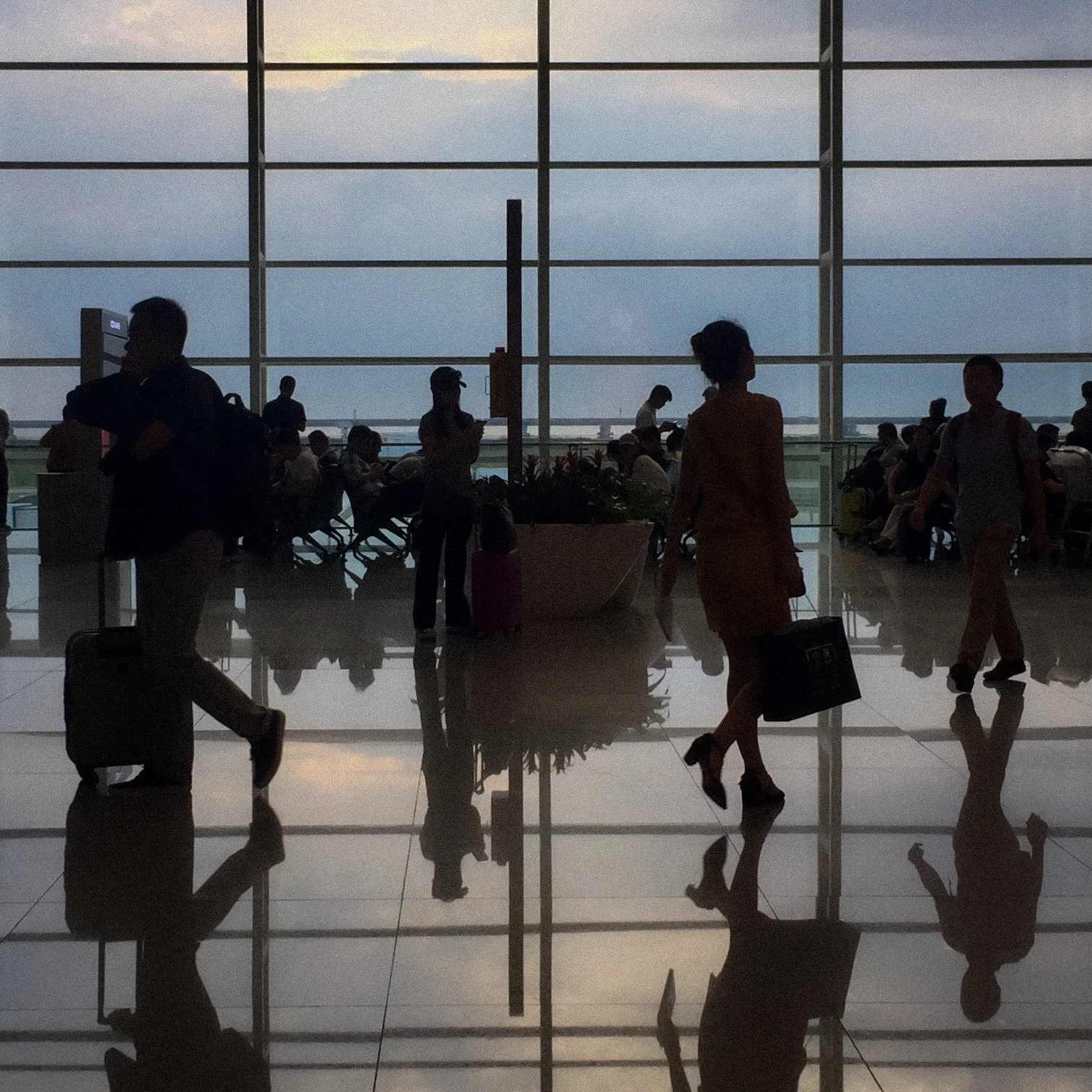
Shenzhen 2018
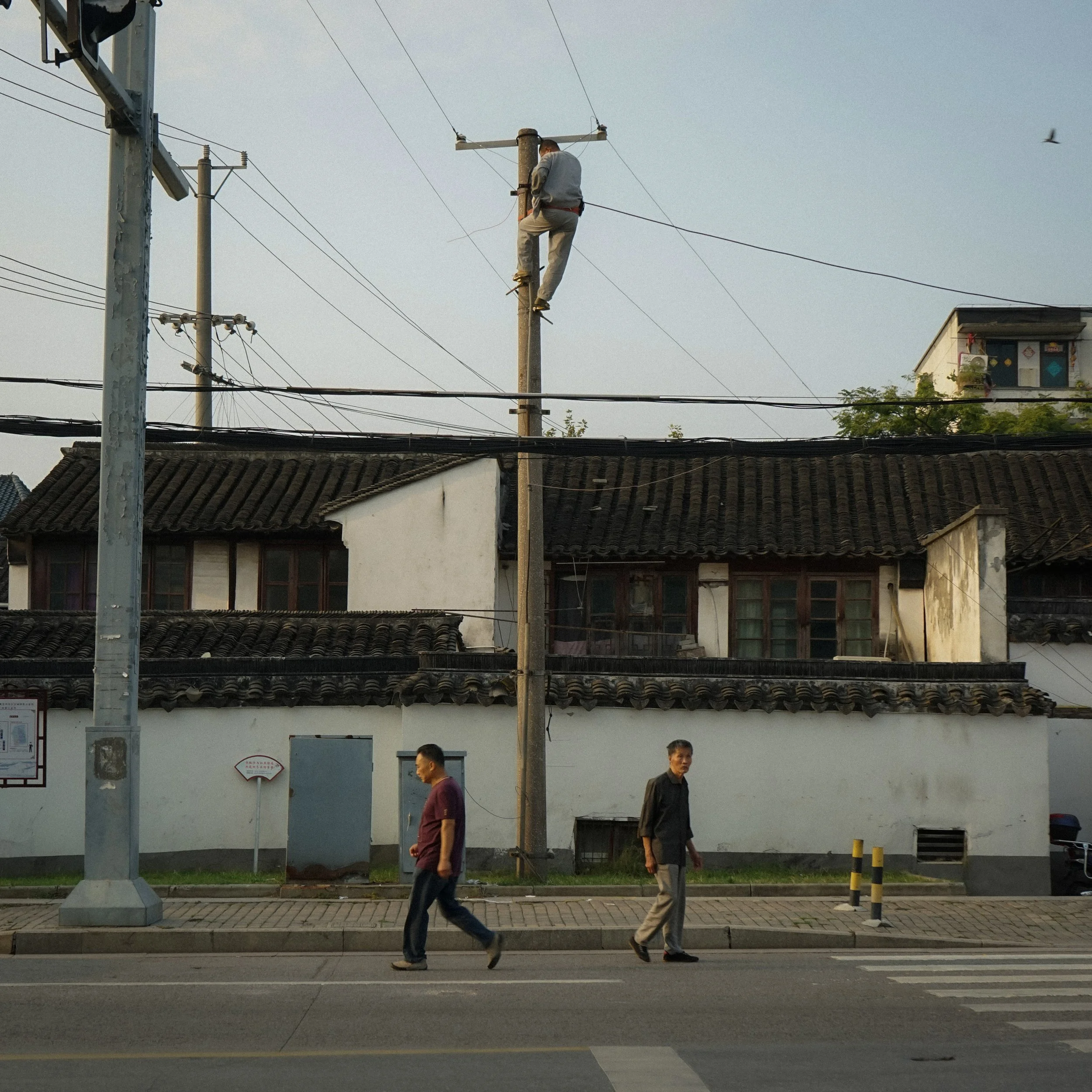
Suzhou 2020
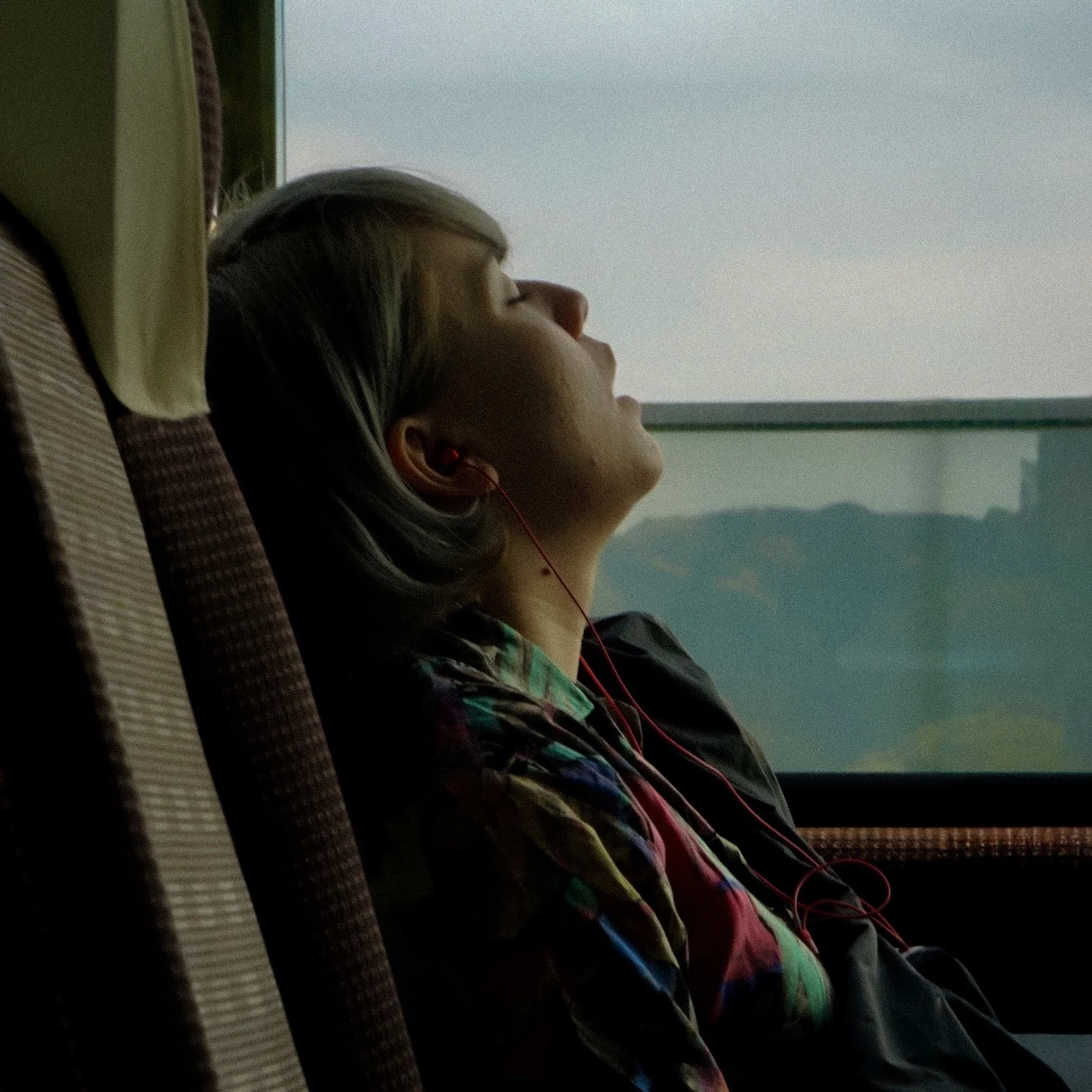
Tokyo 2019

Hong Kong 2017
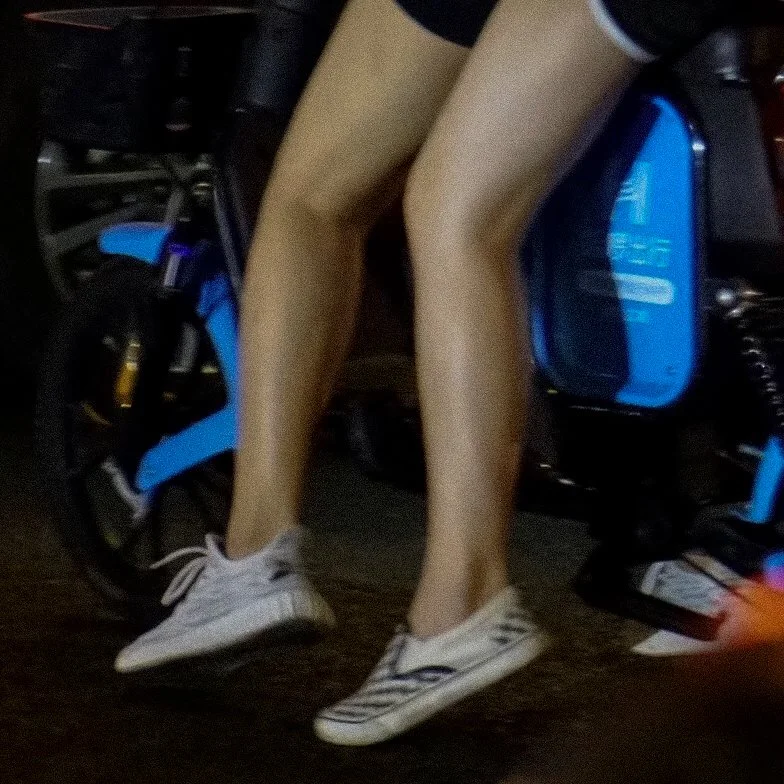
Quanzhou 2020
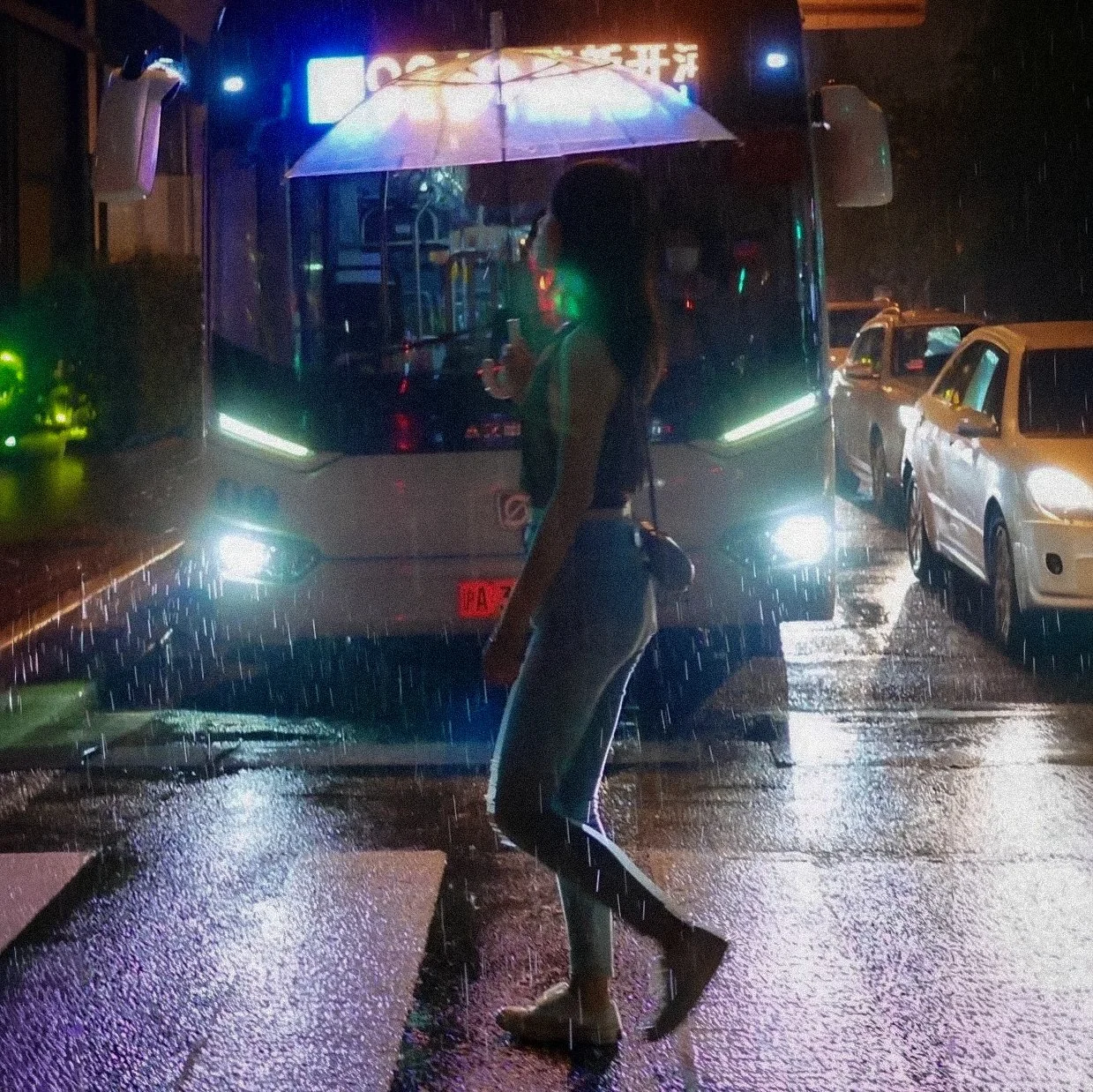
Shanghai 2020
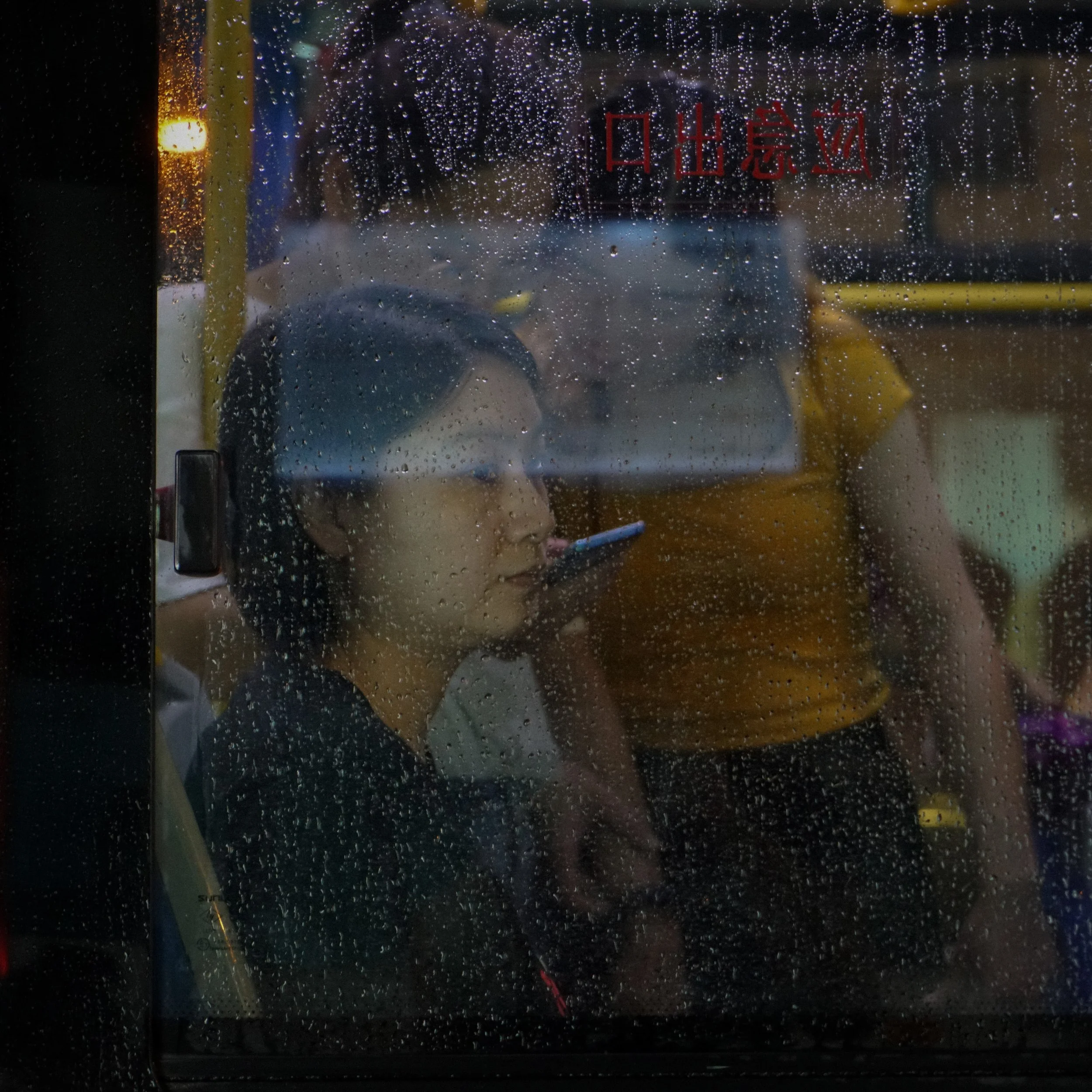
Shanghai 2019

Xiamen 2020
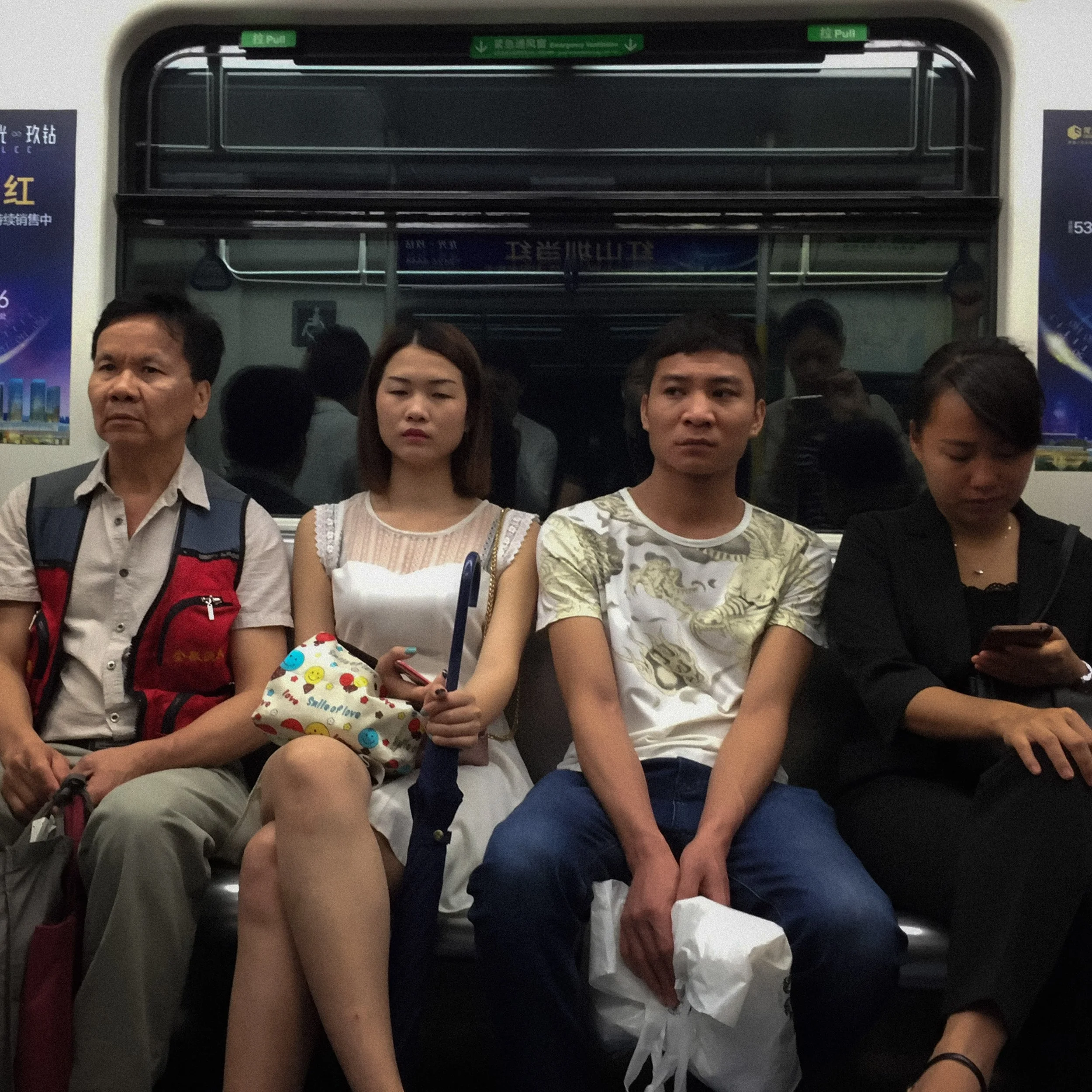
Shenzhen 2018
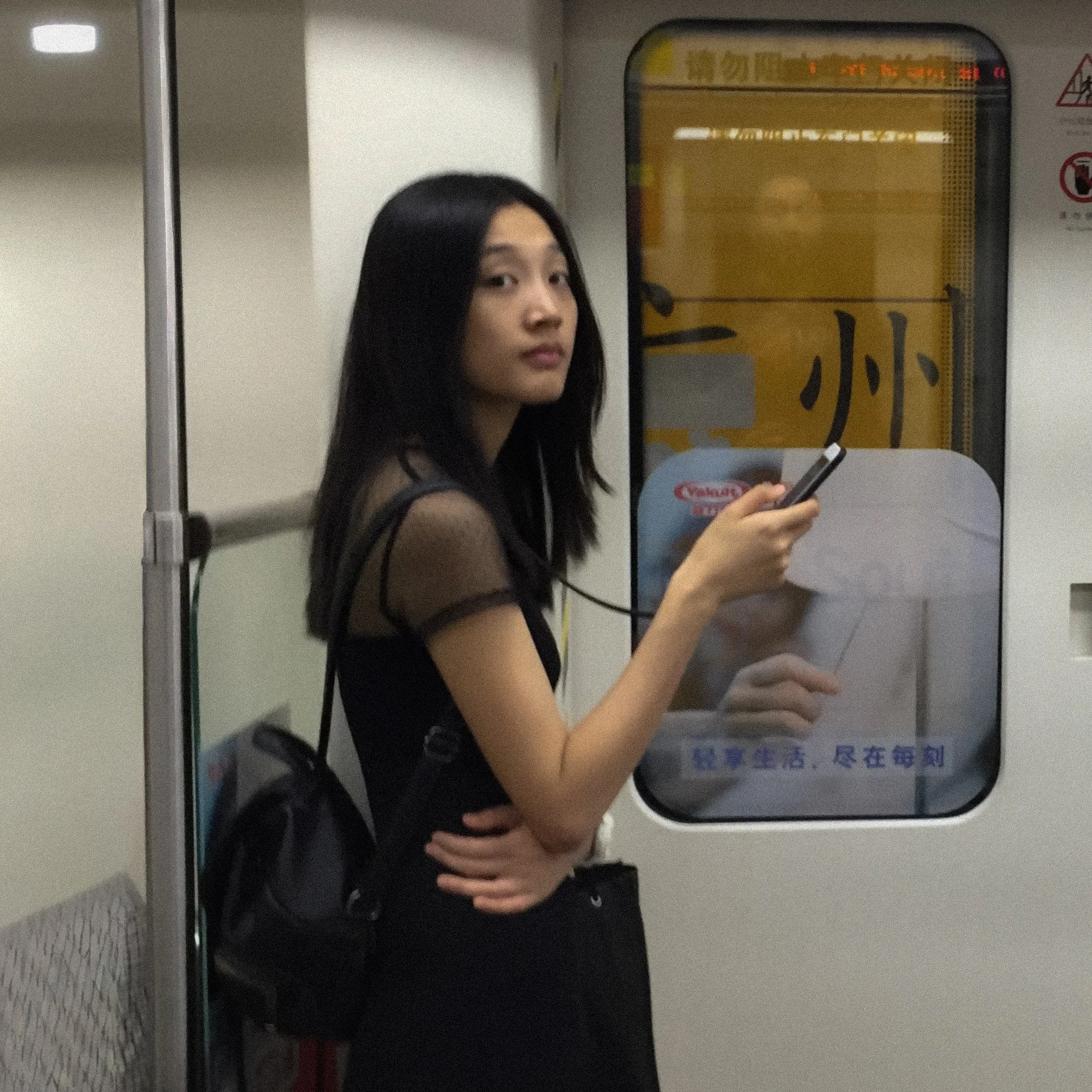
Guangzhou 2017

Hangzhou 2020
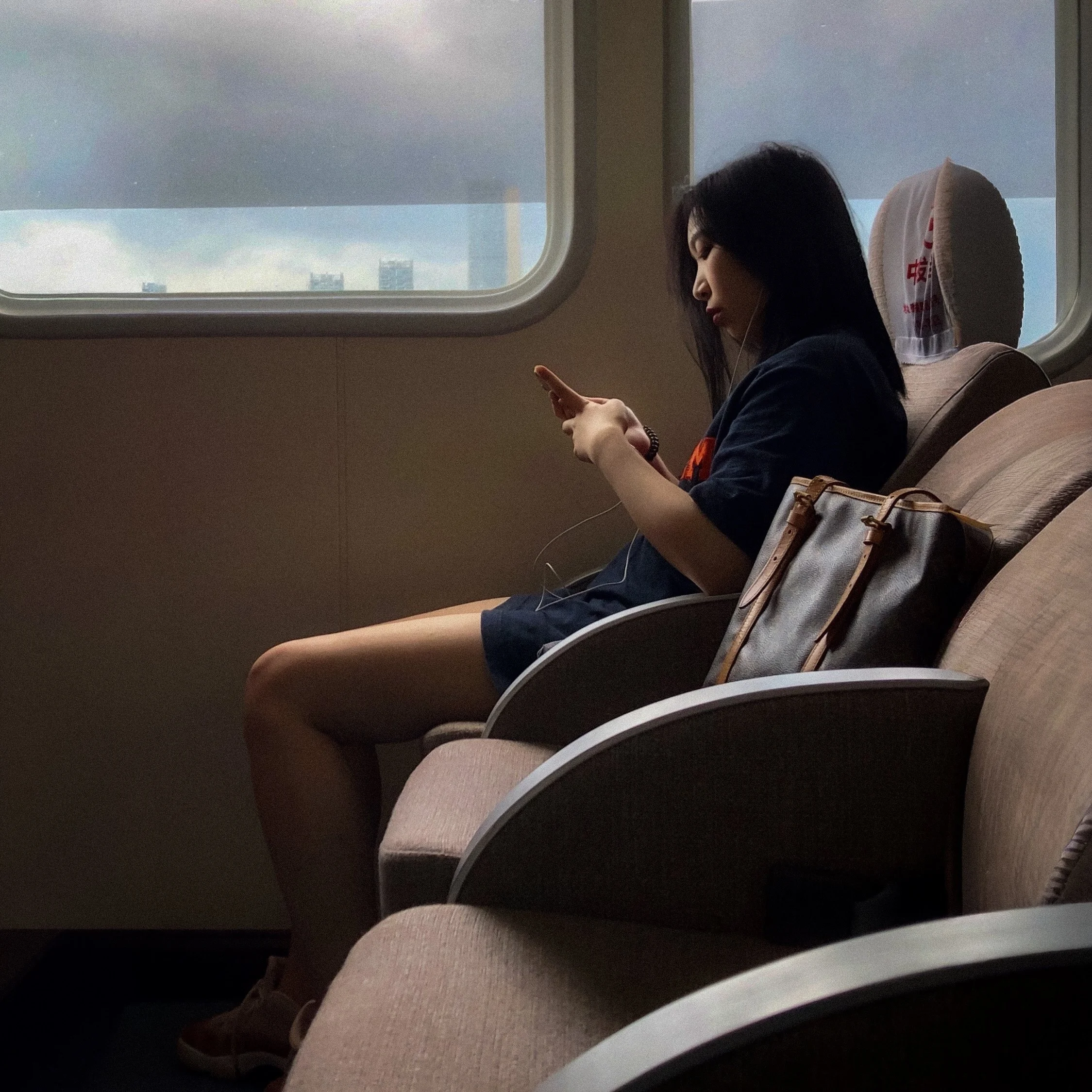
Zhuhai 2018
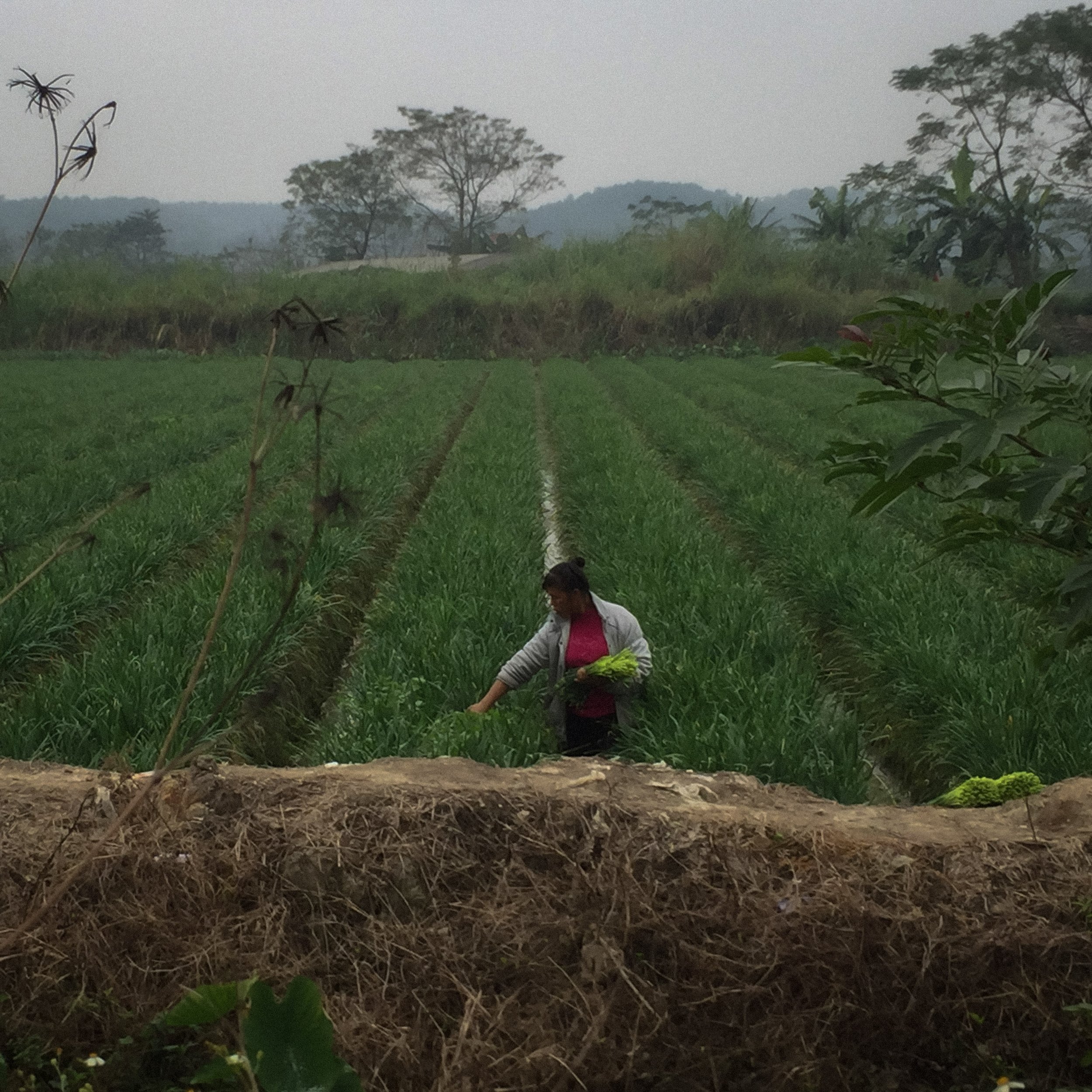
Foshan 2017
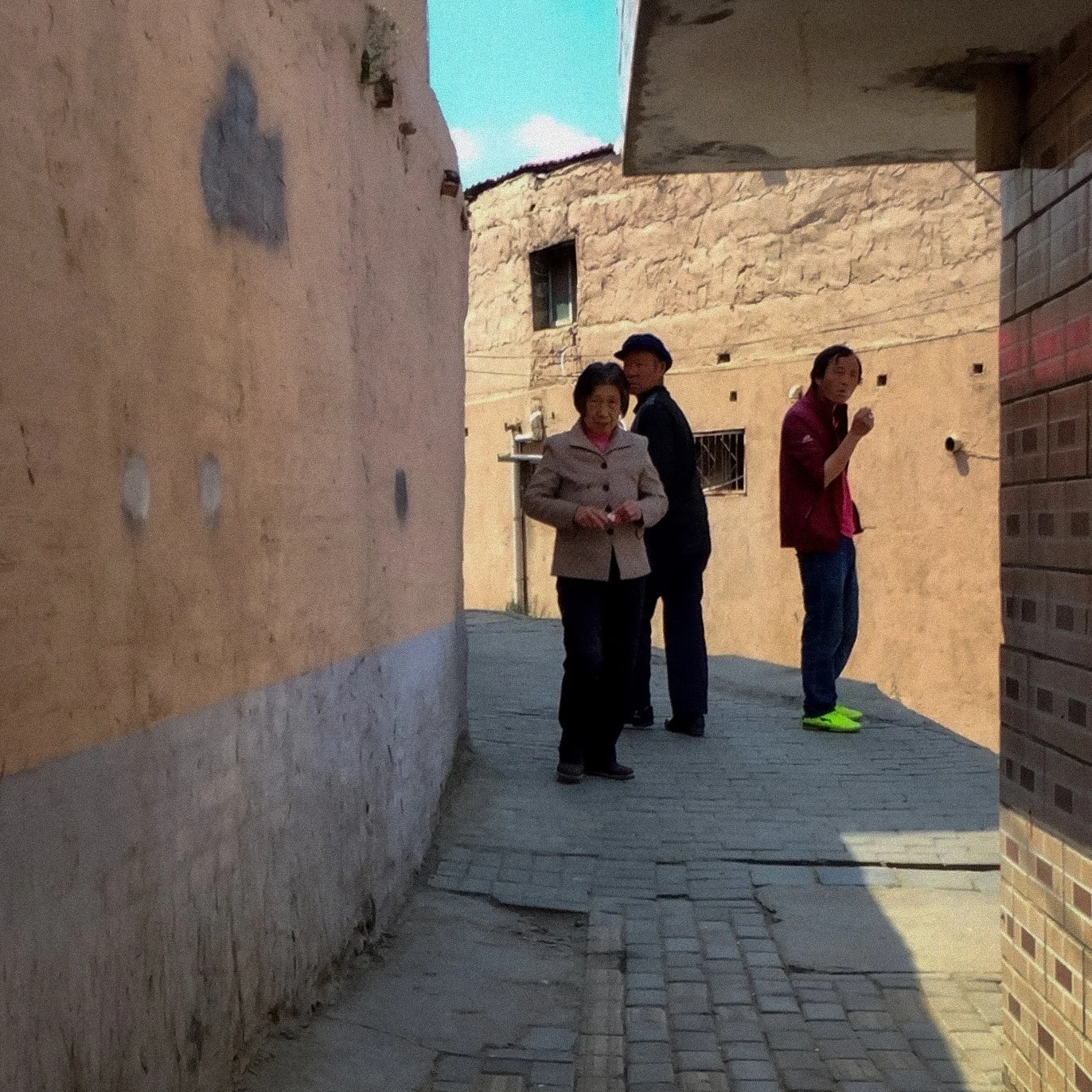
Lanzhou 2017
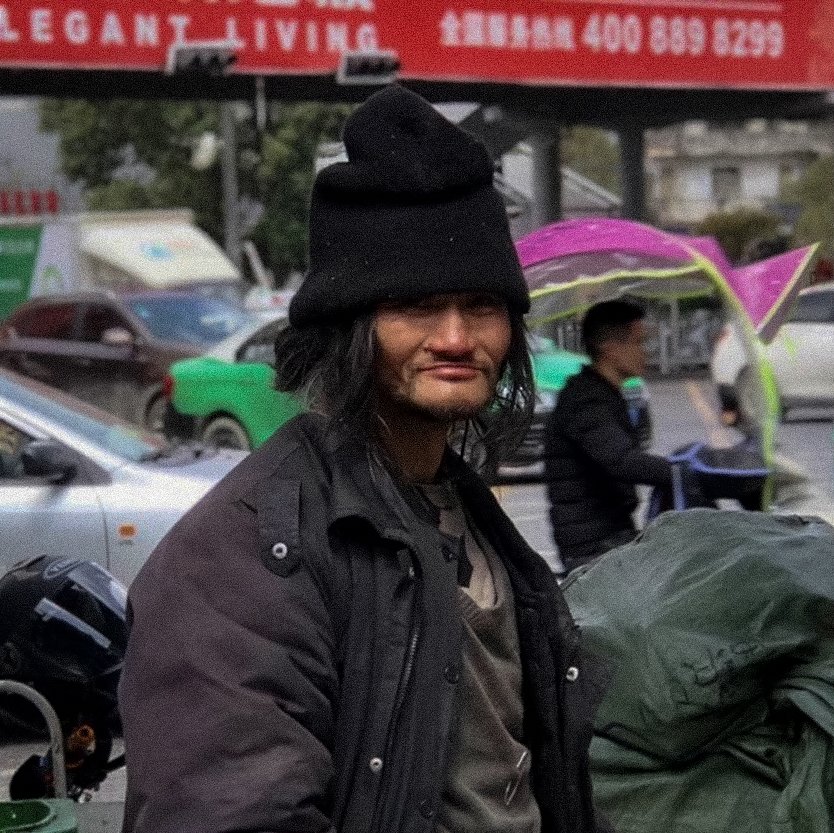
Guiyang 2018
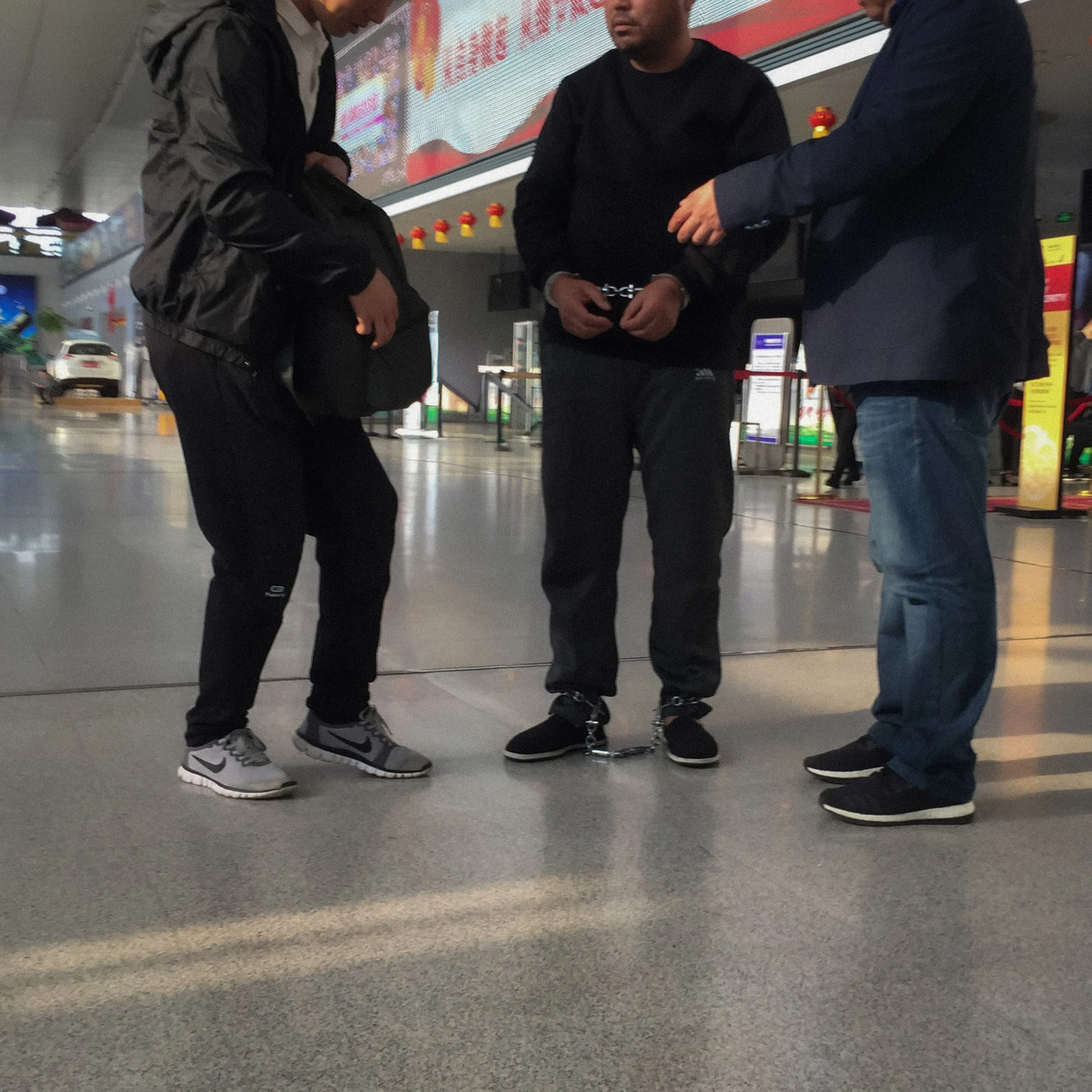
Linyi 2017
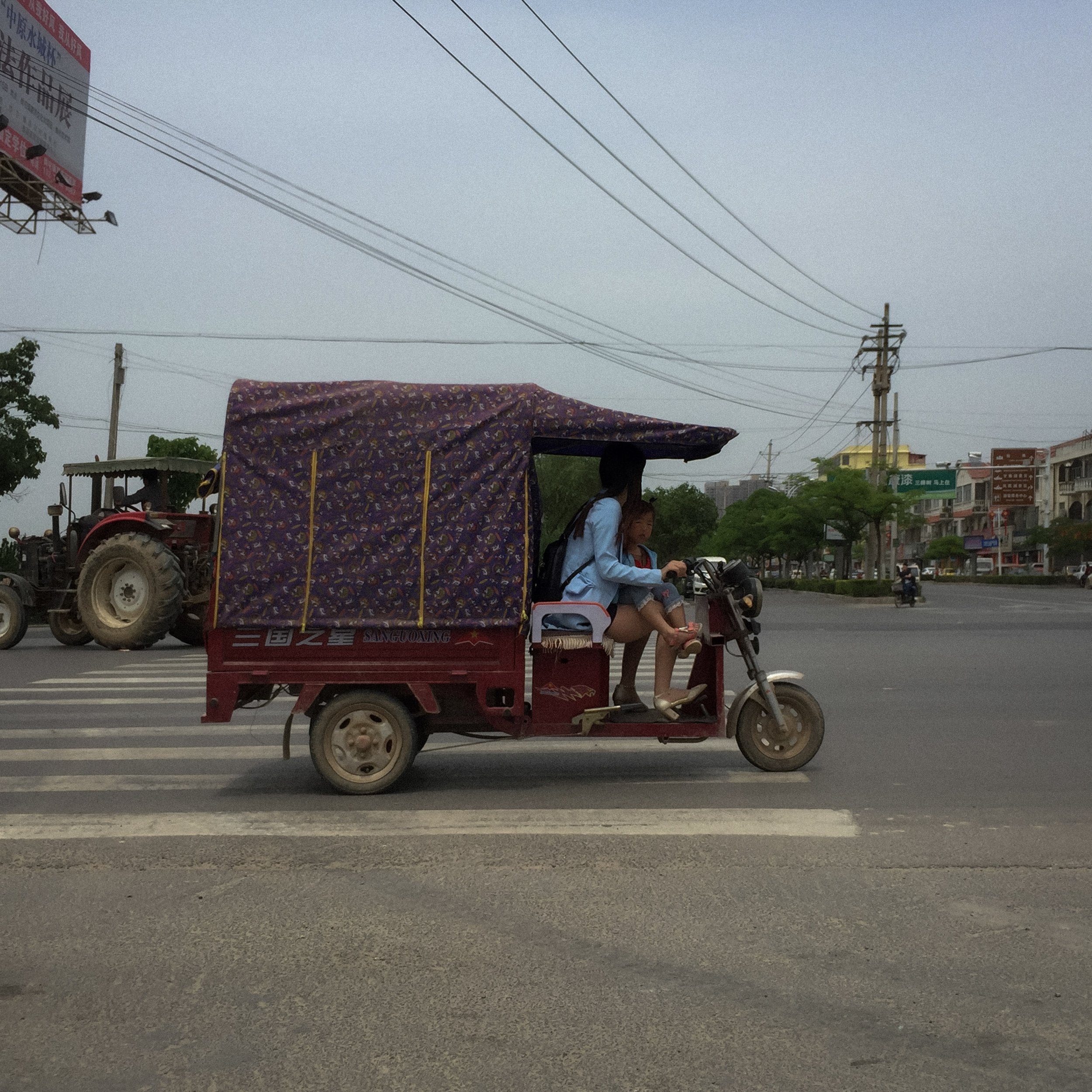
Shangqiu 2017
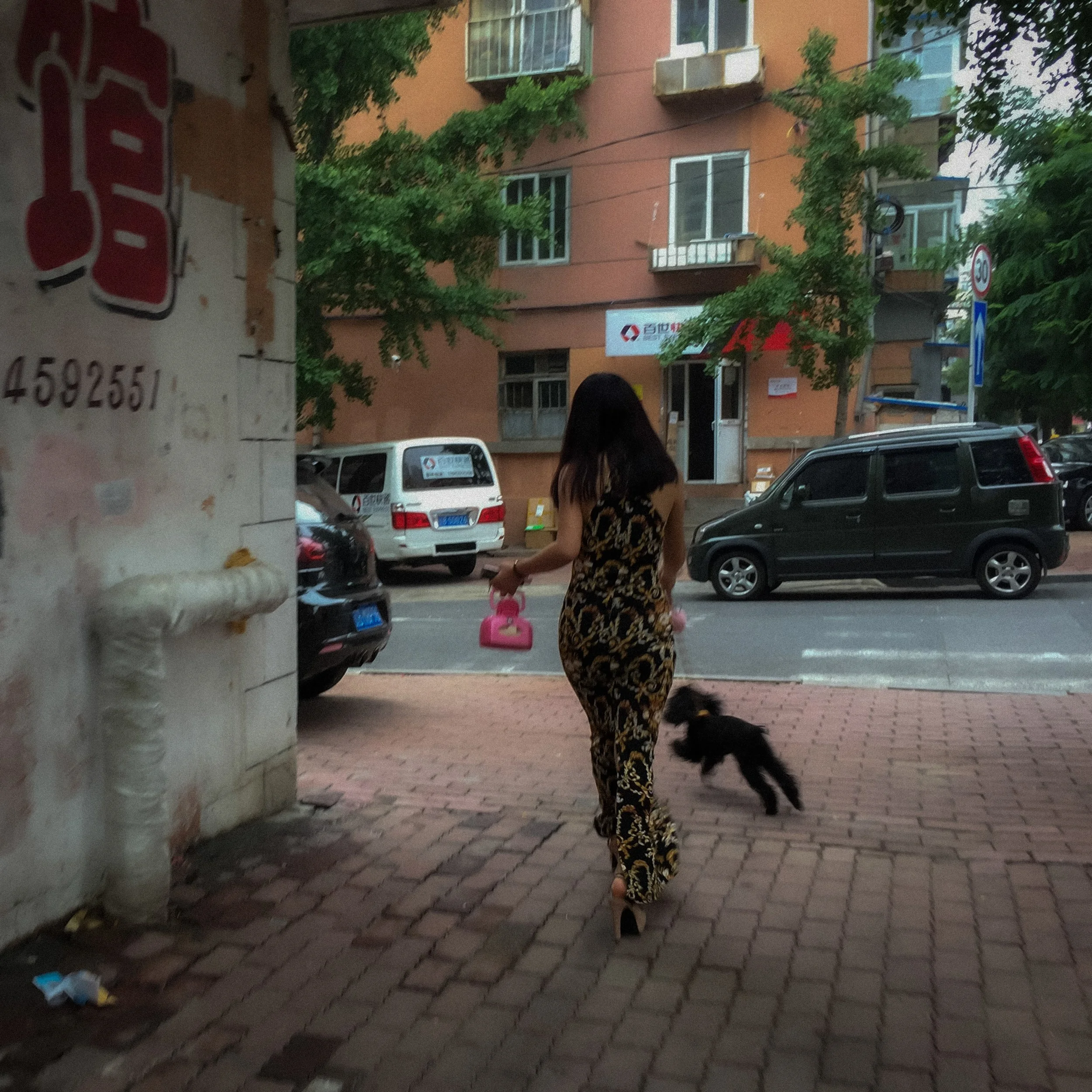
Dalian 2017
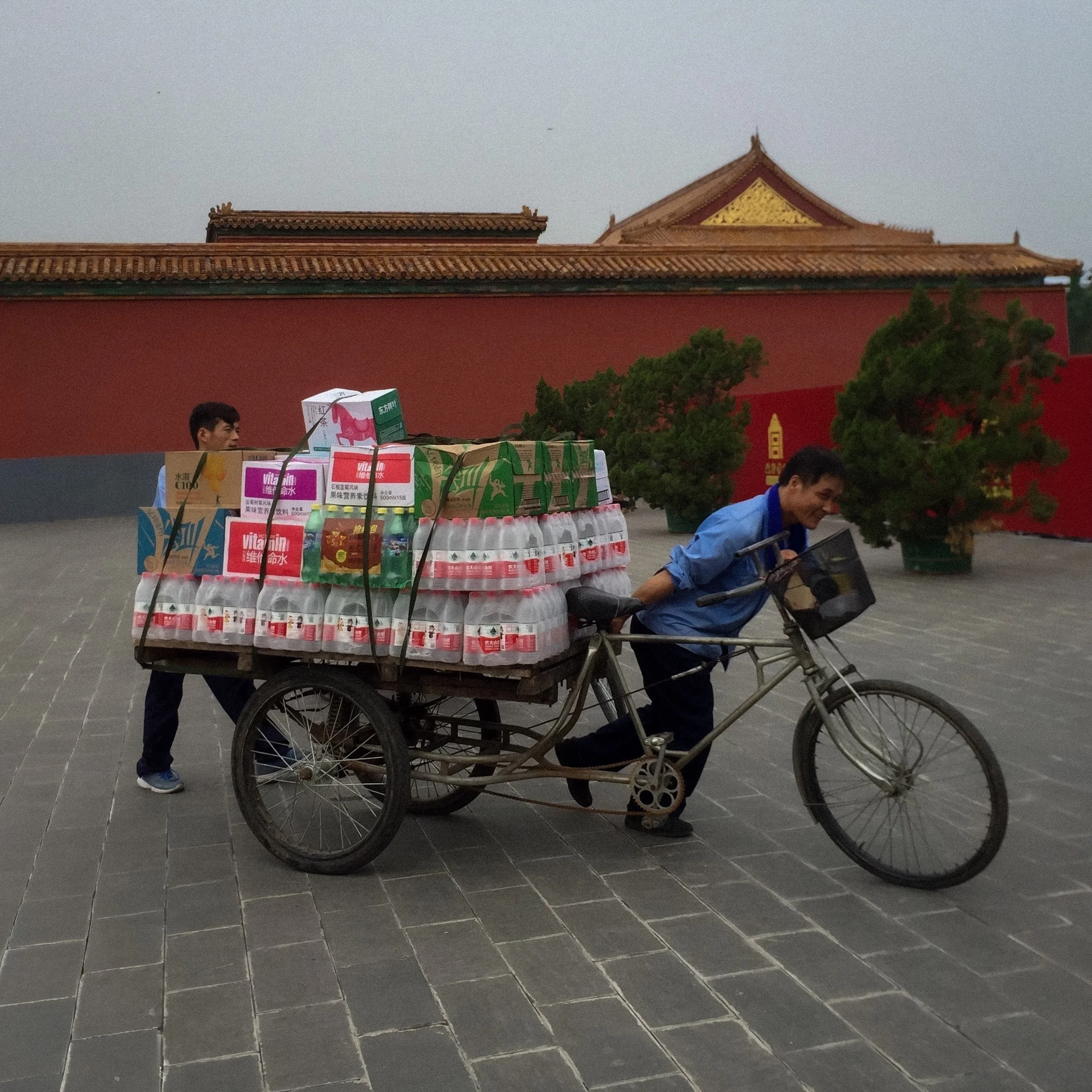
Beijing 2016
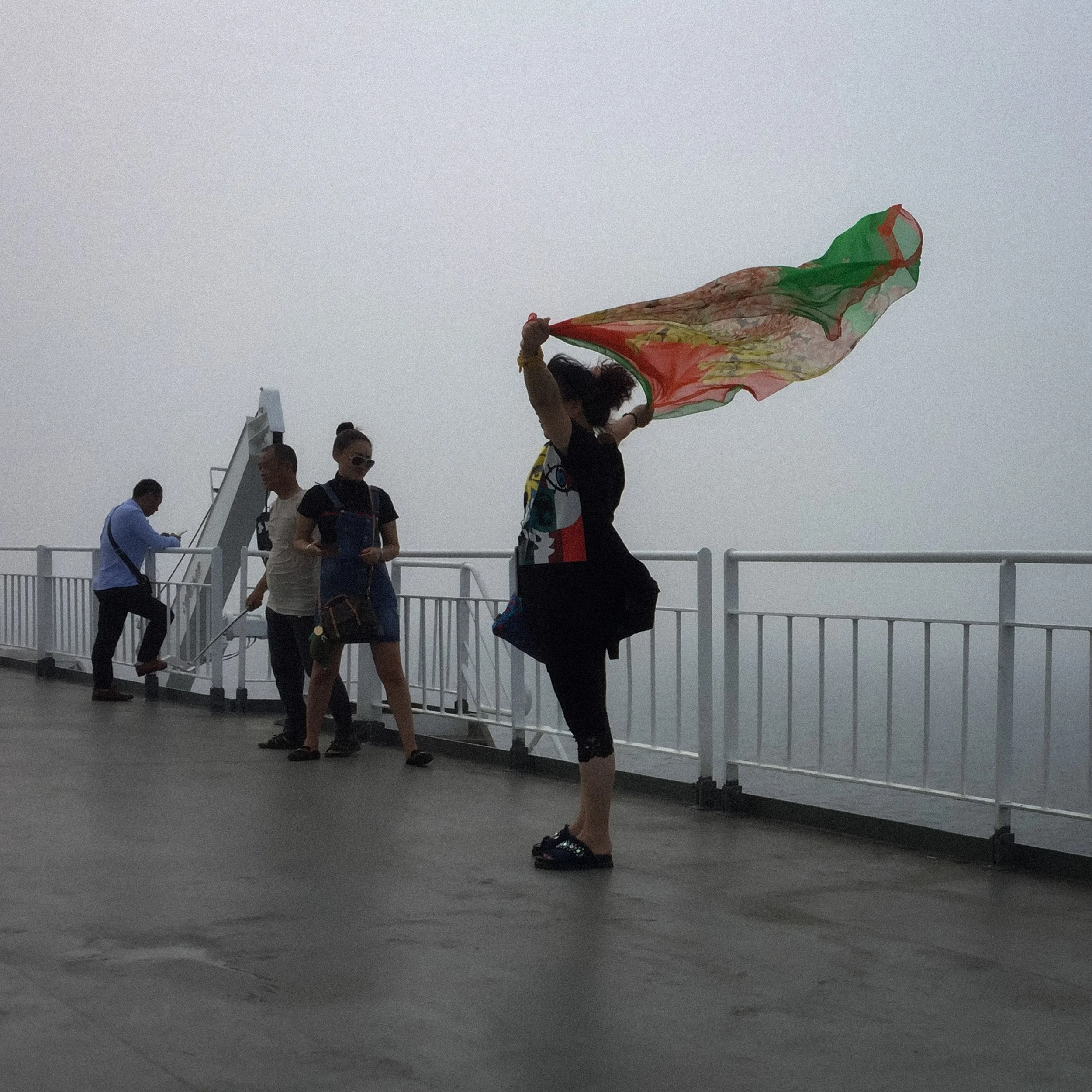
Yantai 2017

Linyi 2019
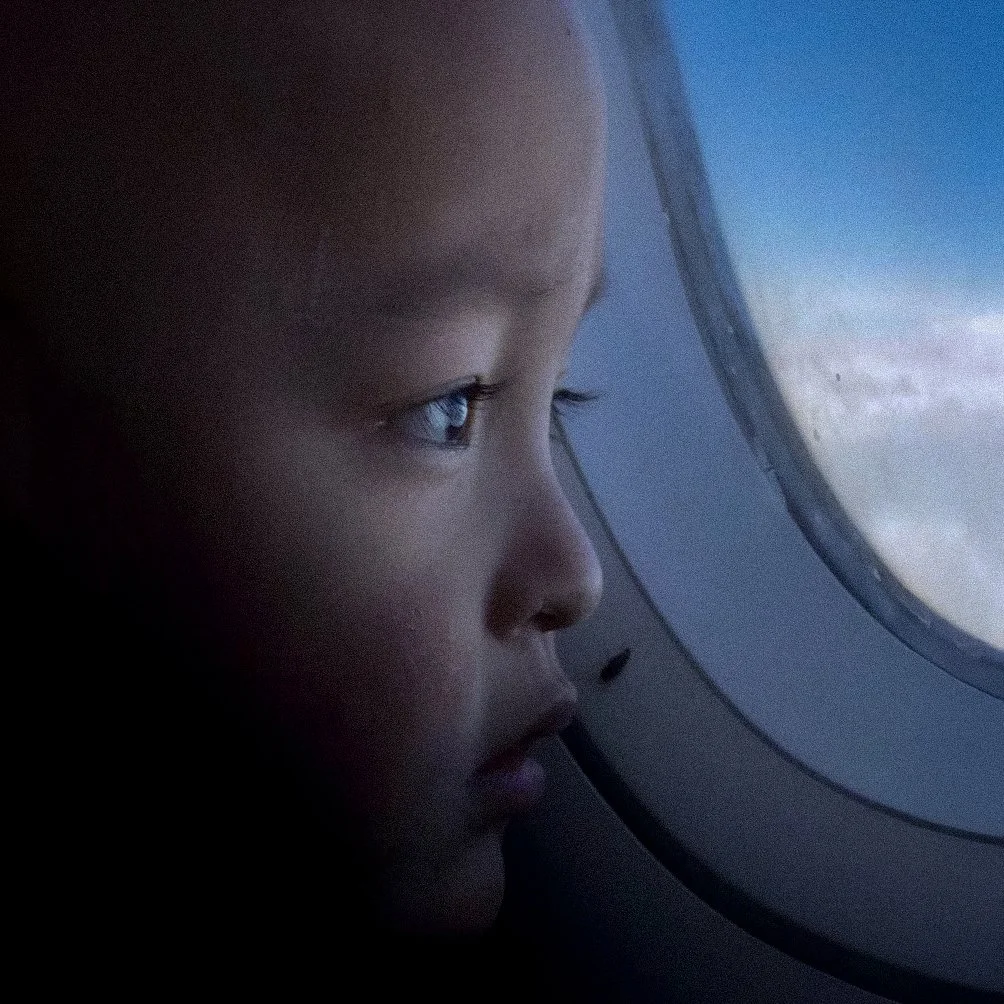
Chengdu 2018

Malé 2018
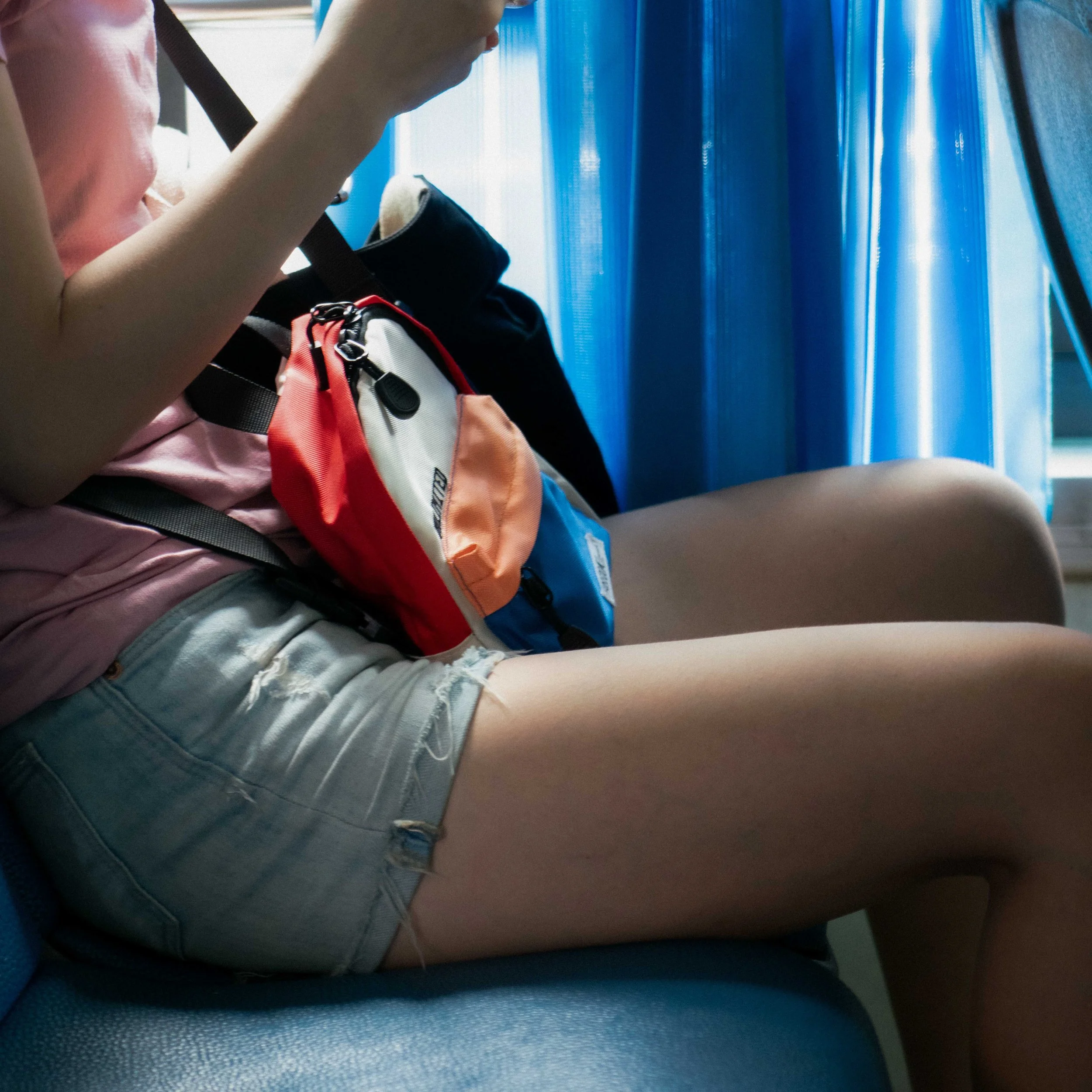
Wenzhou 2020
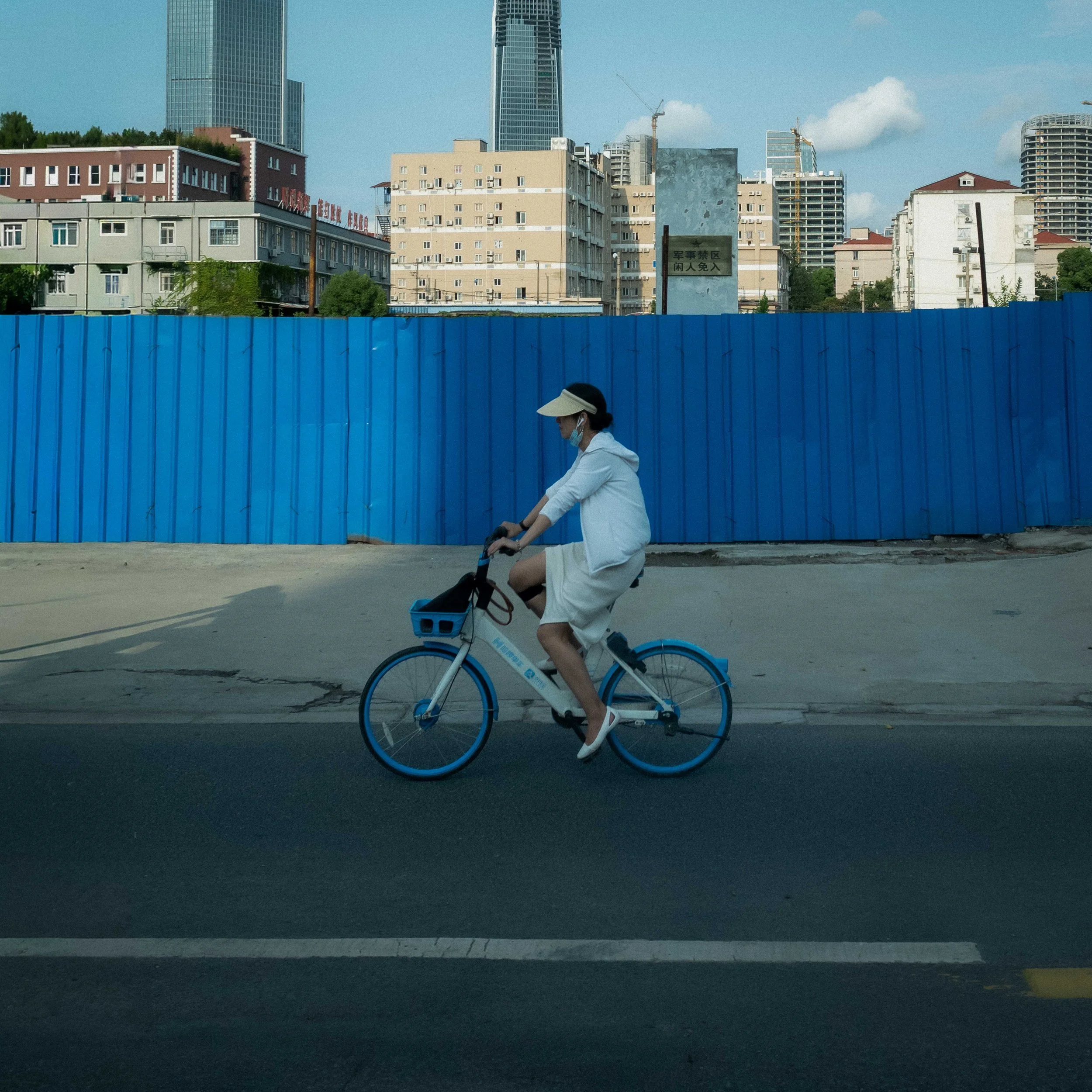
Shanghai 2020
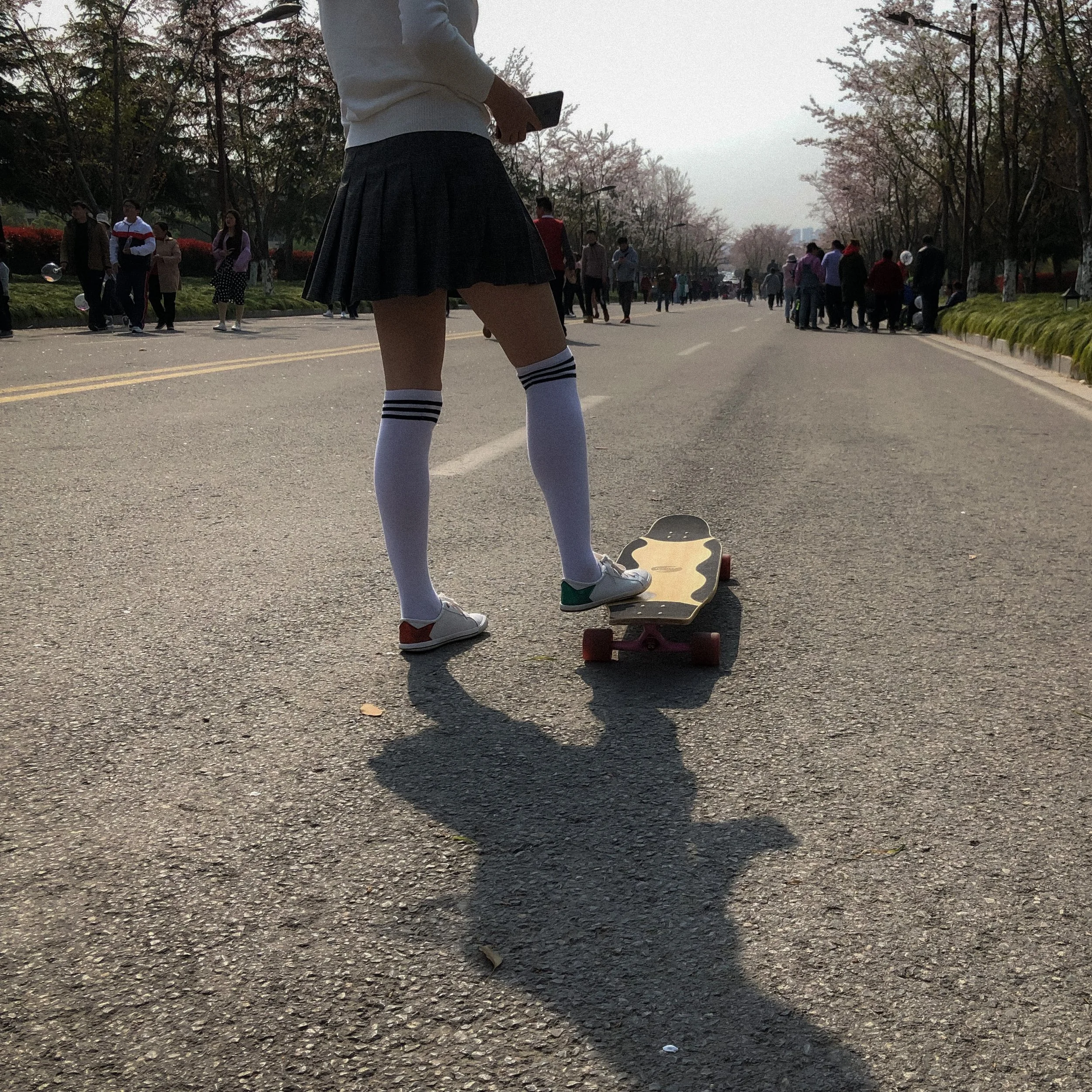
Yangzhou 2019
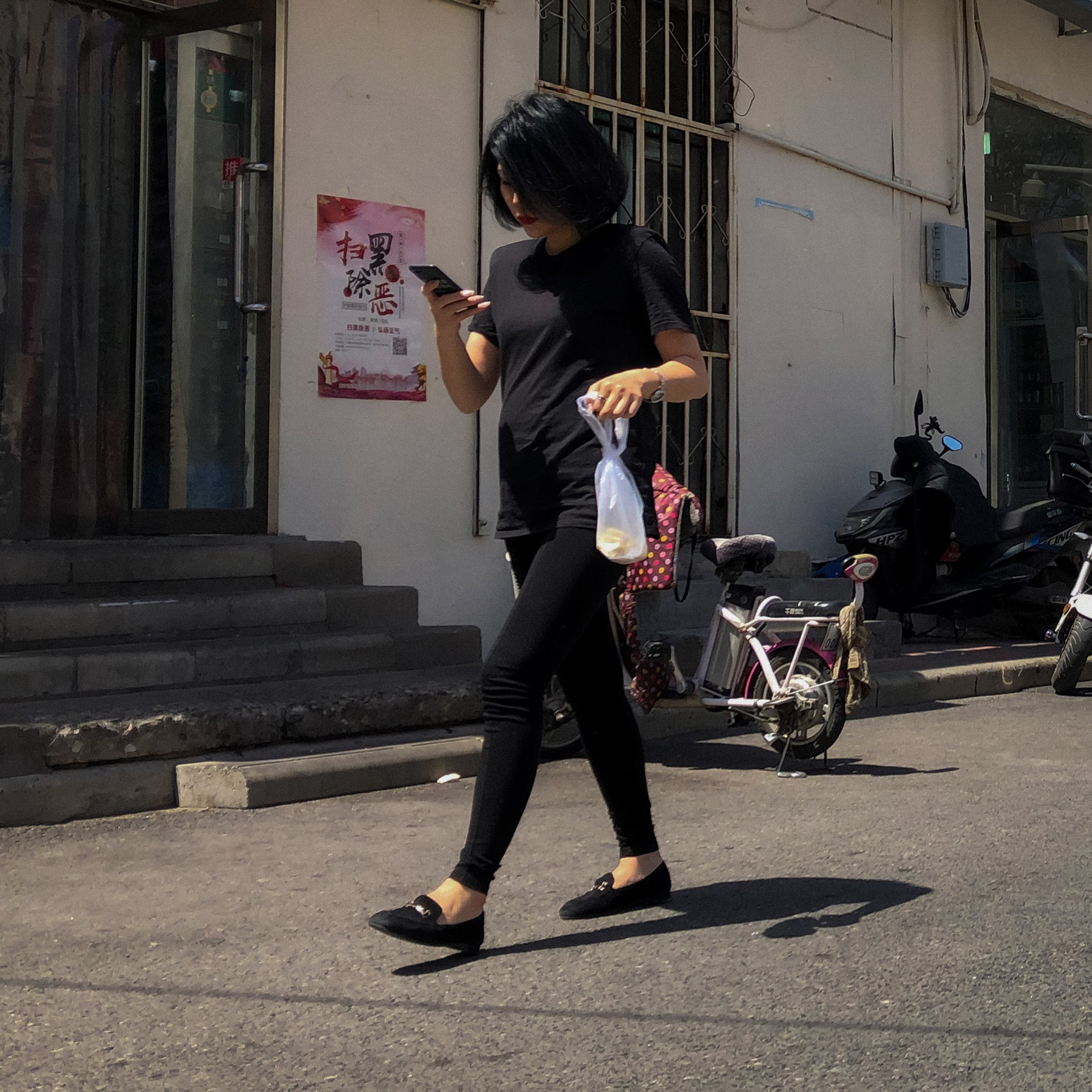
Tianjin 2019
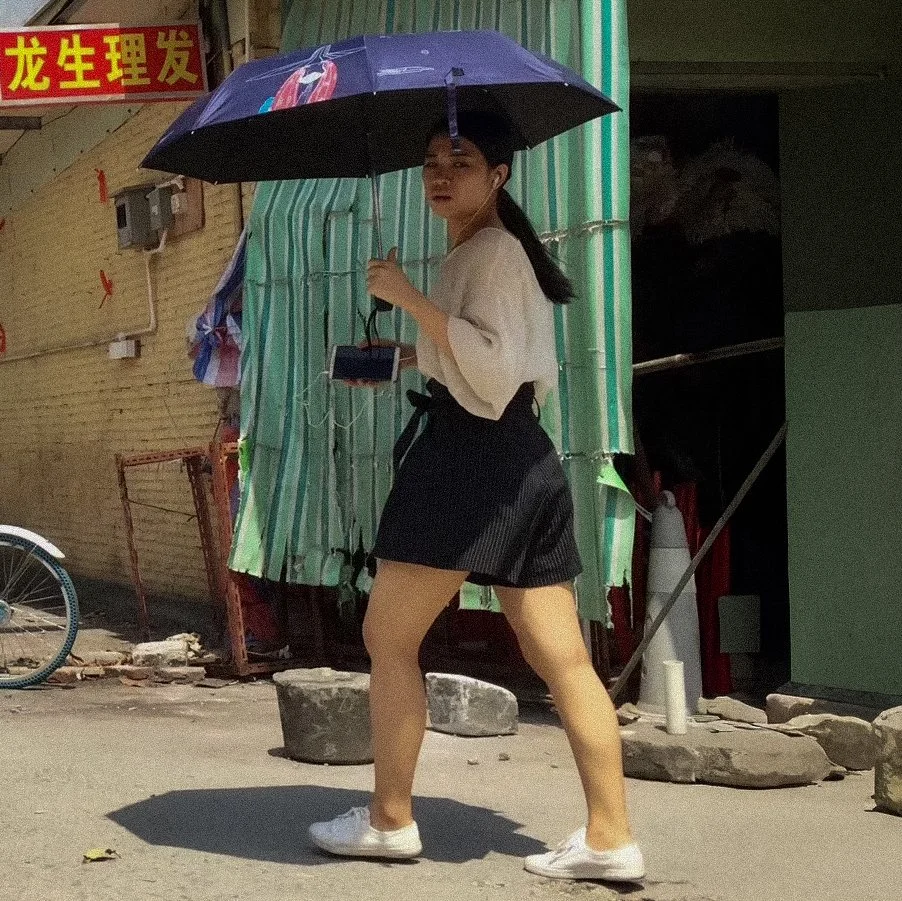
Dongguan 2017
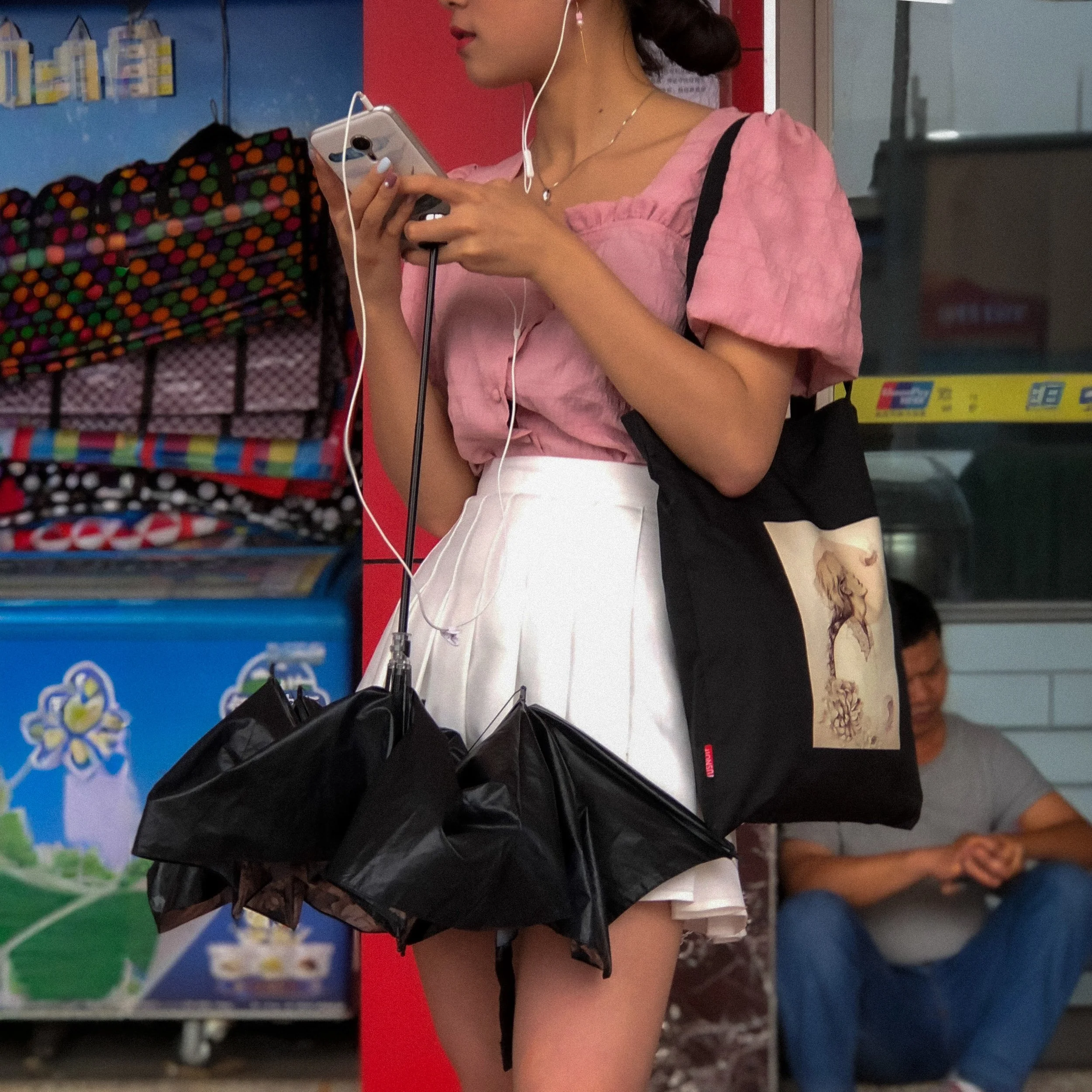
Changsha 2018
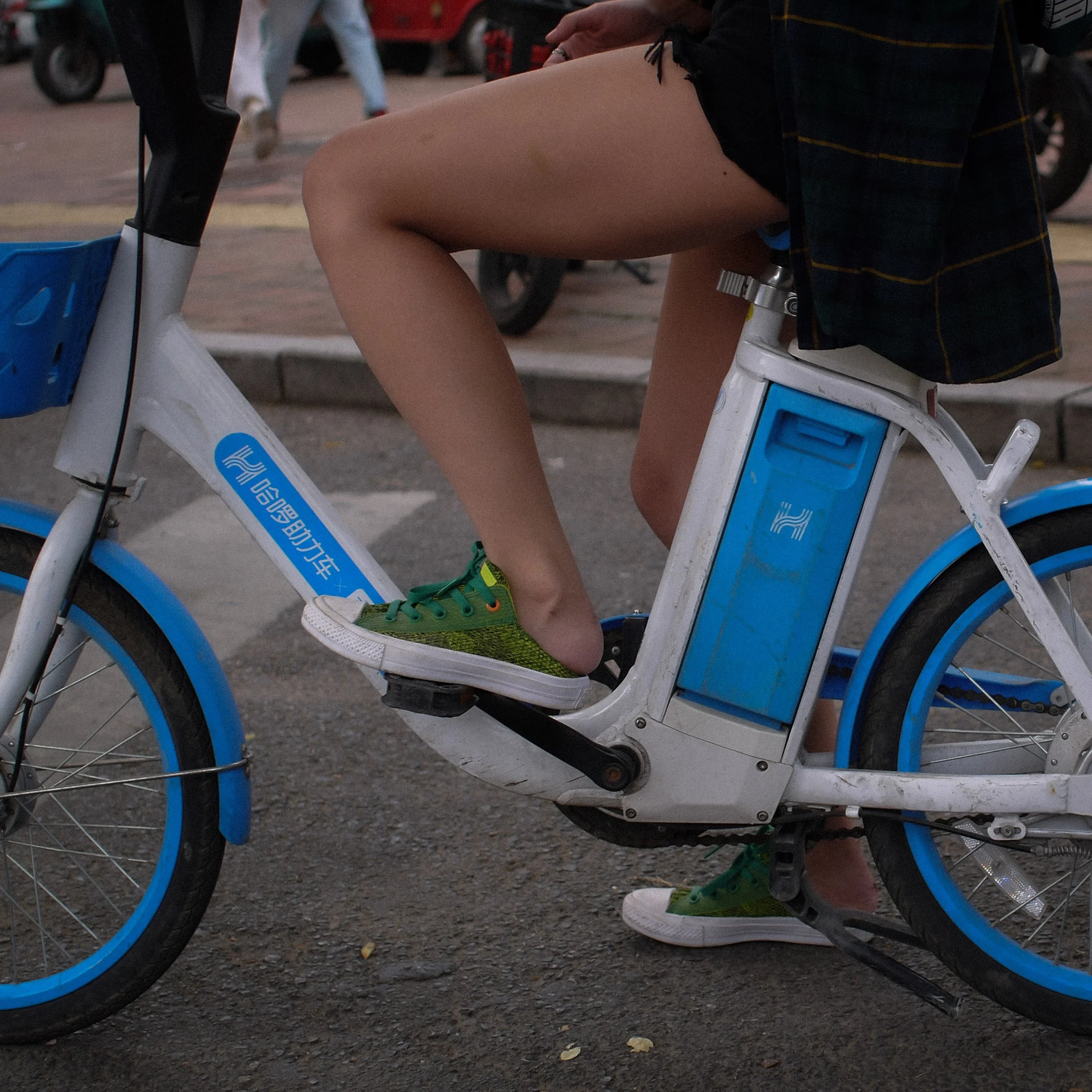
Linyi 2019
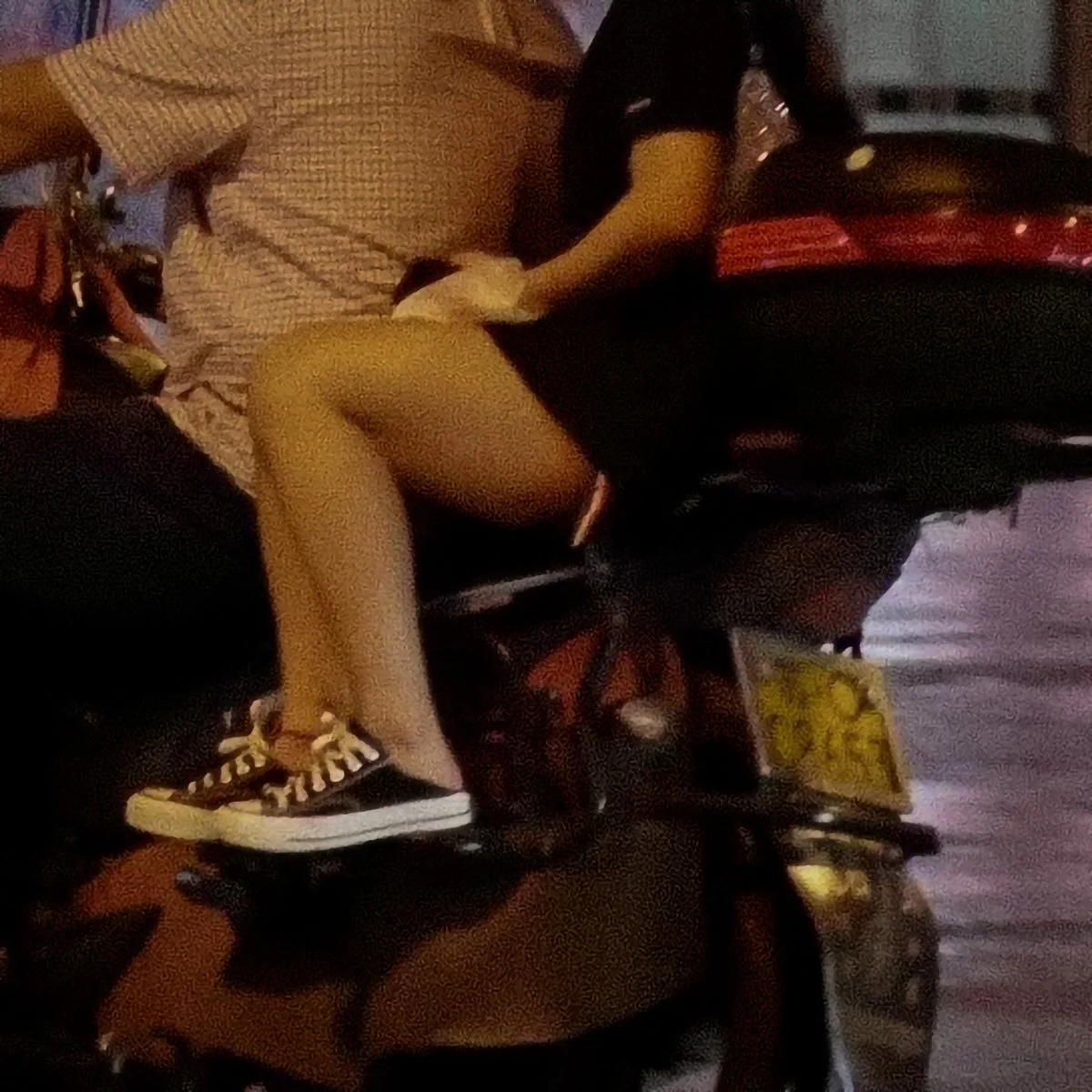
Shanghai 2020
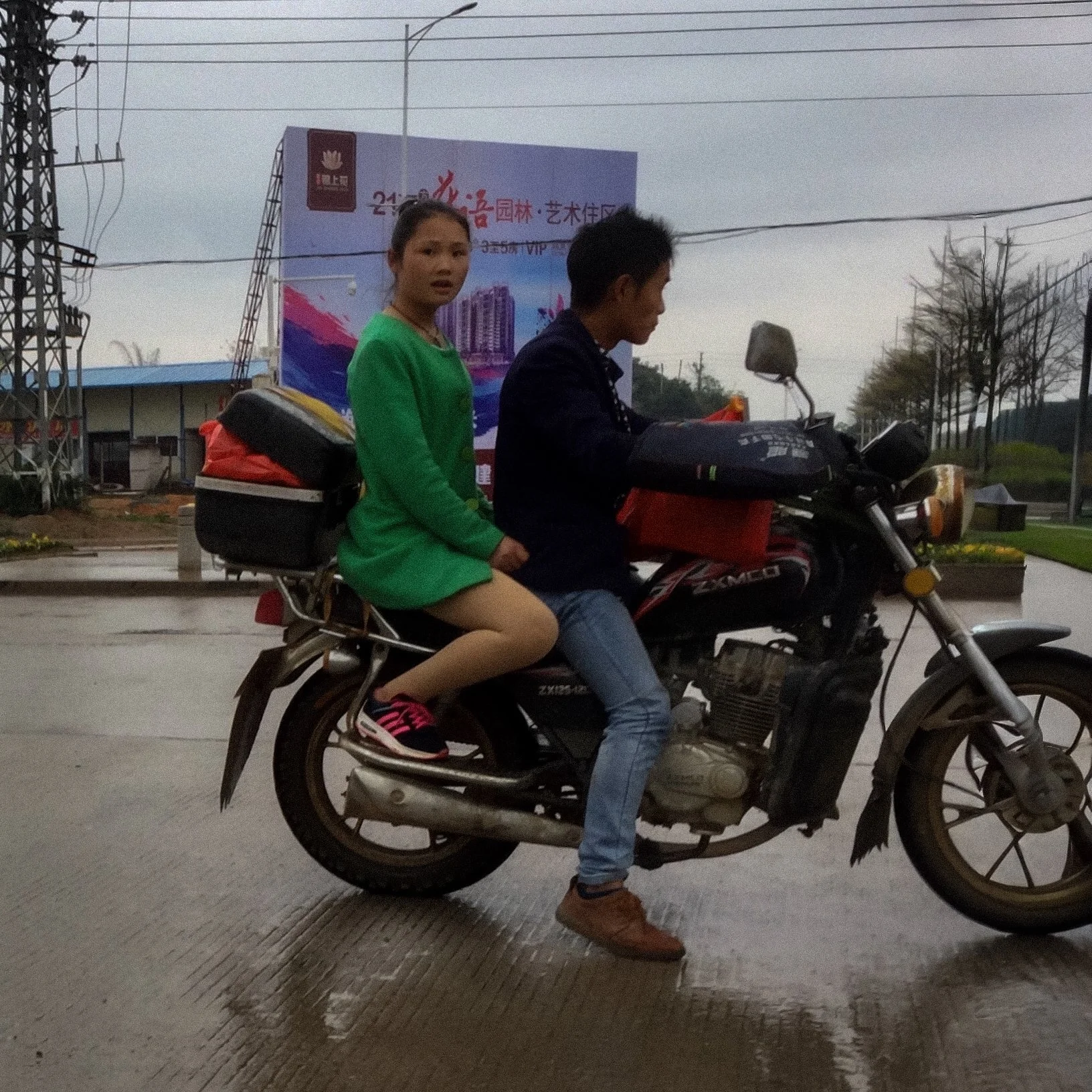
Heyuan 2017
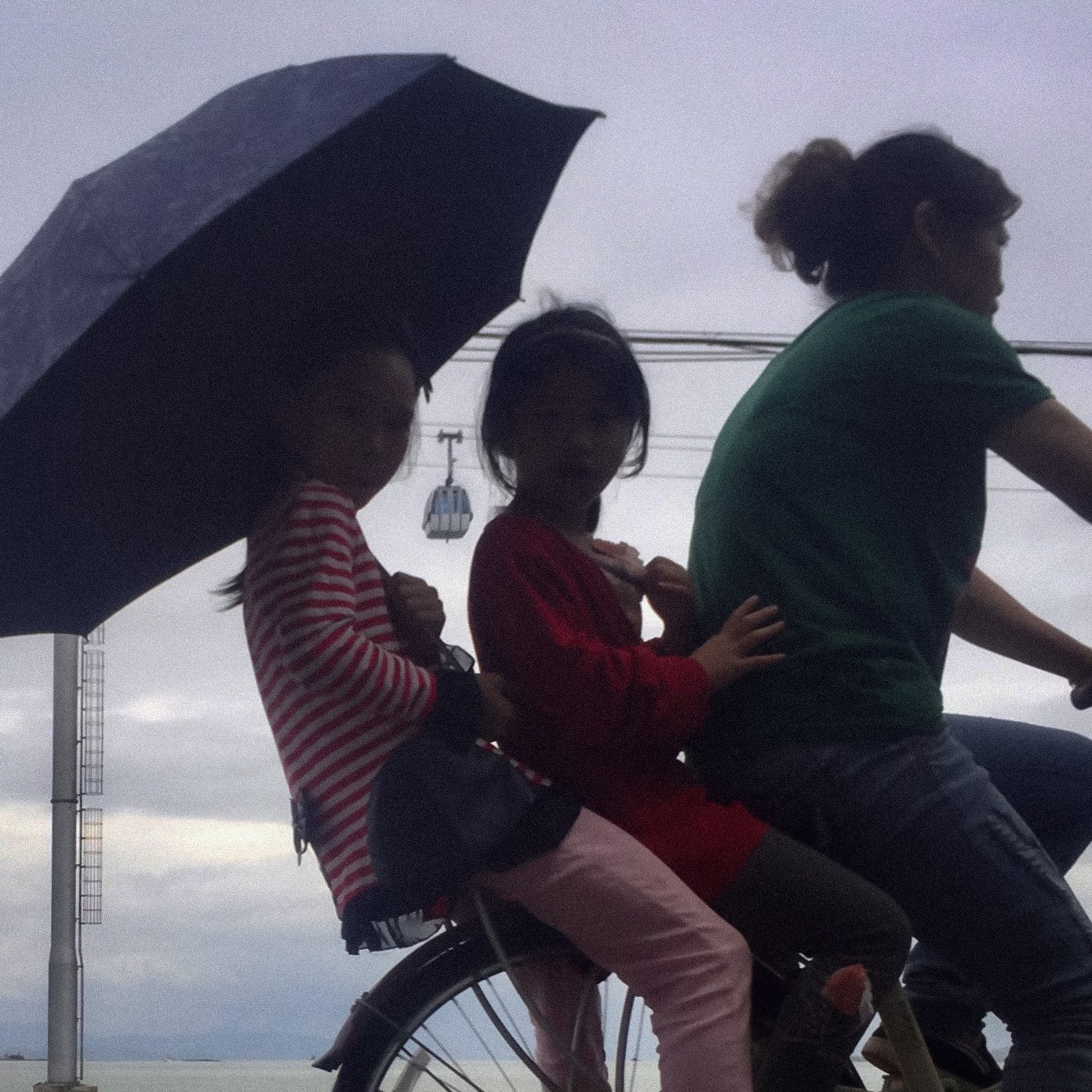
Kunming 2016
China’s urbanization over the past forty years is not only the story of rapidly changing cities, but also a long process of people constantly rebuilding their identities inside those changes. Whether in villages or megacities, people on the street always reveal something about their relationship with the time they are living in.
Every portrait becomes a small mirror reflecting both society and the individual at once.
Photography itself has also changed dramatically. What once belonged mostly to professional cameras is now part of everyday life through smartphones. My own way of photographing also began during this period of mobile-phone photography. A photograph only takes 0.01 seconds to capture someone’s posture, mood, body language, exhaustion, confidence, loneliness, or emotional state.
In 2021, we are still on the move. And there will always be more people worth photographing.
All photographs and original Chinese text by Cai Zhenxing. English adaptation prepared for portfolio and website presentation.