Drawn Intervention
Photography sometimes feels too limited for what I want to express, so I keep intervening in the images.
Honestly, this is something I could do forever if I were left alone long enough.
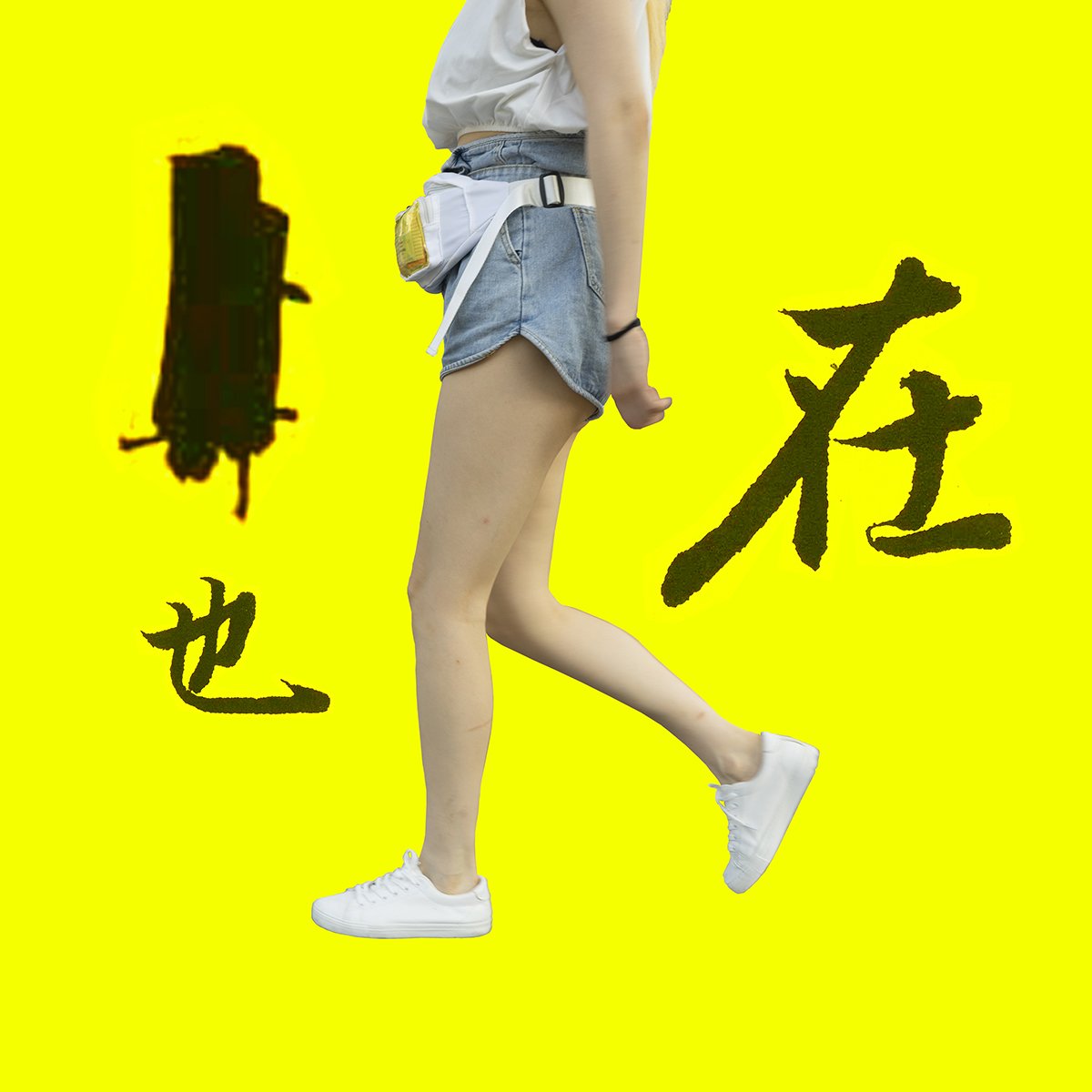
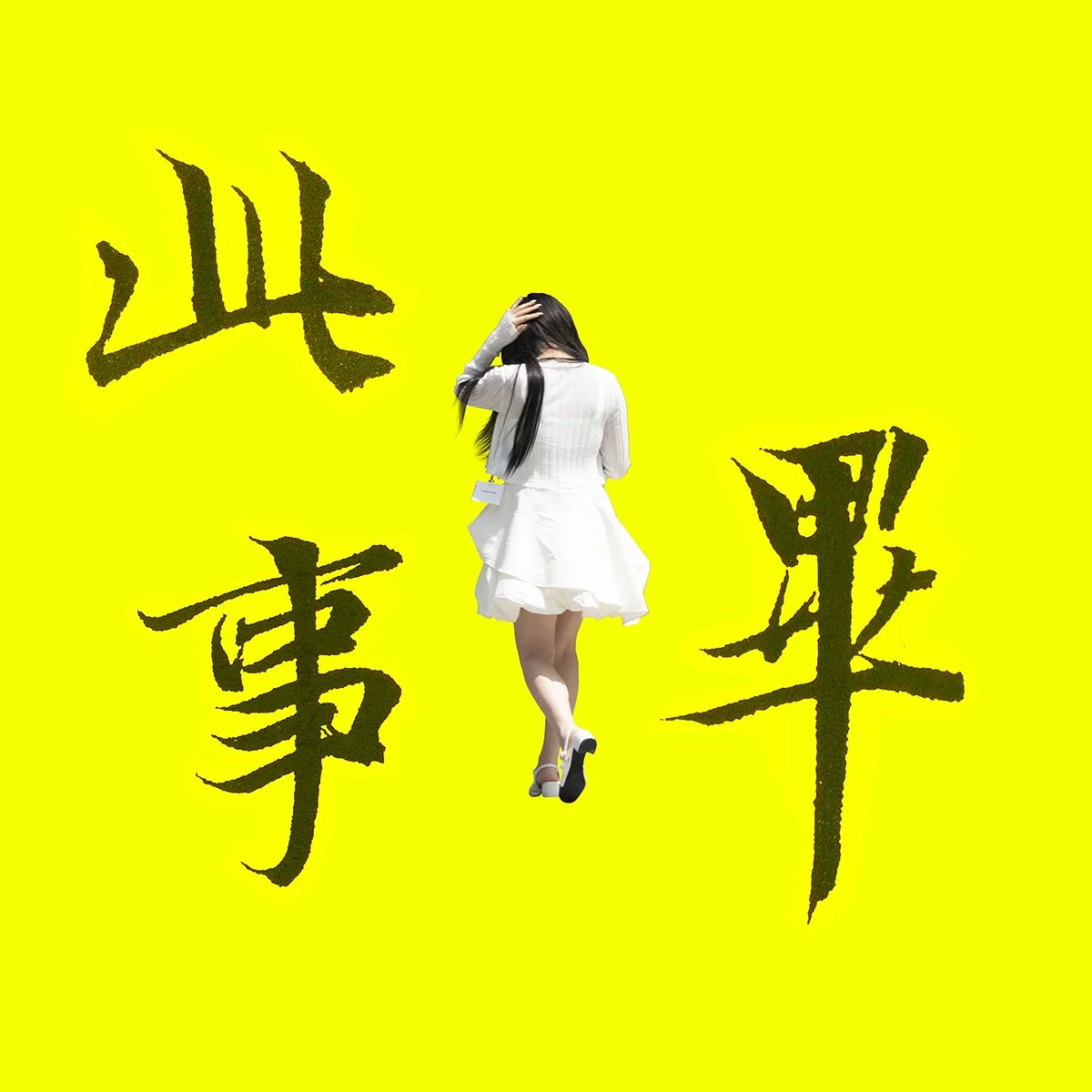
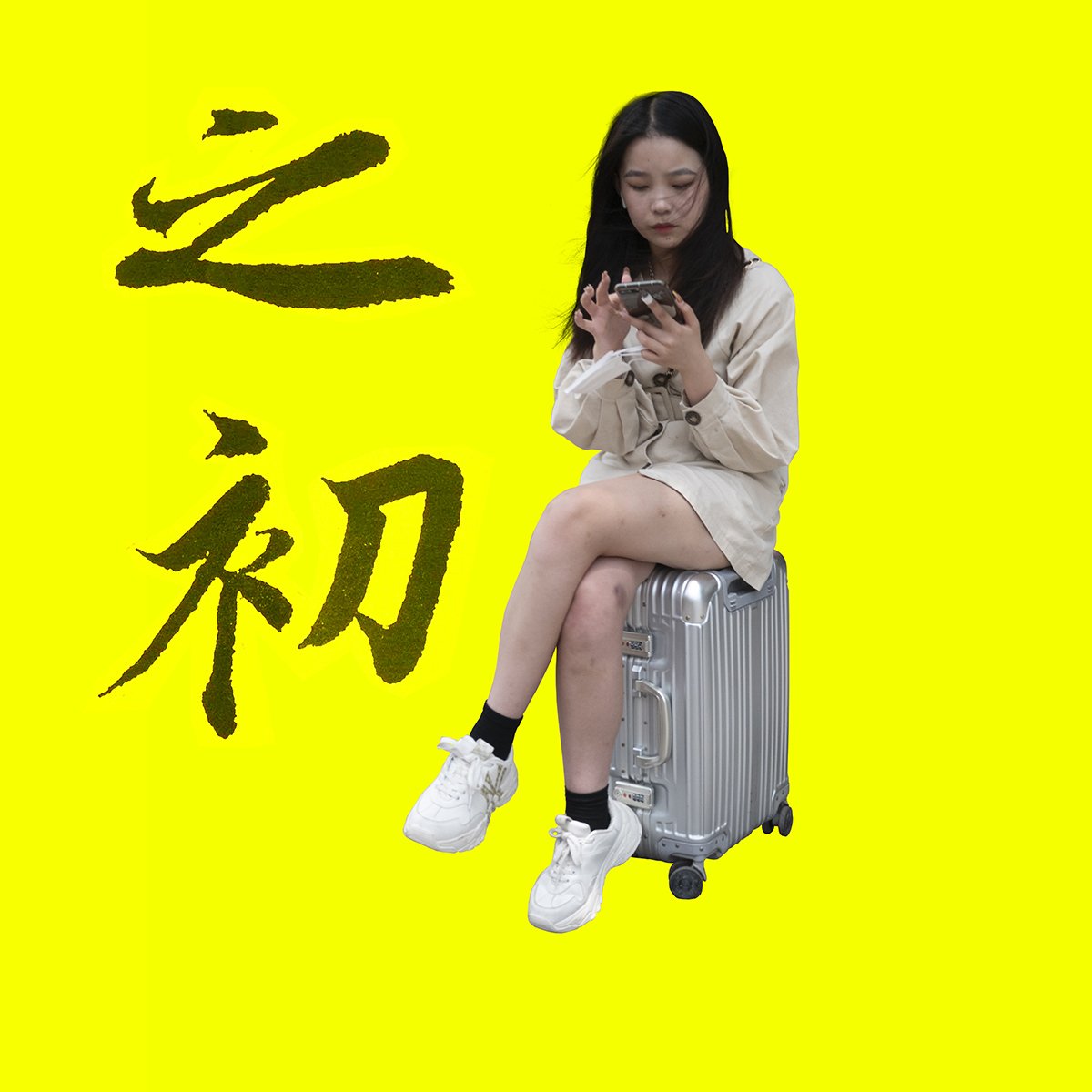
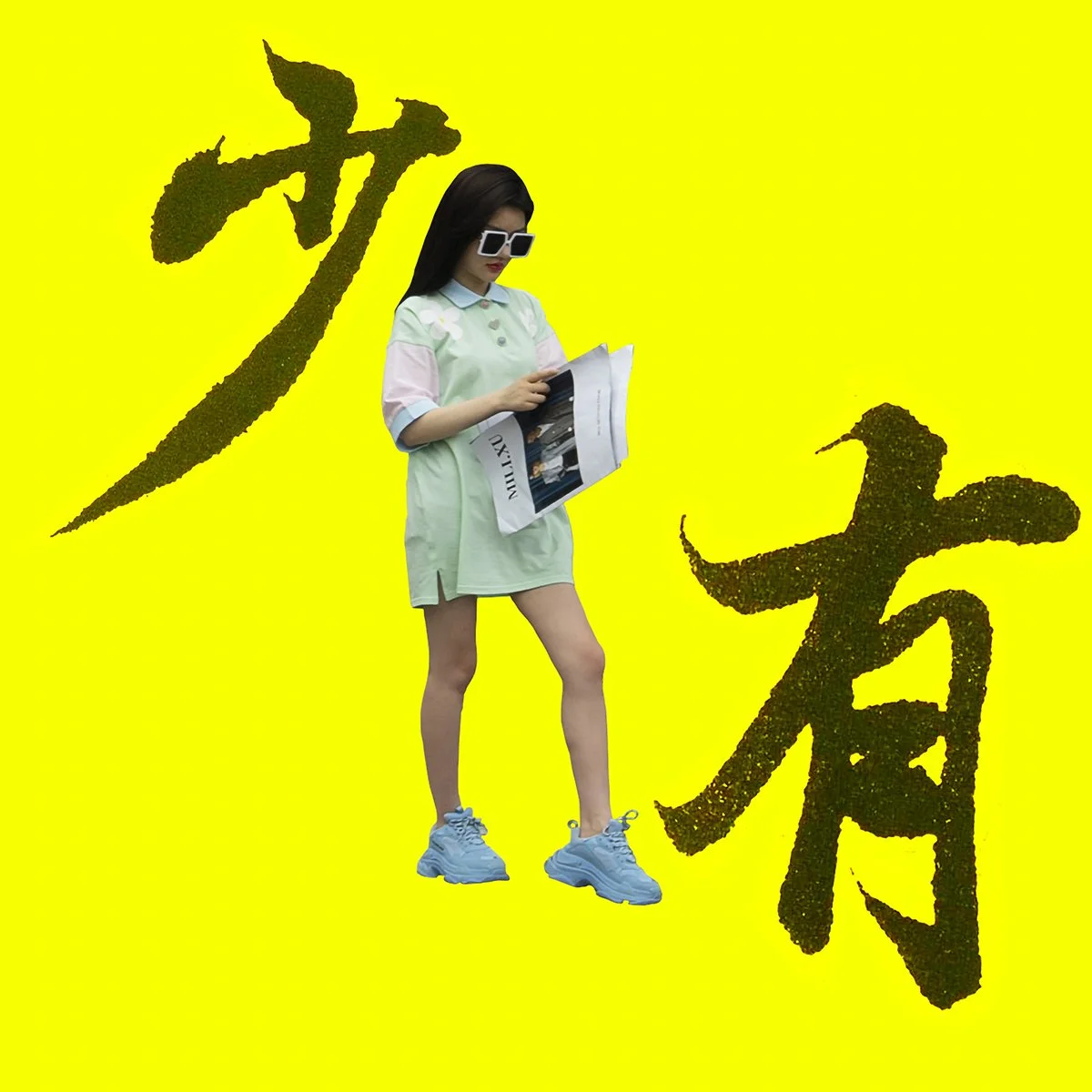
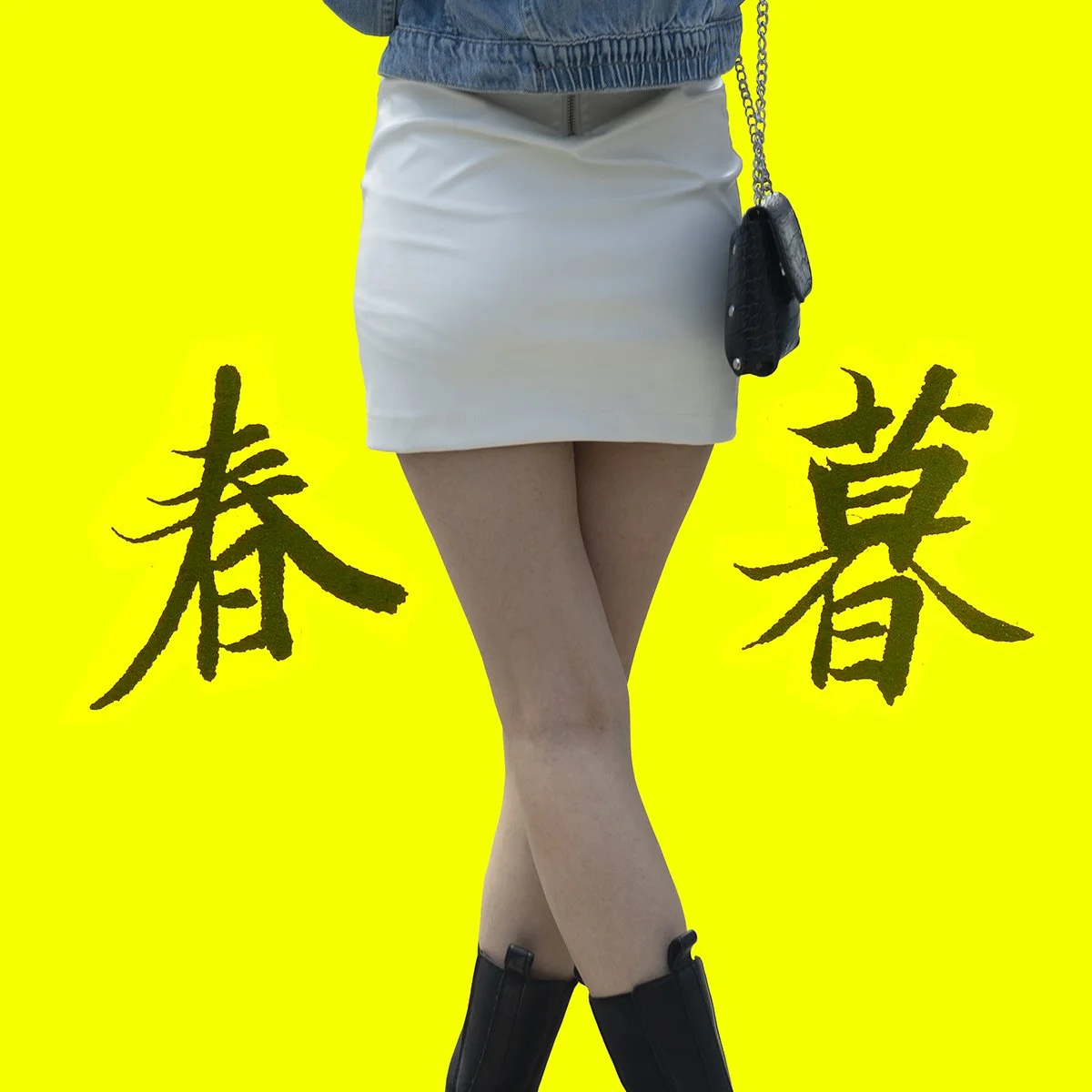
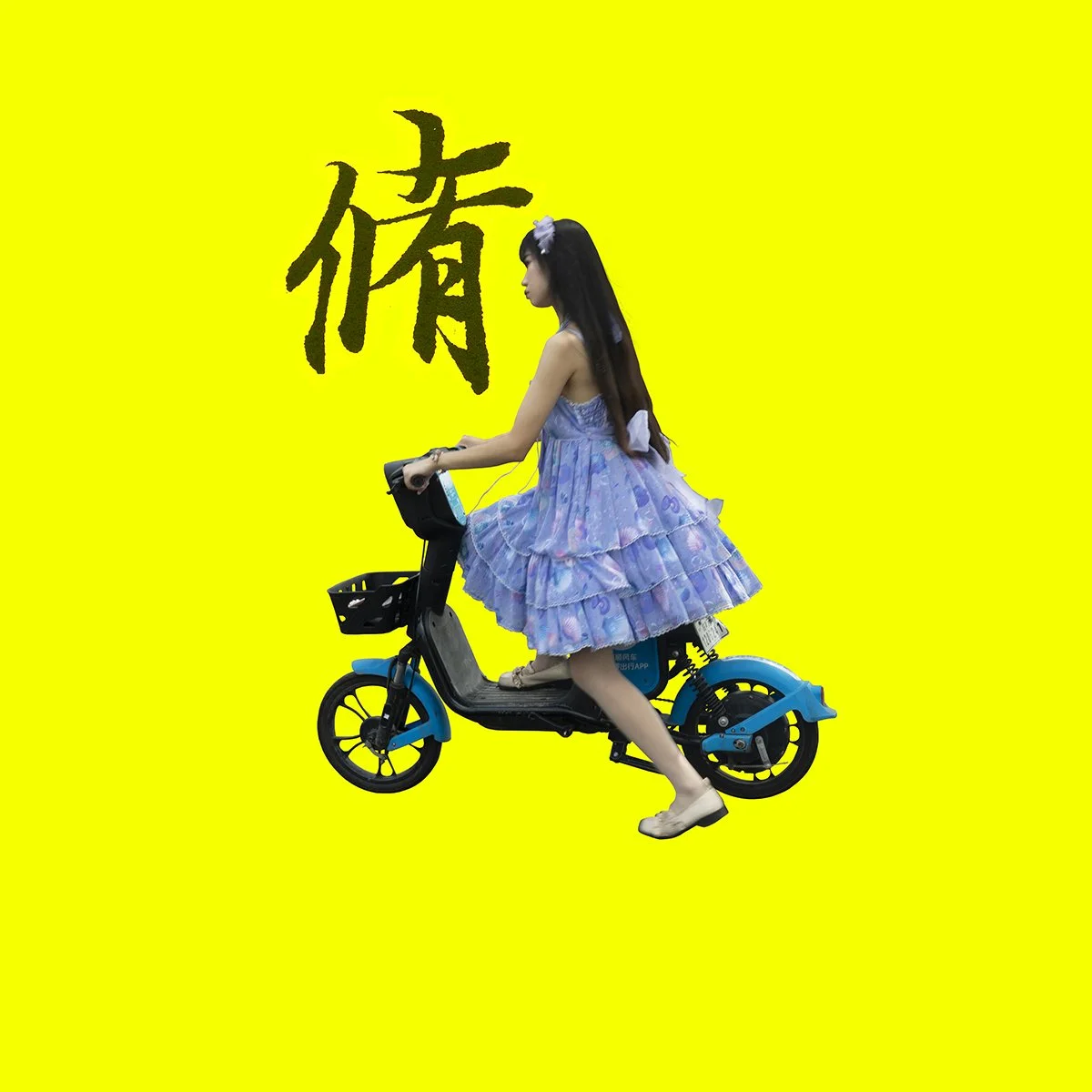
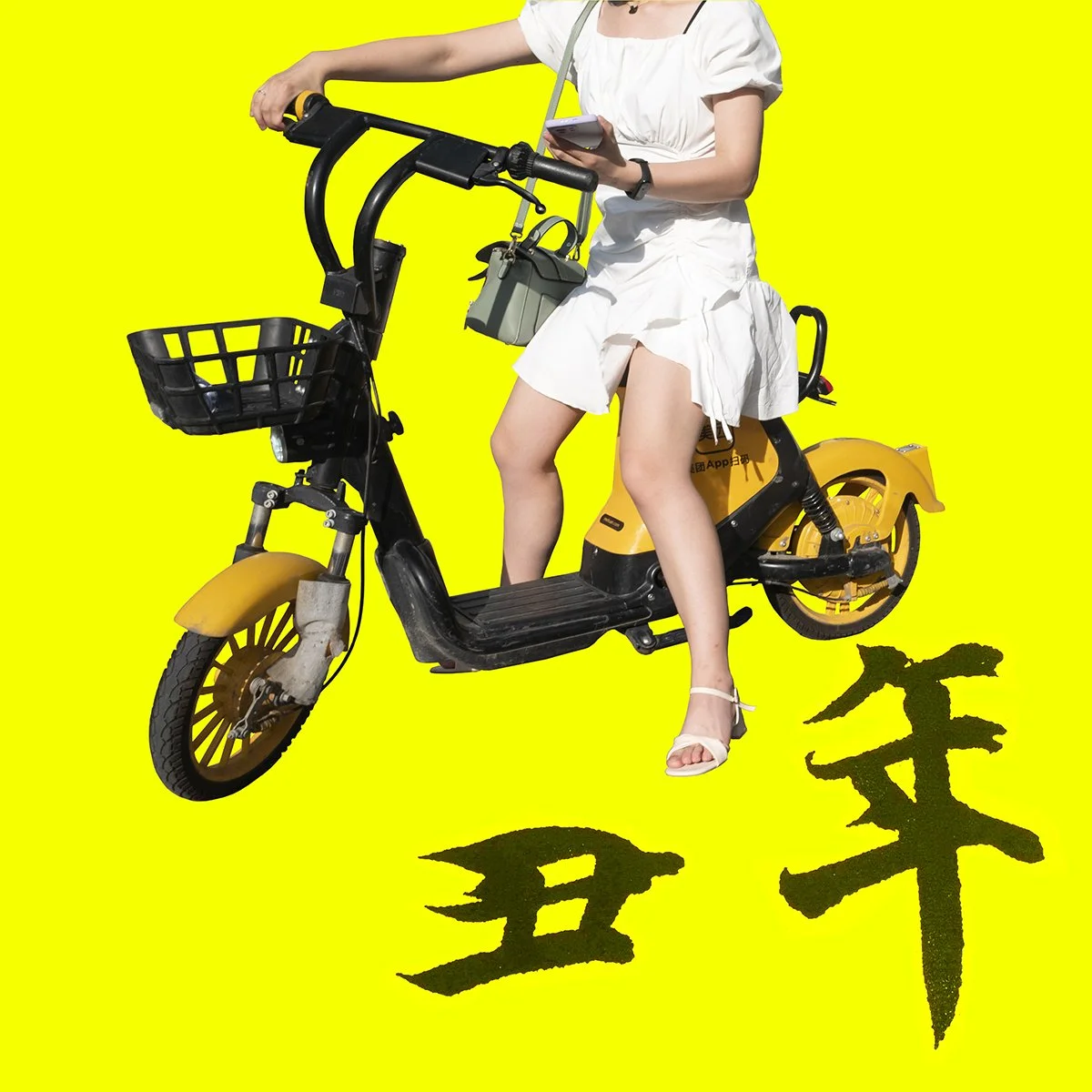
Too Many Characters, Linyi
This series combines street photography in Linyi with fragments of calligraphy taken from Lantingji Xu by Wang Xizhi.
I grew up living next to Wang Xizhi’s former residence, but I have always felt a huge gap between traditional calligraphy and today’s visual culture.
Since 2021, I became interested in placing classical Chinese calligraphy inside a fragmented visual environment shaped by scrolling, advertising and social media aesthetics.
Many people no longer read long texts anymore. Sometimes only two or three characters remain.
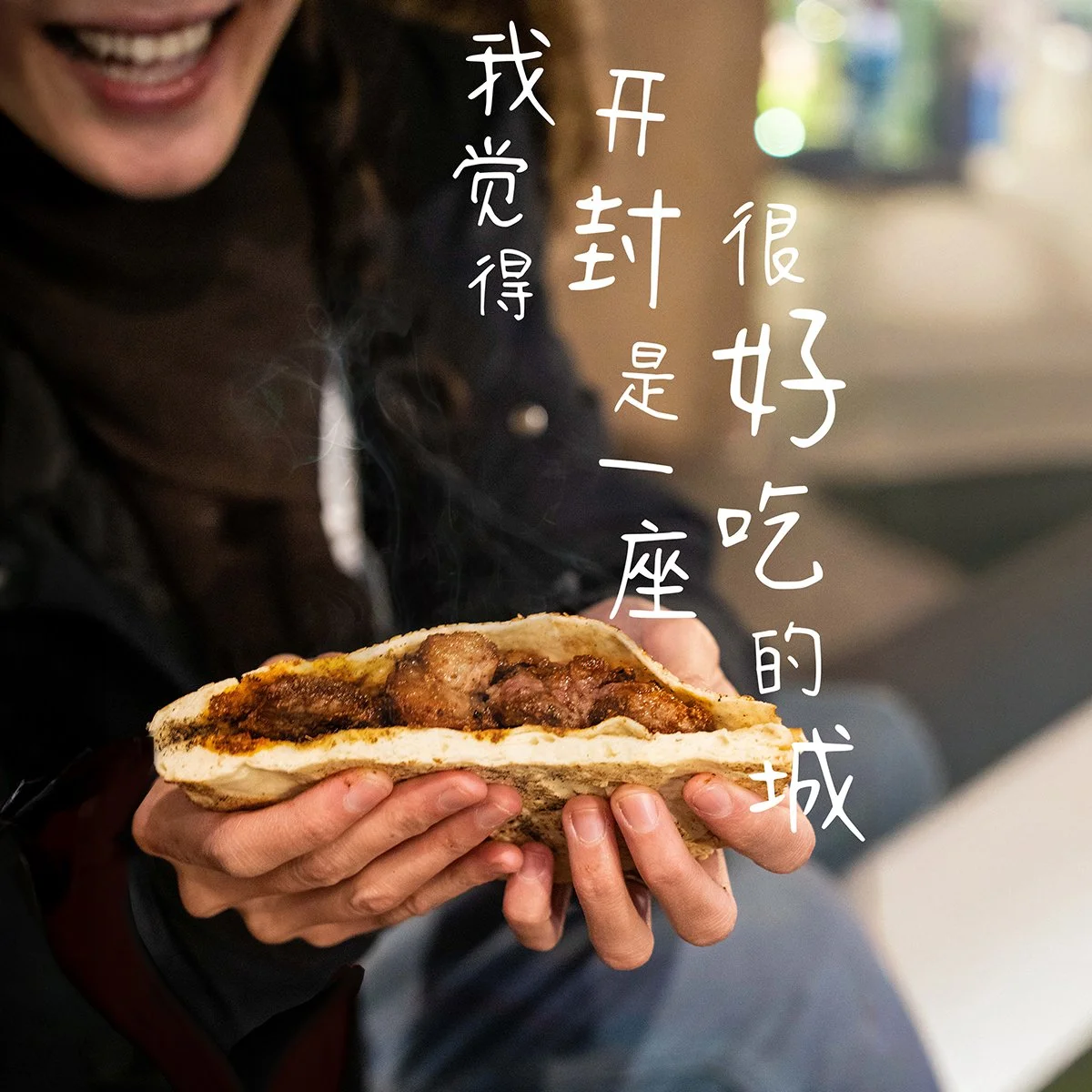
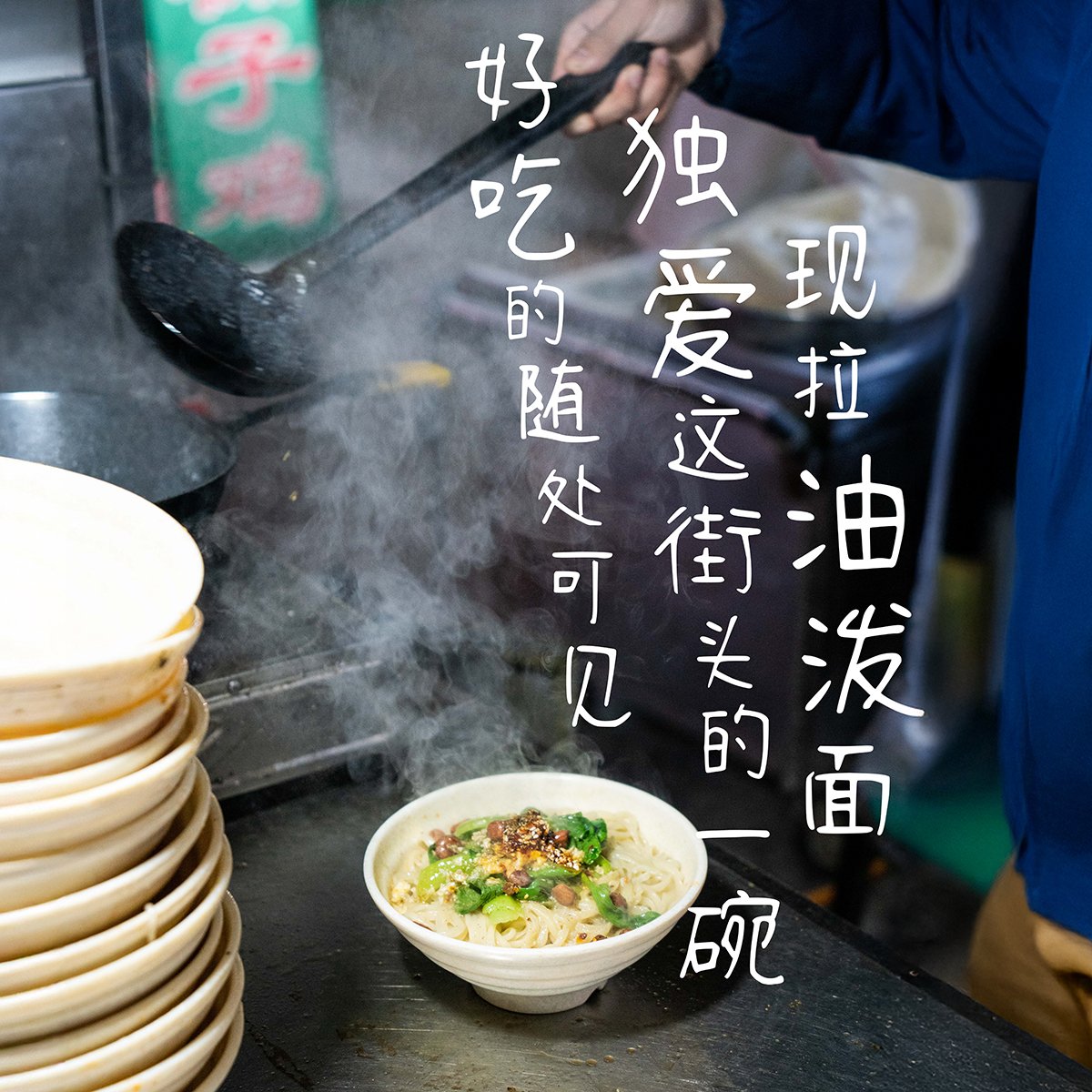
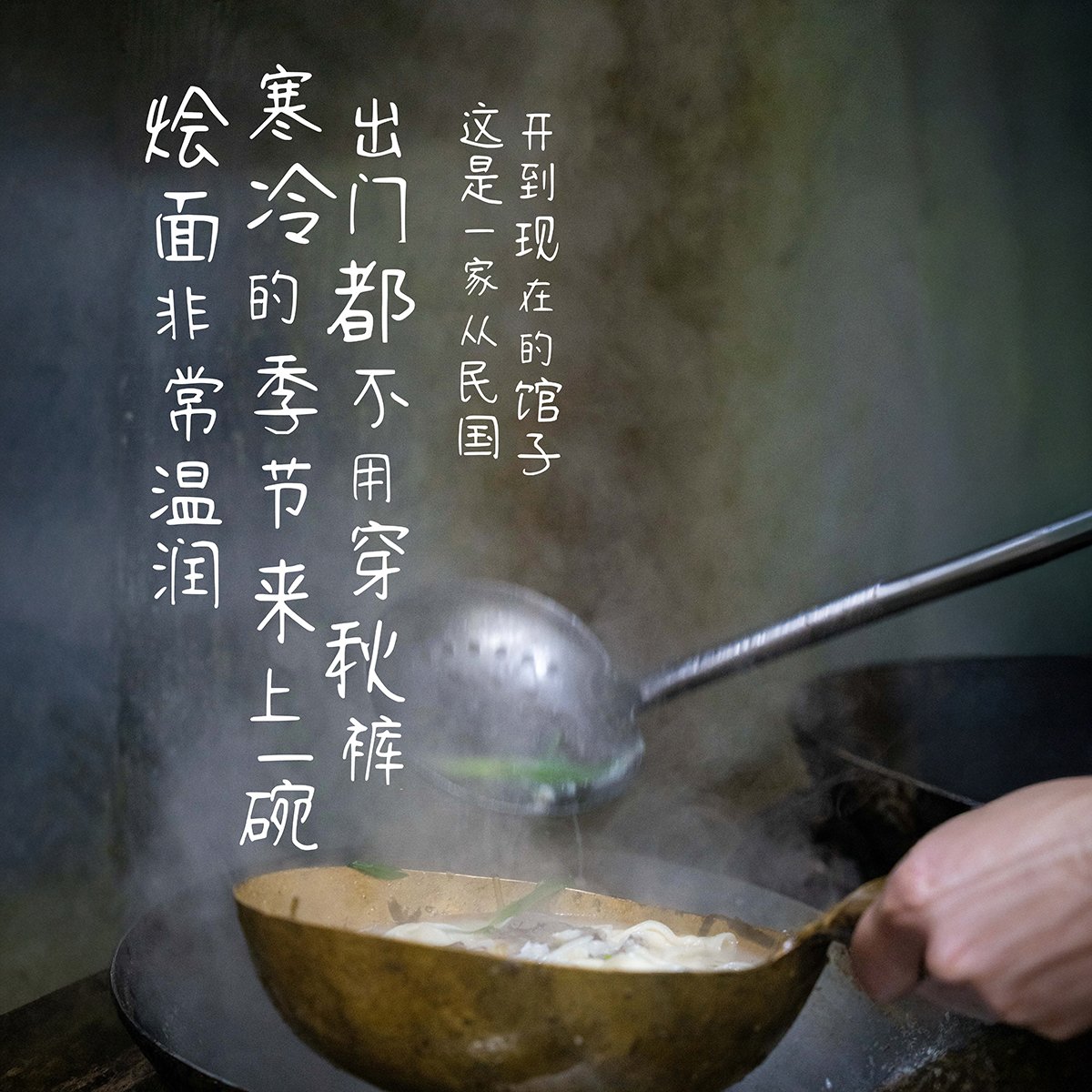
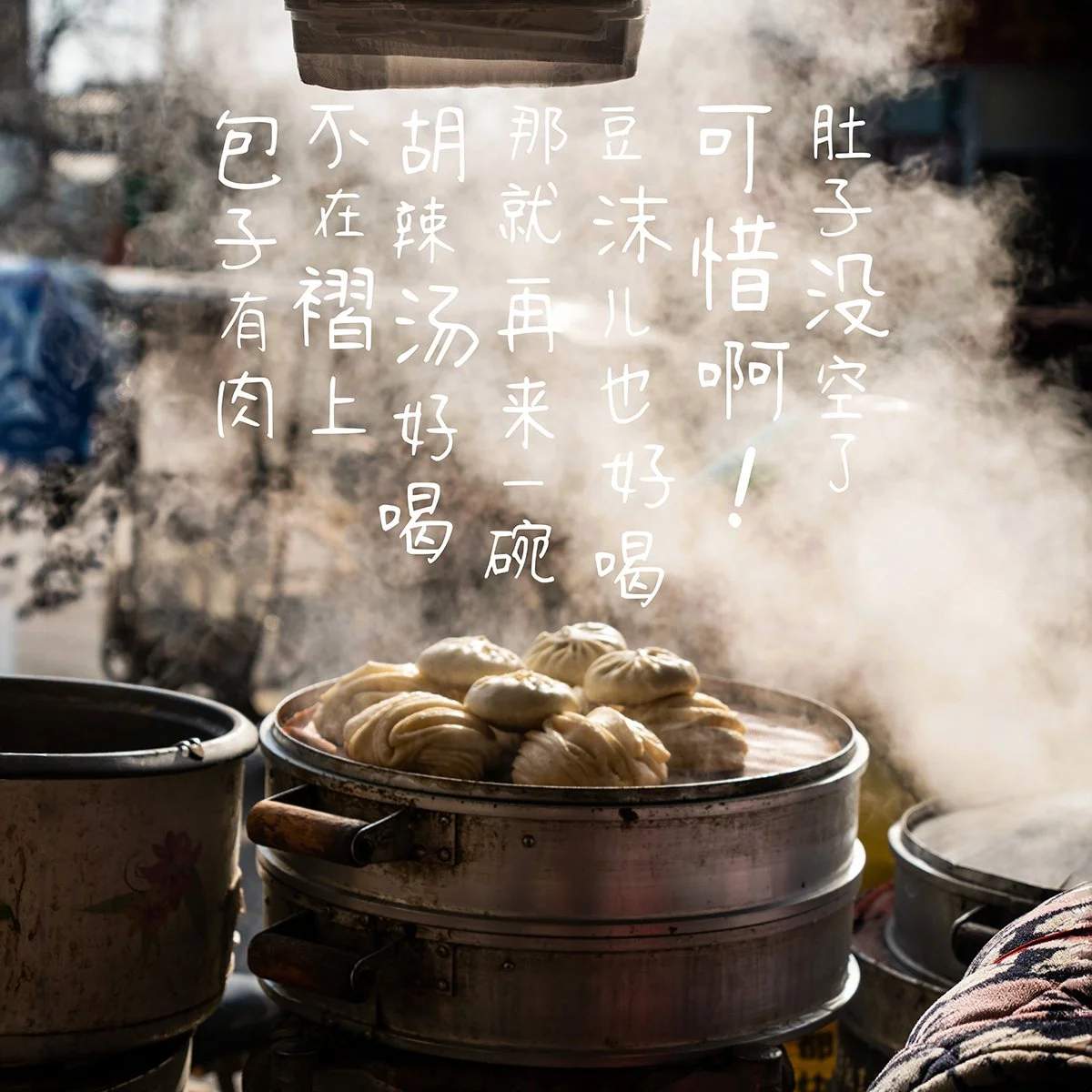
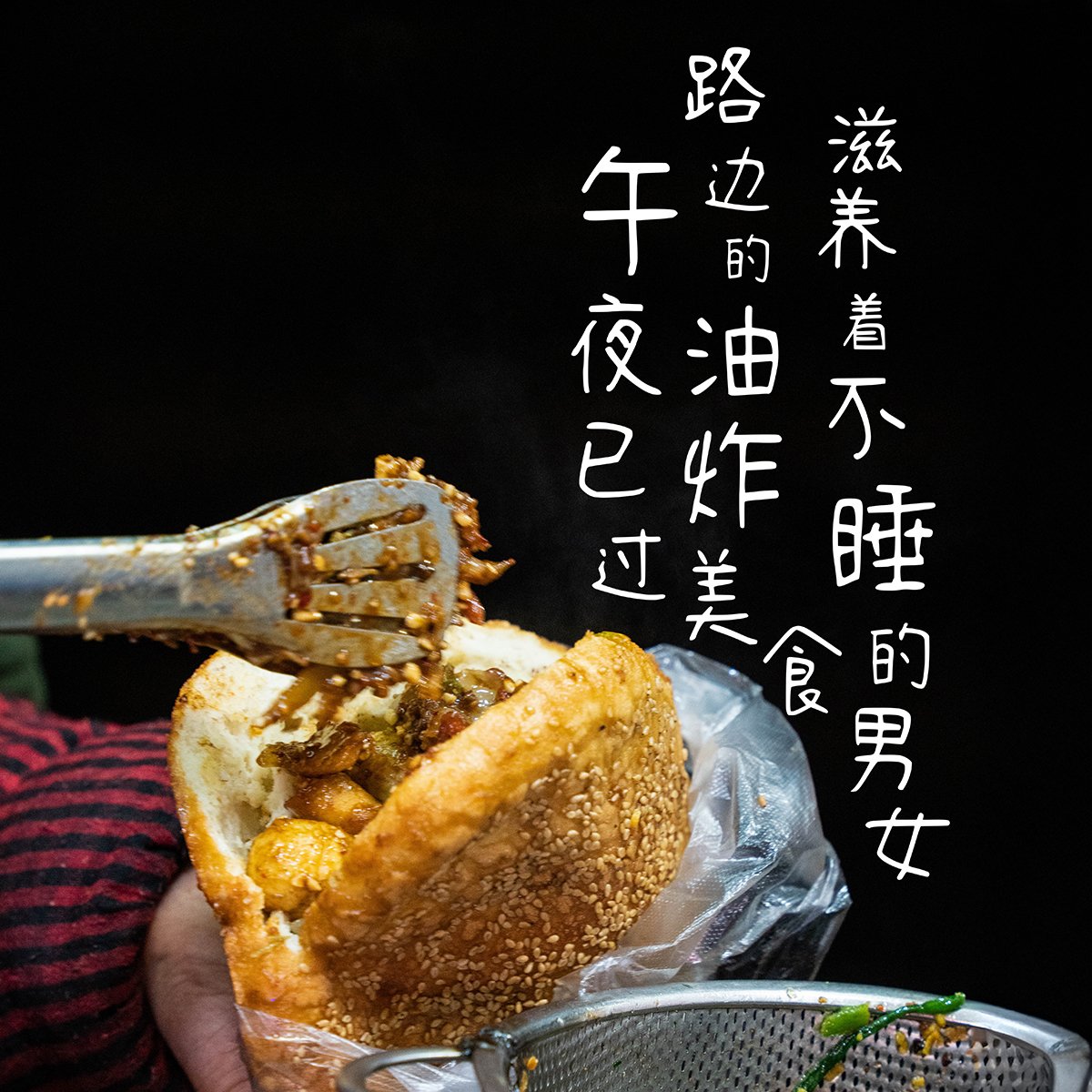
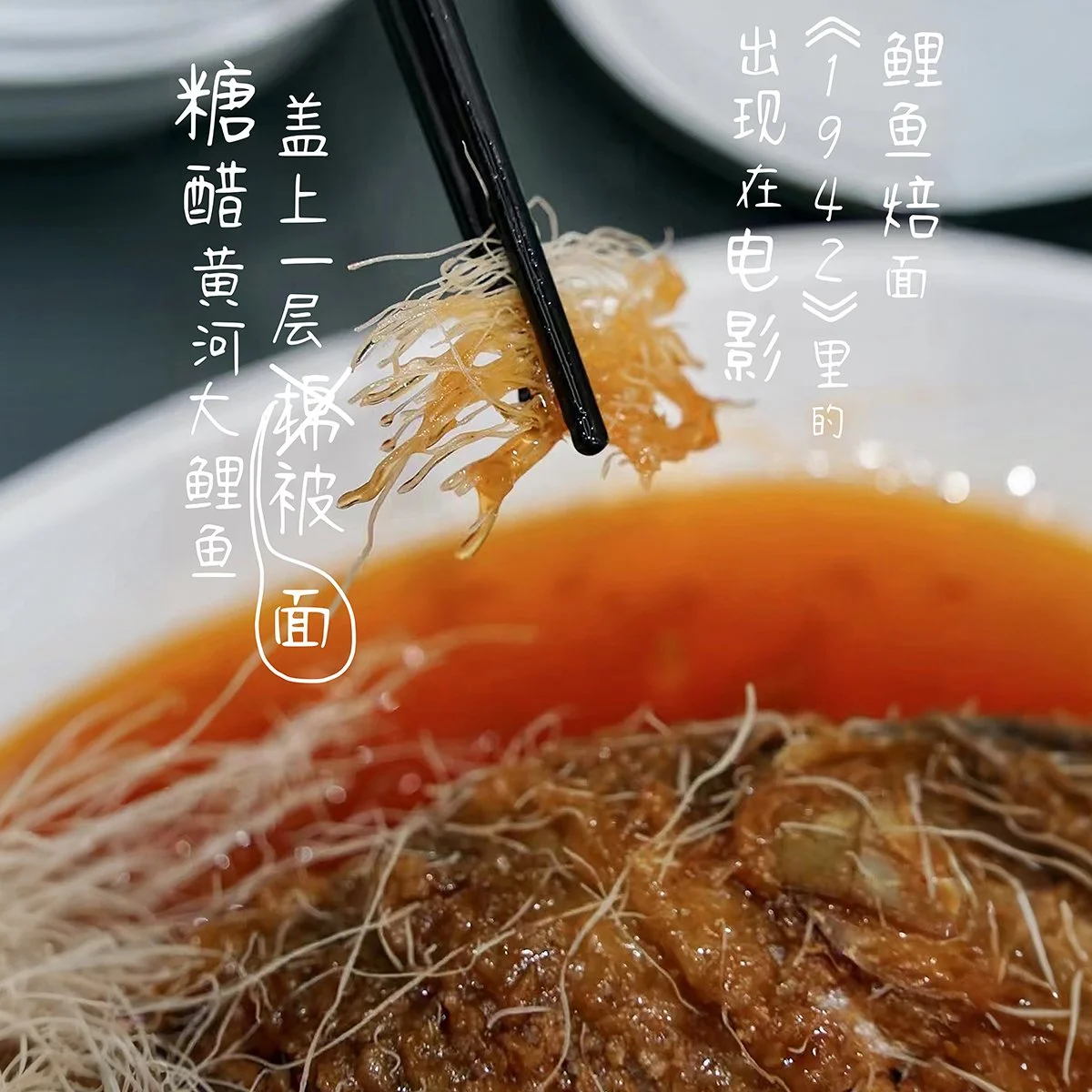
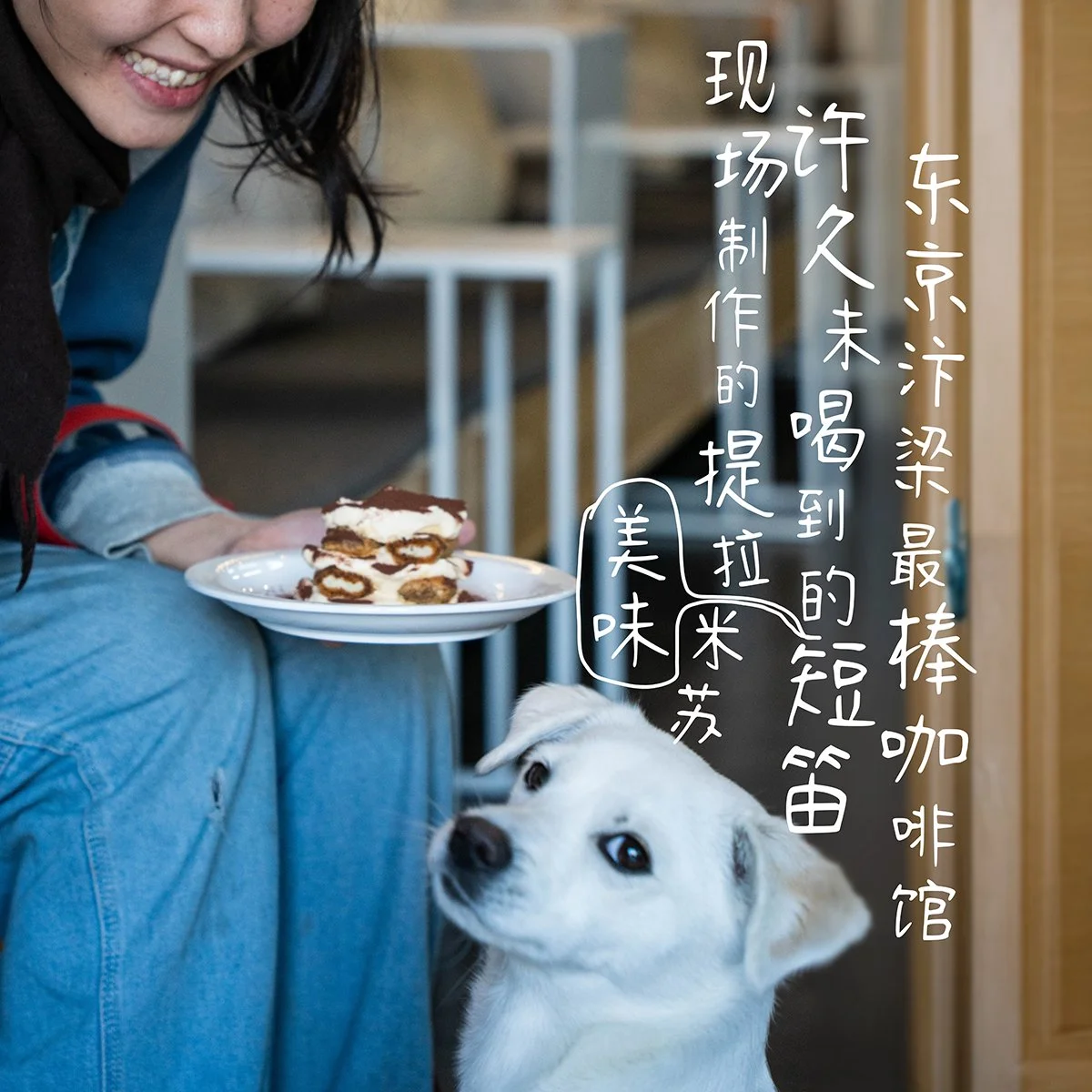
We Are What We Eat, Kaifeng
Food photos have become one of the most common images stored inside smartphones.
People photograph food almost every day.
These photographs were taken in Kaifeng in late 2021 while travelling with my wife Leslie.
The handwritten text inside the images comes from casual conversations, fragments of memory and emotional responses to food itself.
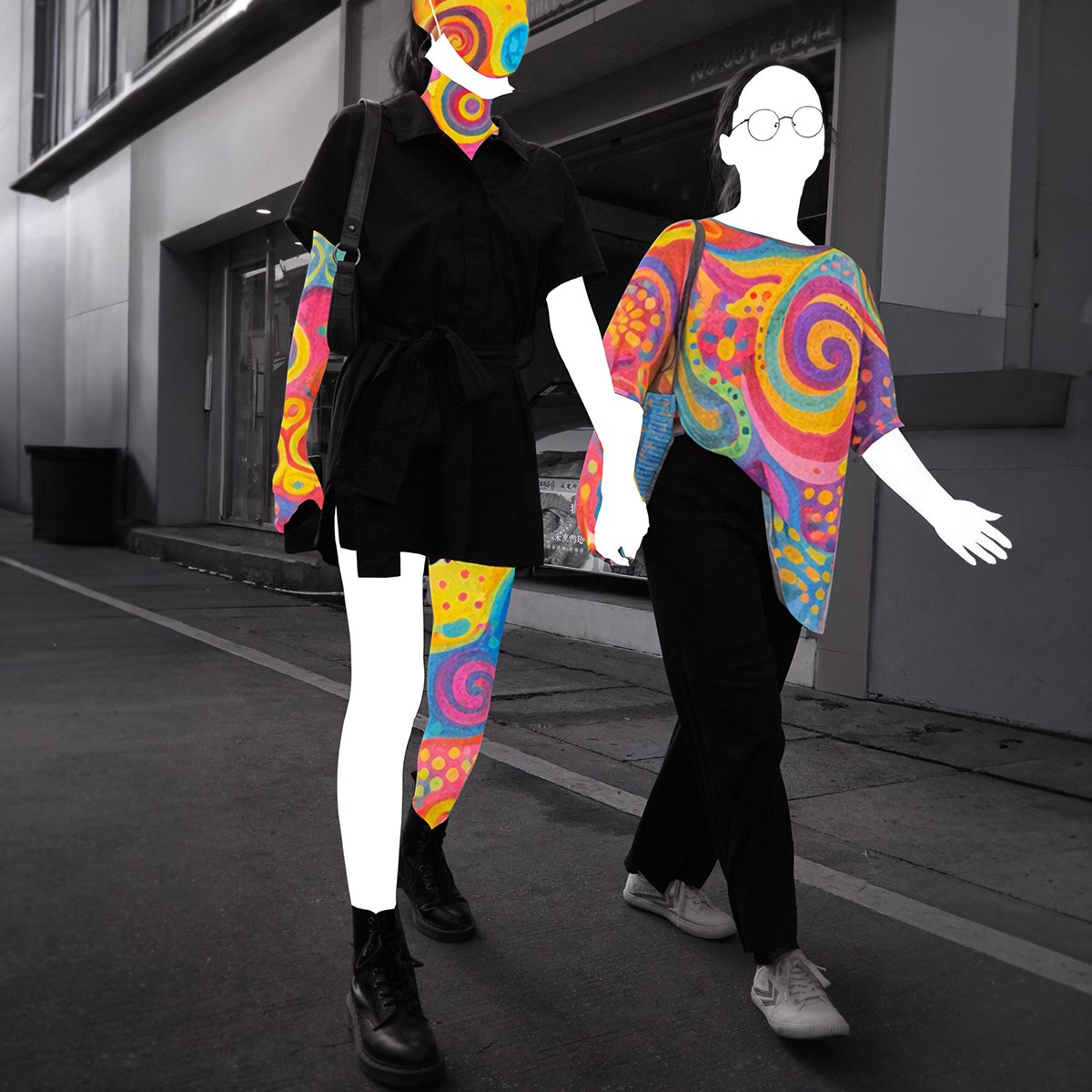
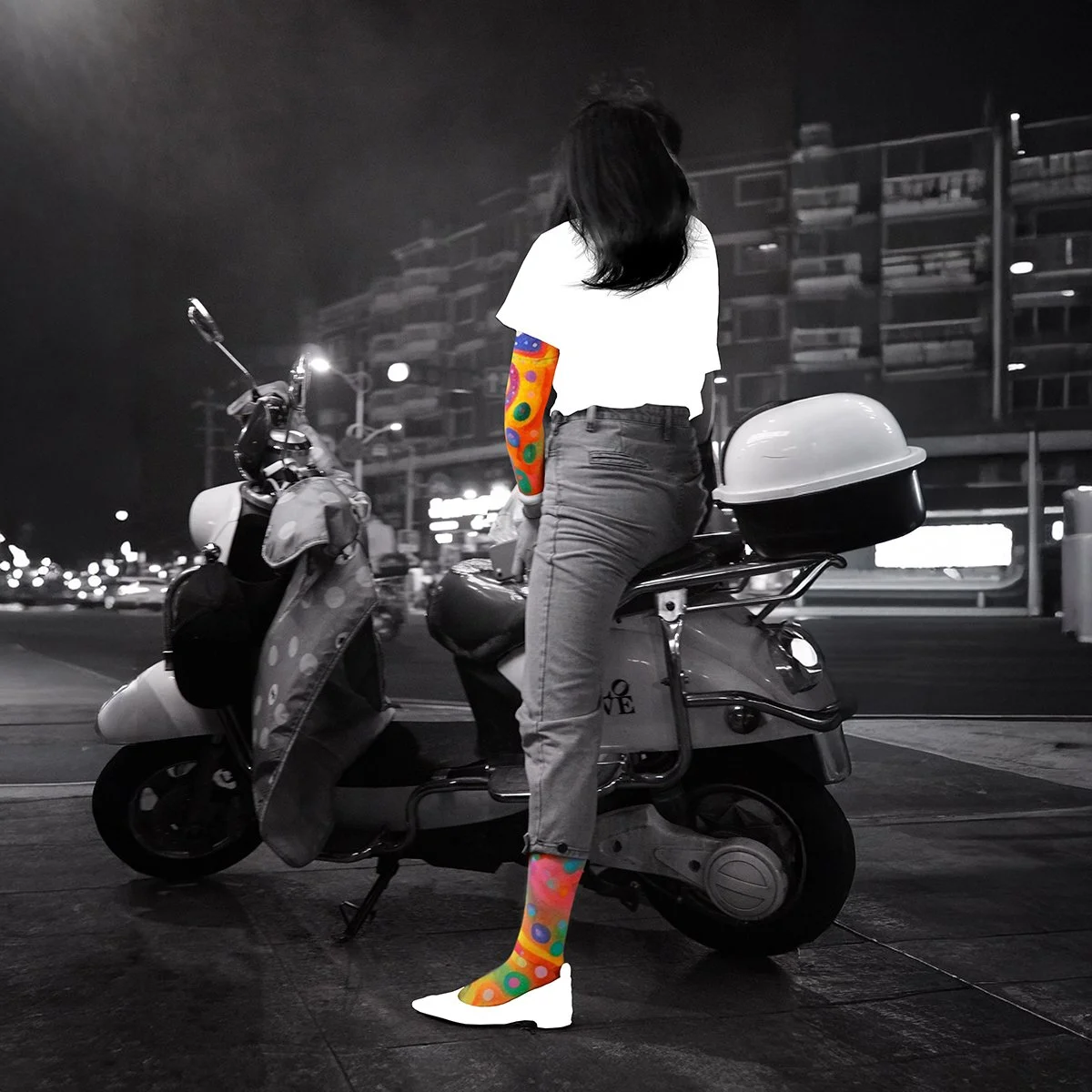
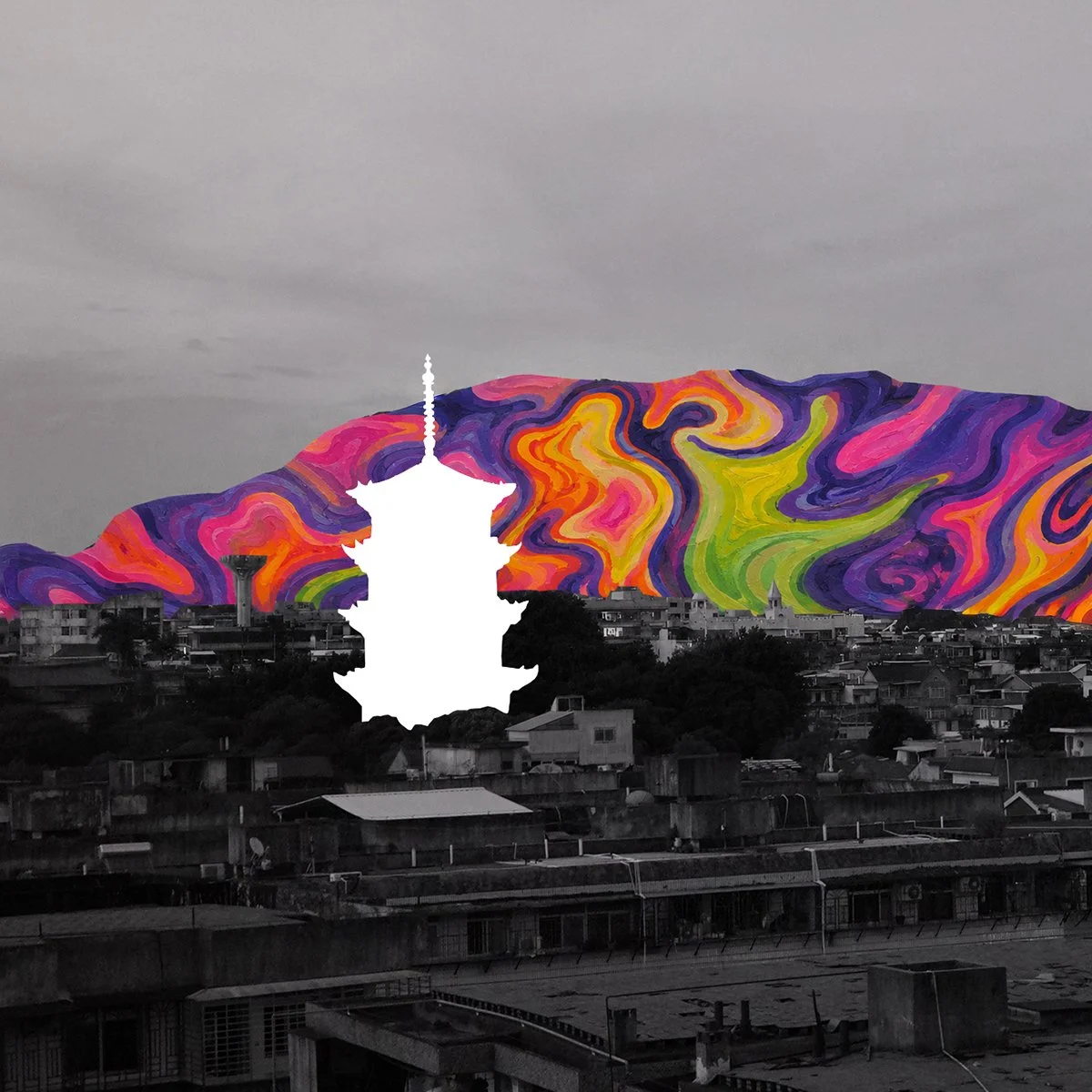
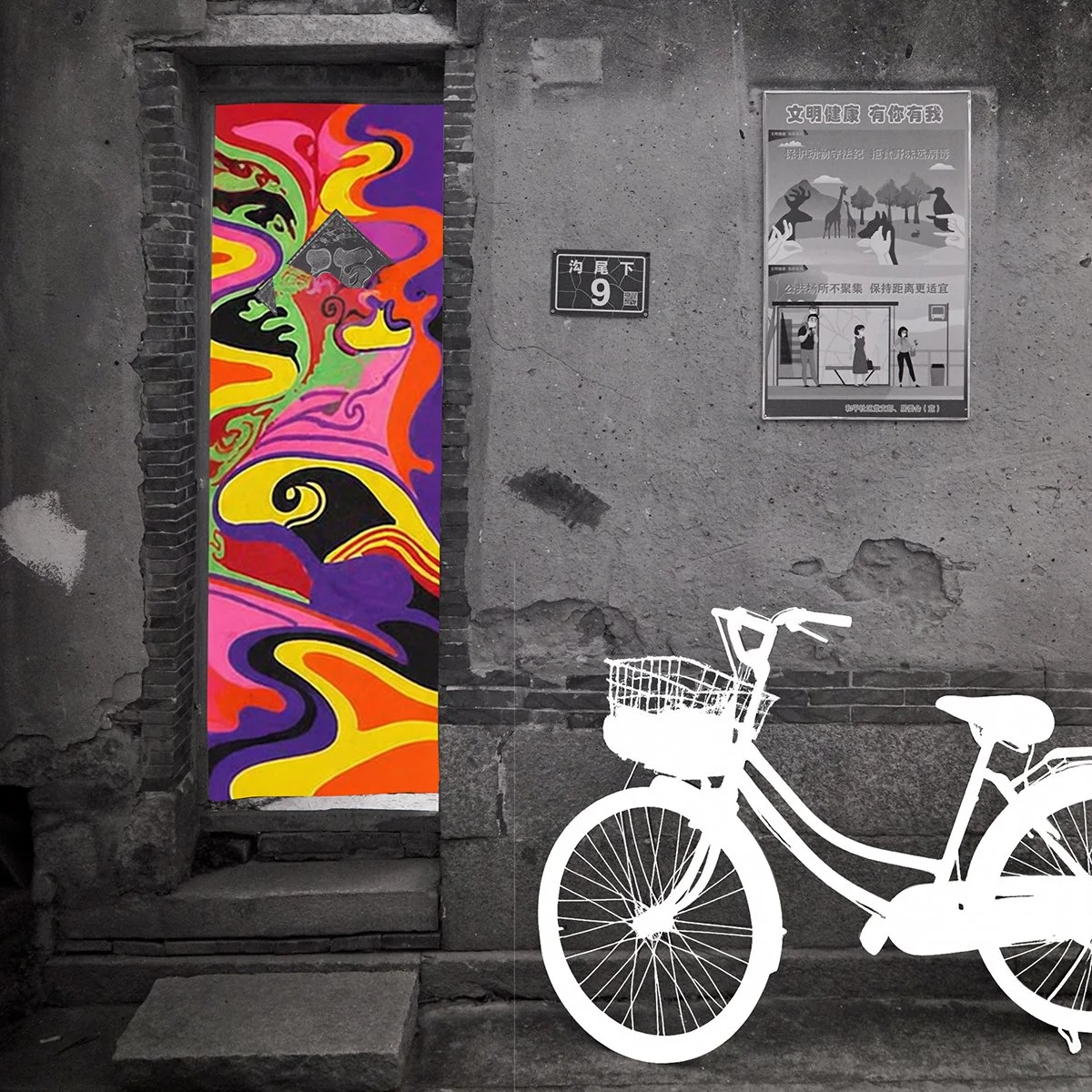
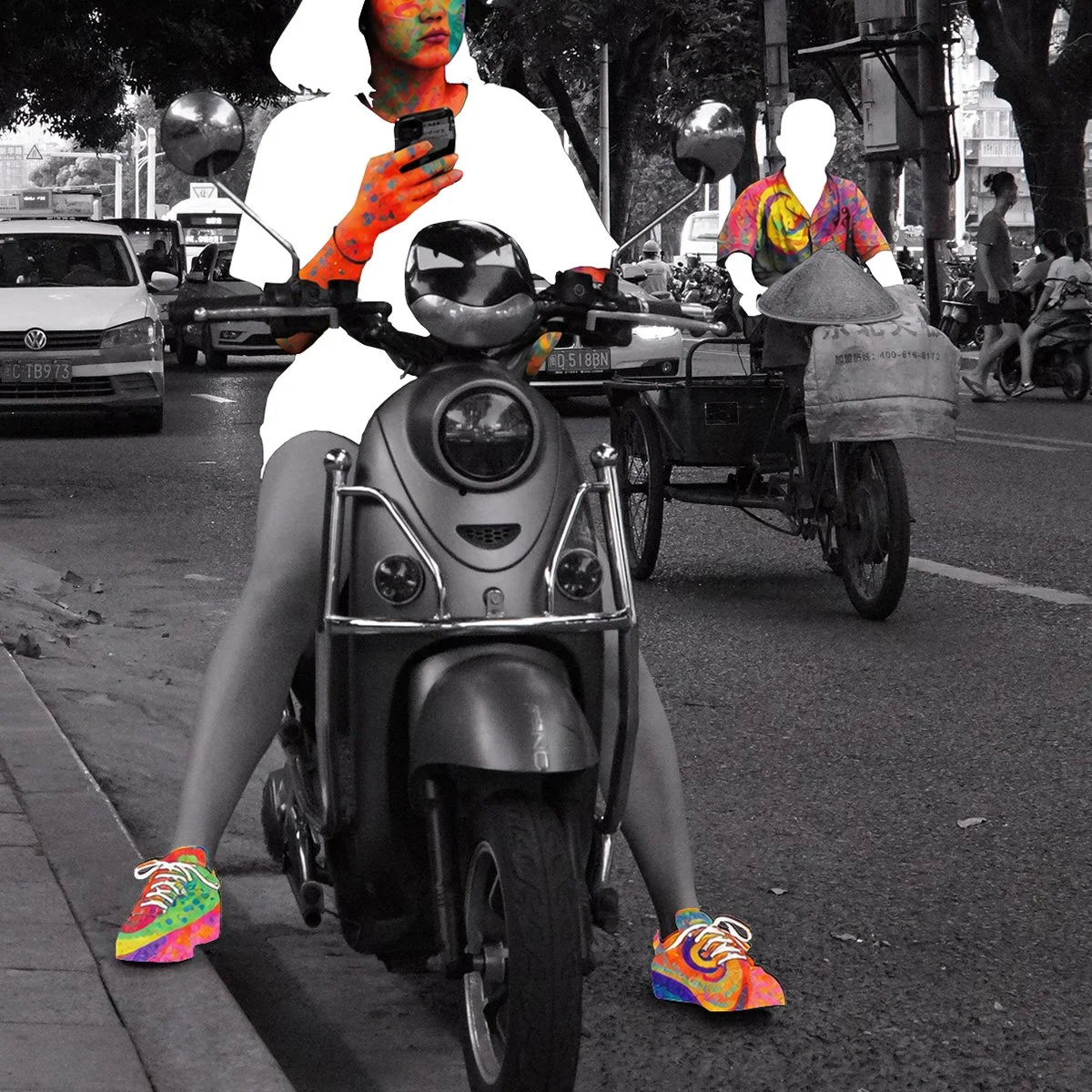
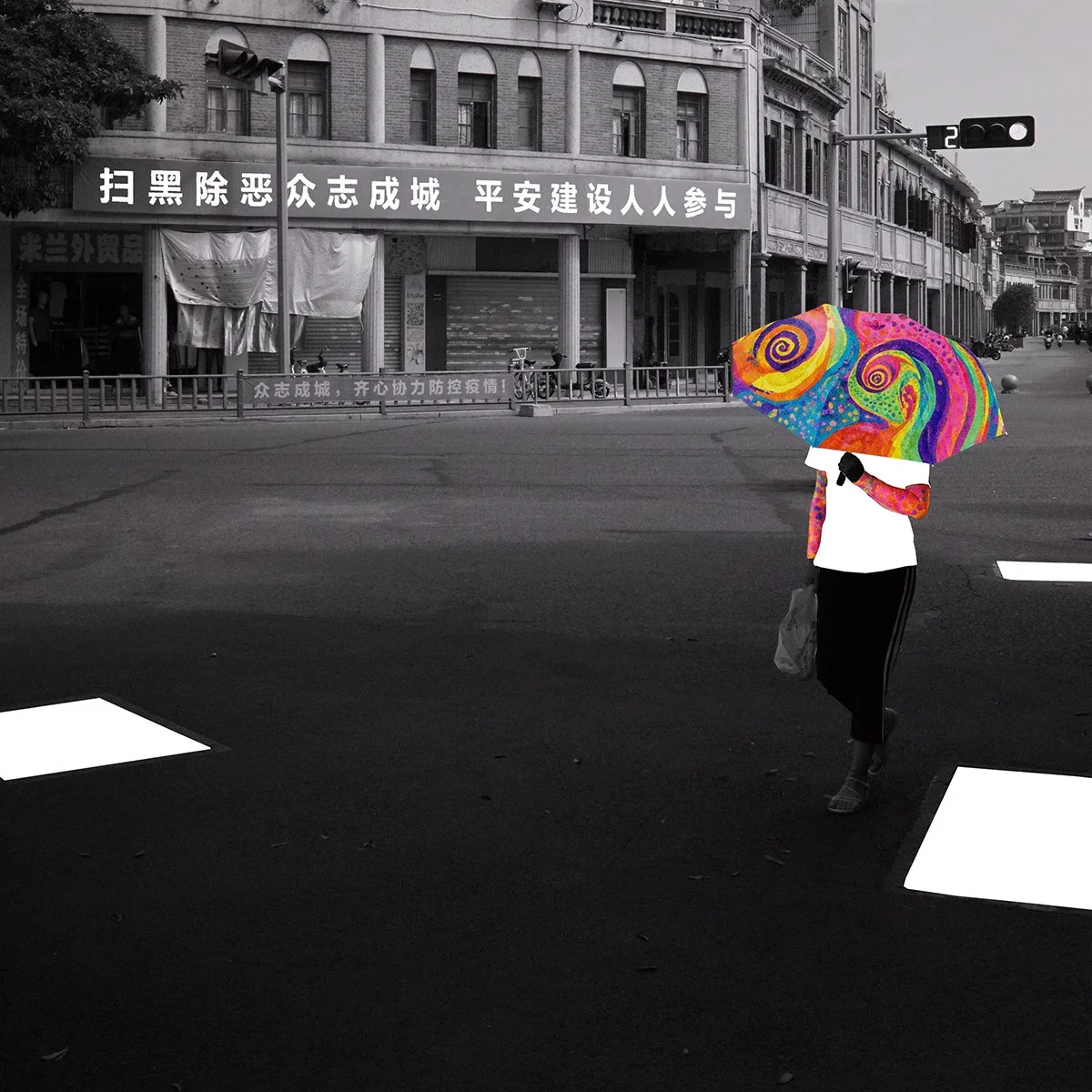
Colours Beyond Grey, Quanzhou
I visited Quanzhou in the summer of 2020 after wanting to see the city for more than ten years.
At first, black-and-white photography felt like the right language for the city, but eventually it also started to feel too grey and muted.
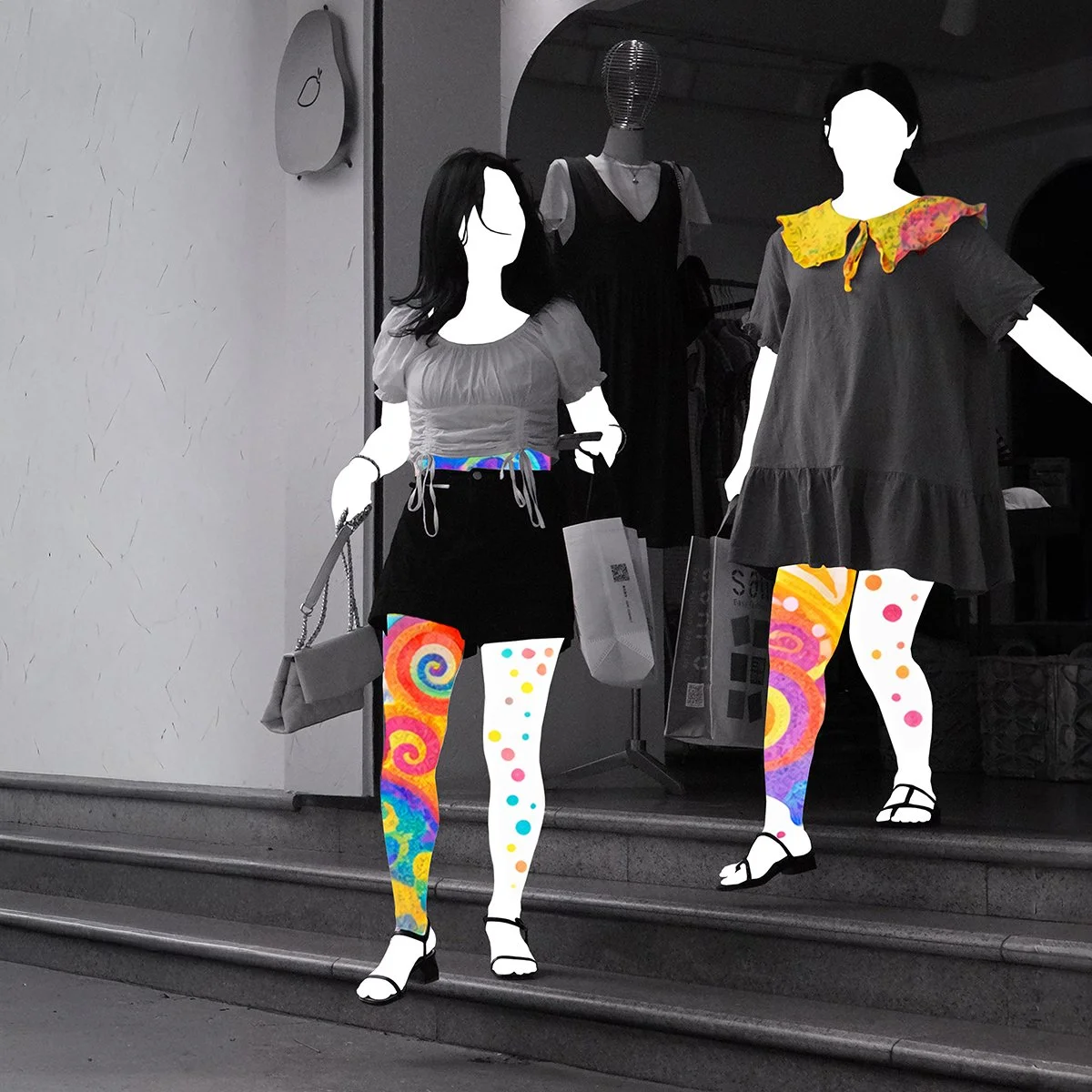
I began adding colour digitally — not to cover the photographs, but to interrupt them slightly, like small flashes of energy inside memory.
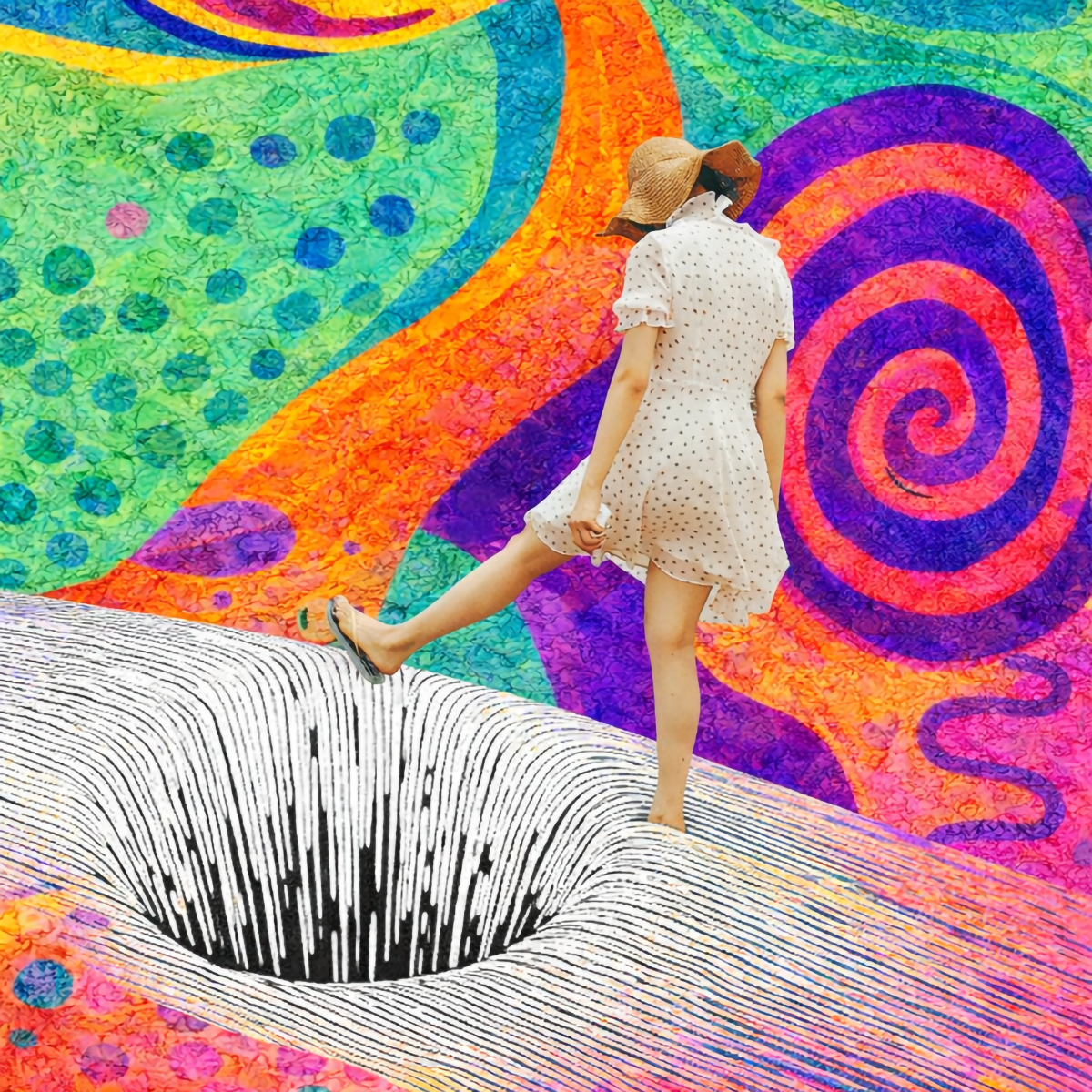
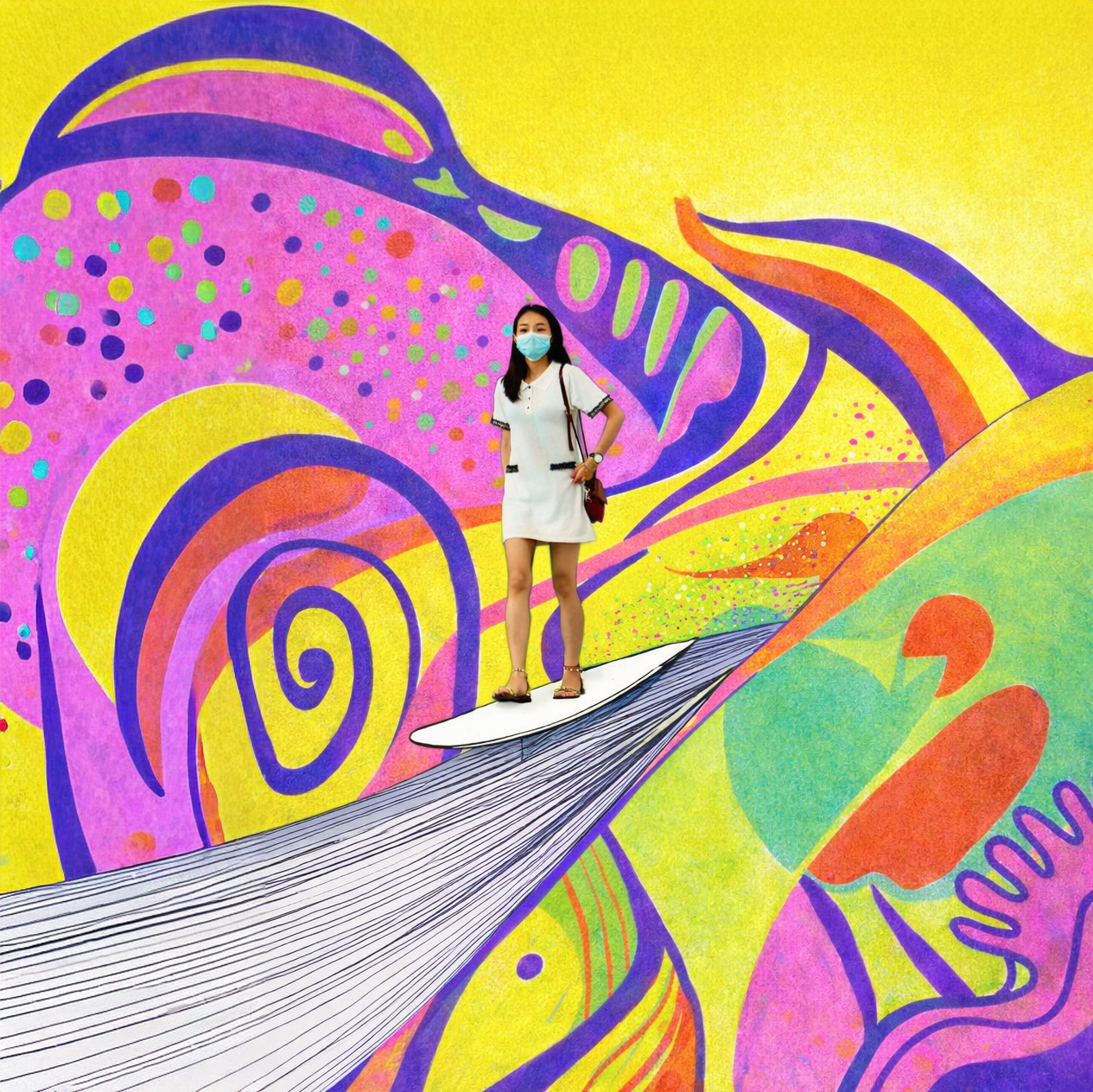
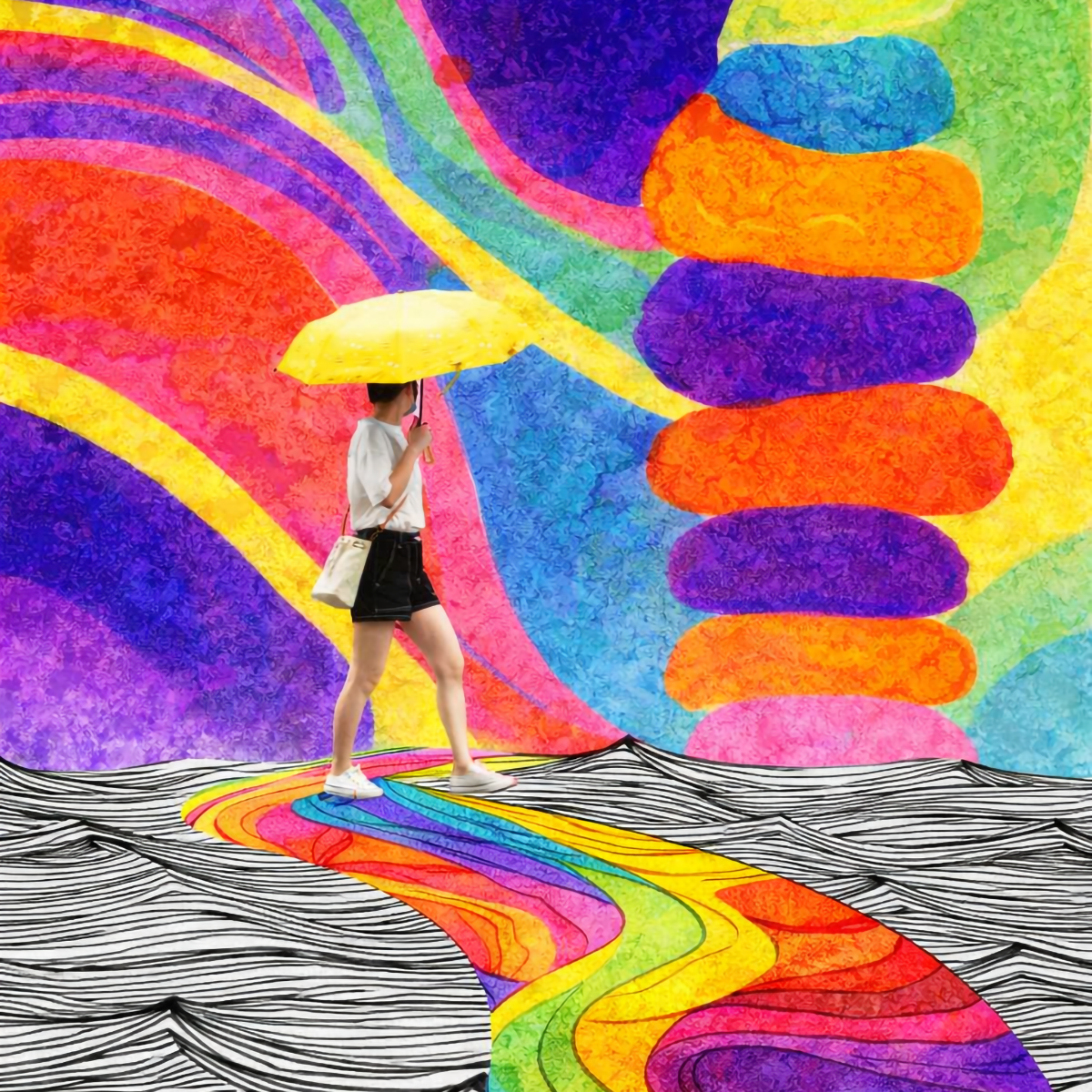
Beach Culture, Gulangyu Island, Xiamen
These photographs were taken on Gulangyu Island in 2020.
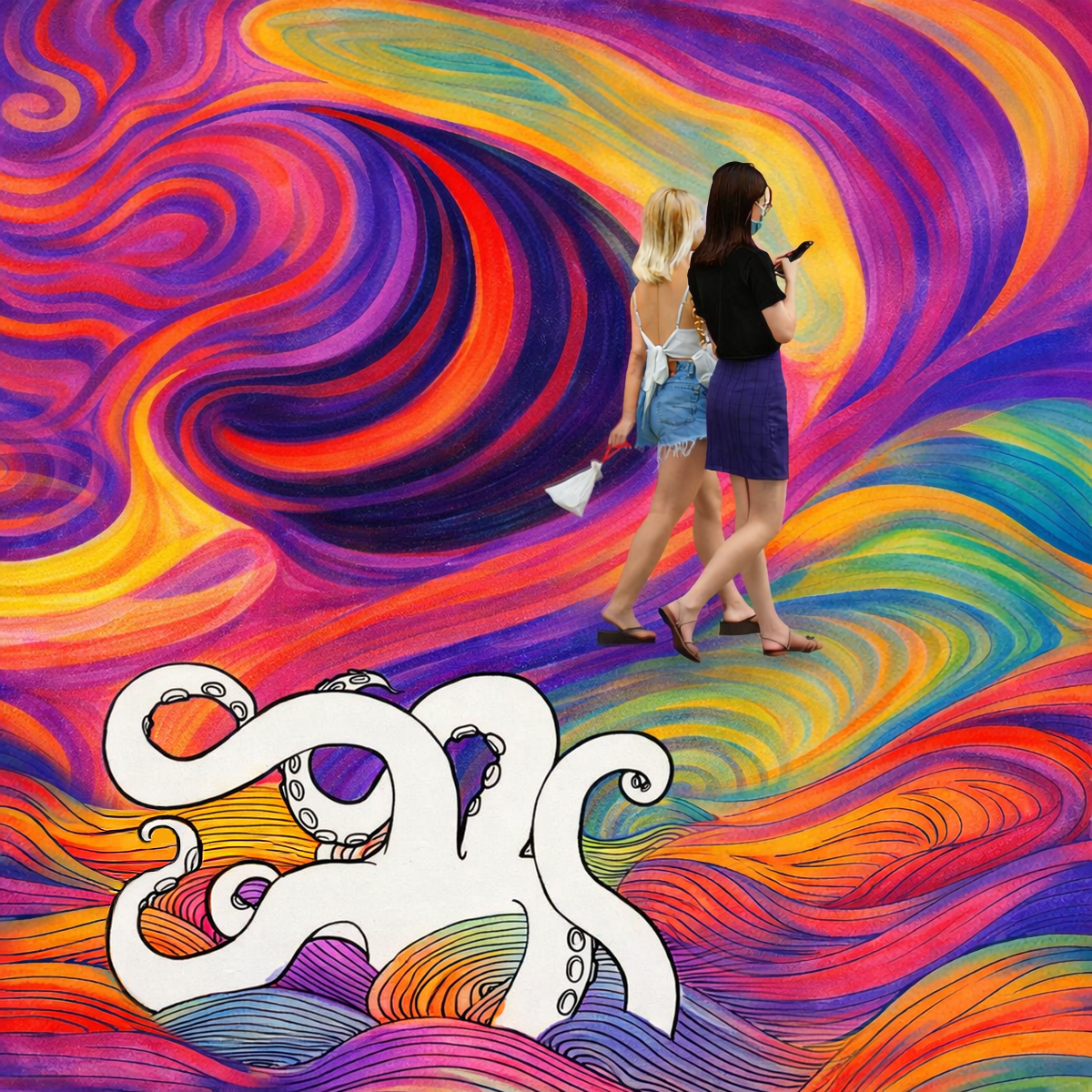
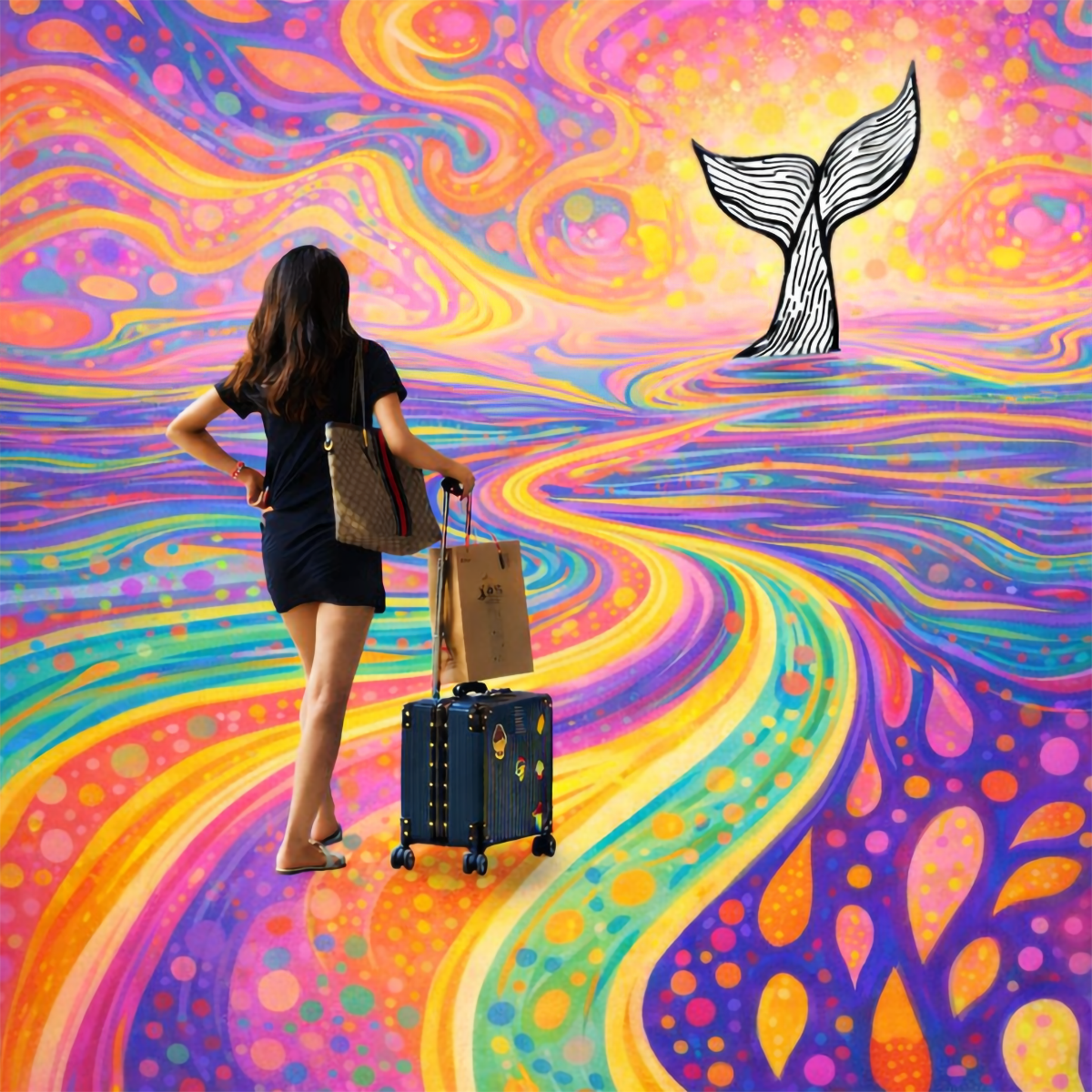
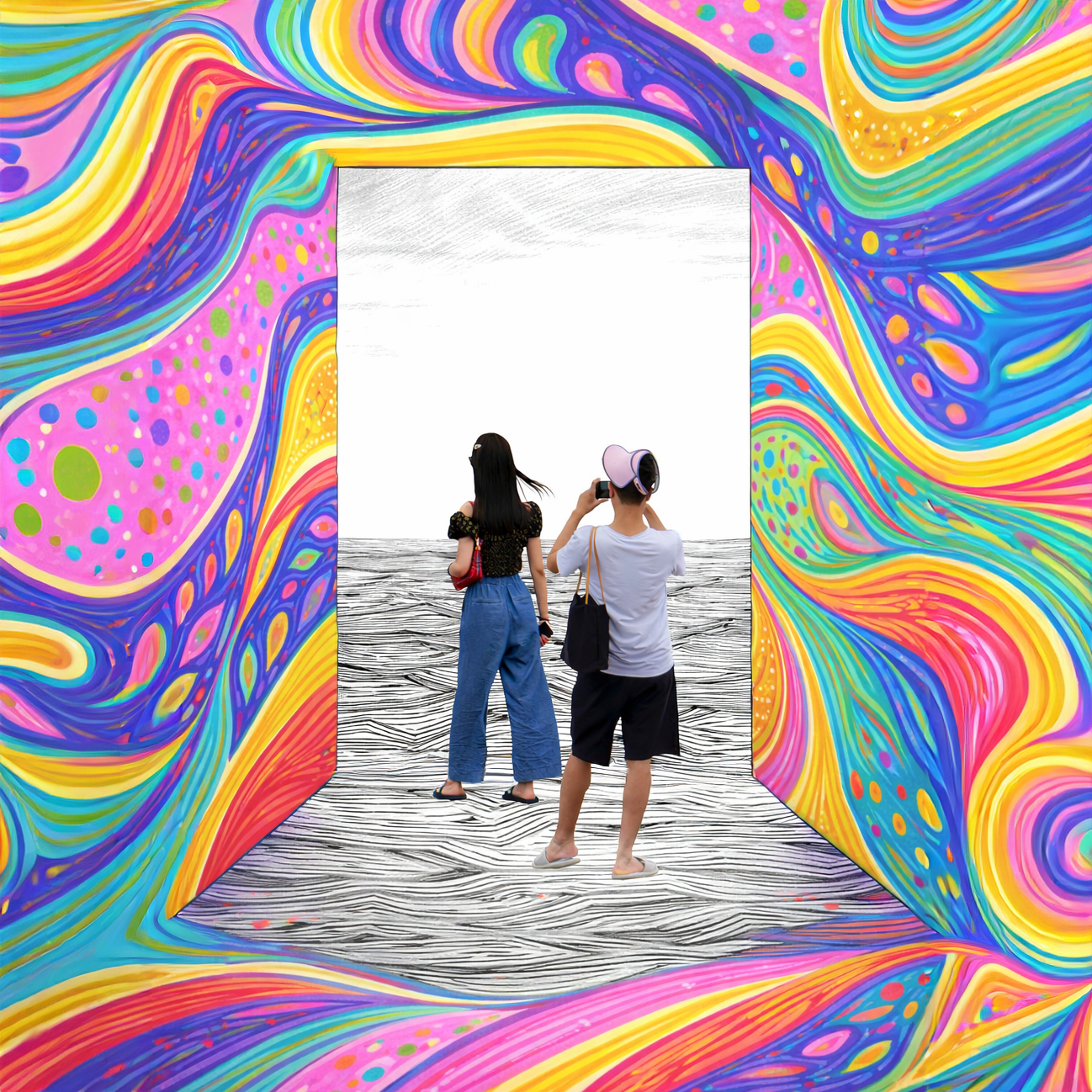
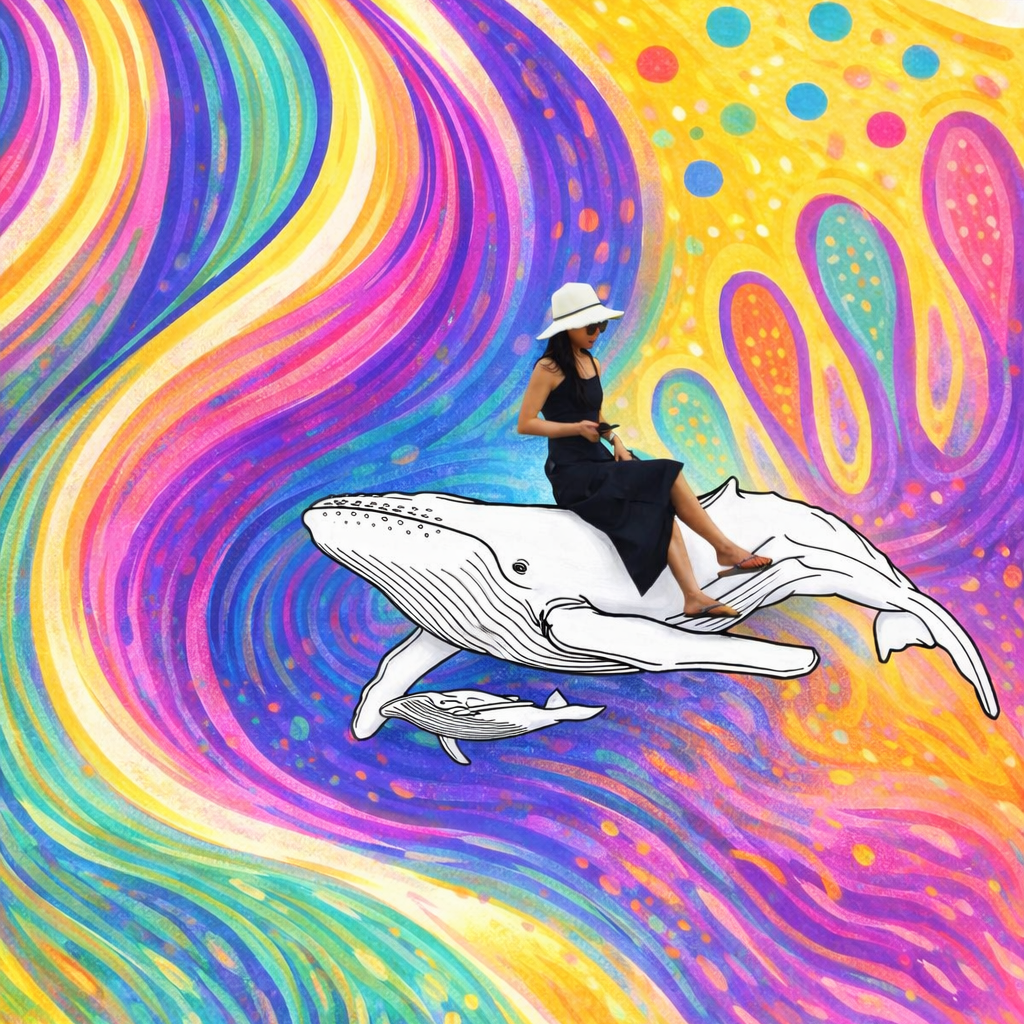
I became interested in what a Chinese beach culture might look like — selfies, wedding shoots, tourists and people photographing each other more than the sea itself.
Later, I started removing people digitally and adding small layers of imagination to the images.
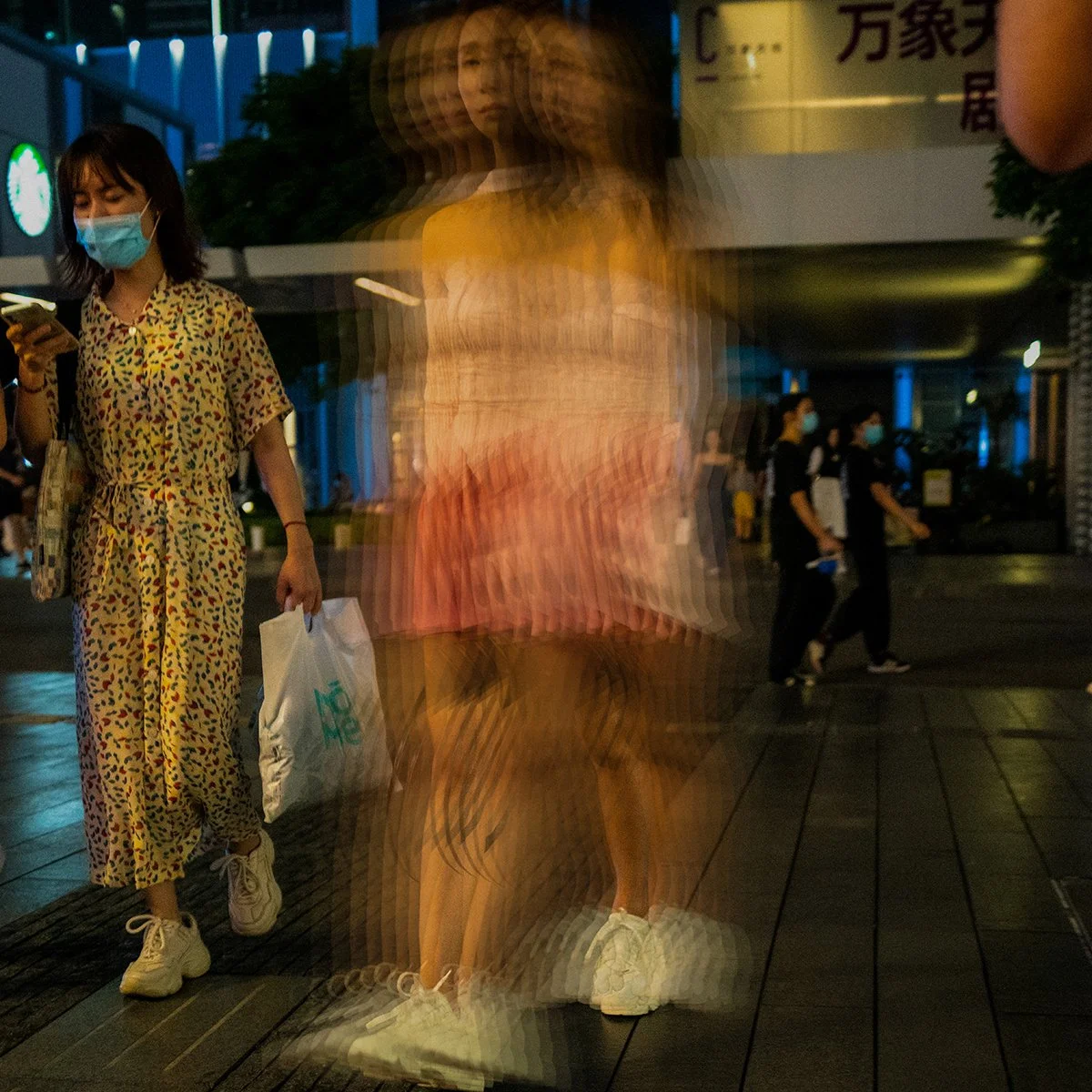
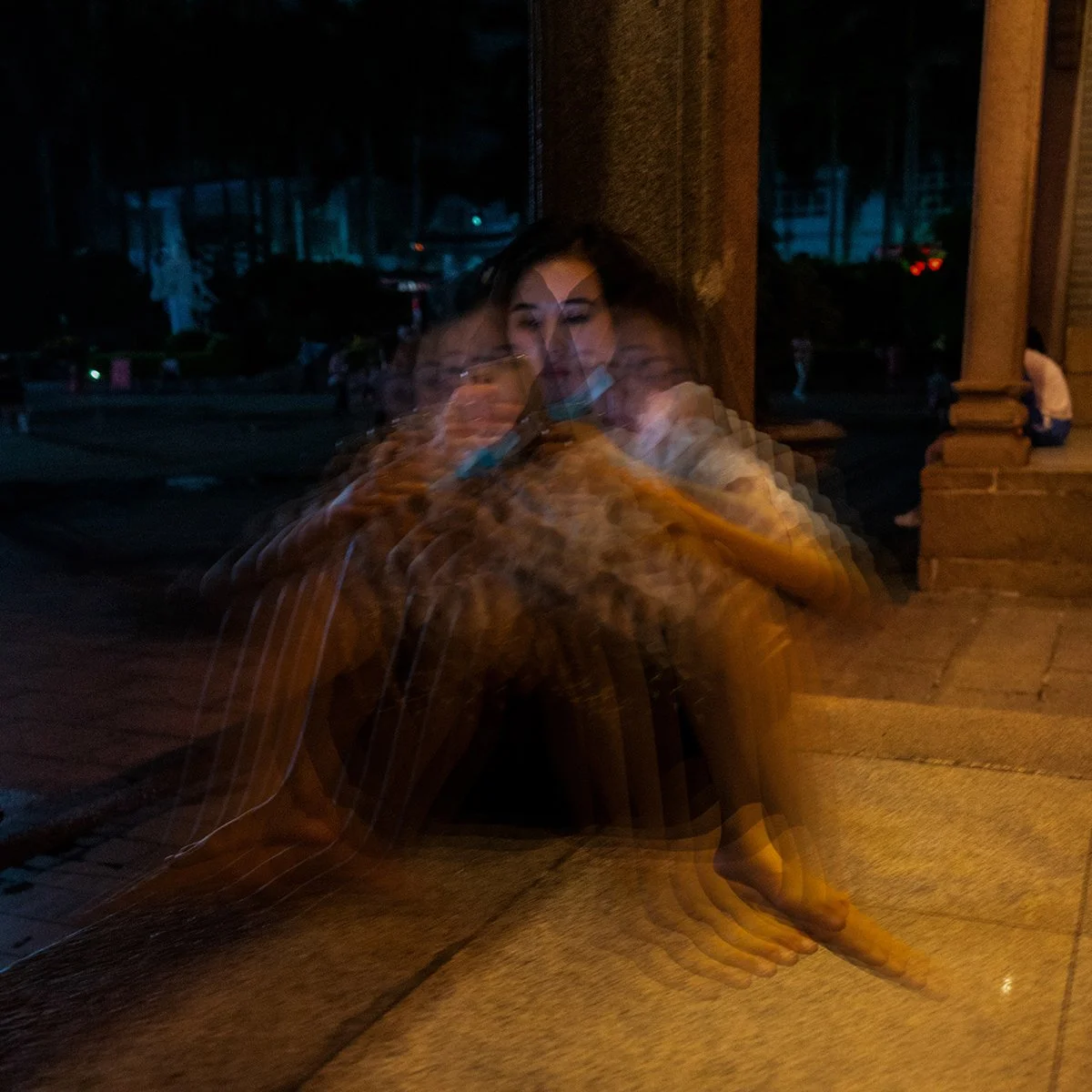
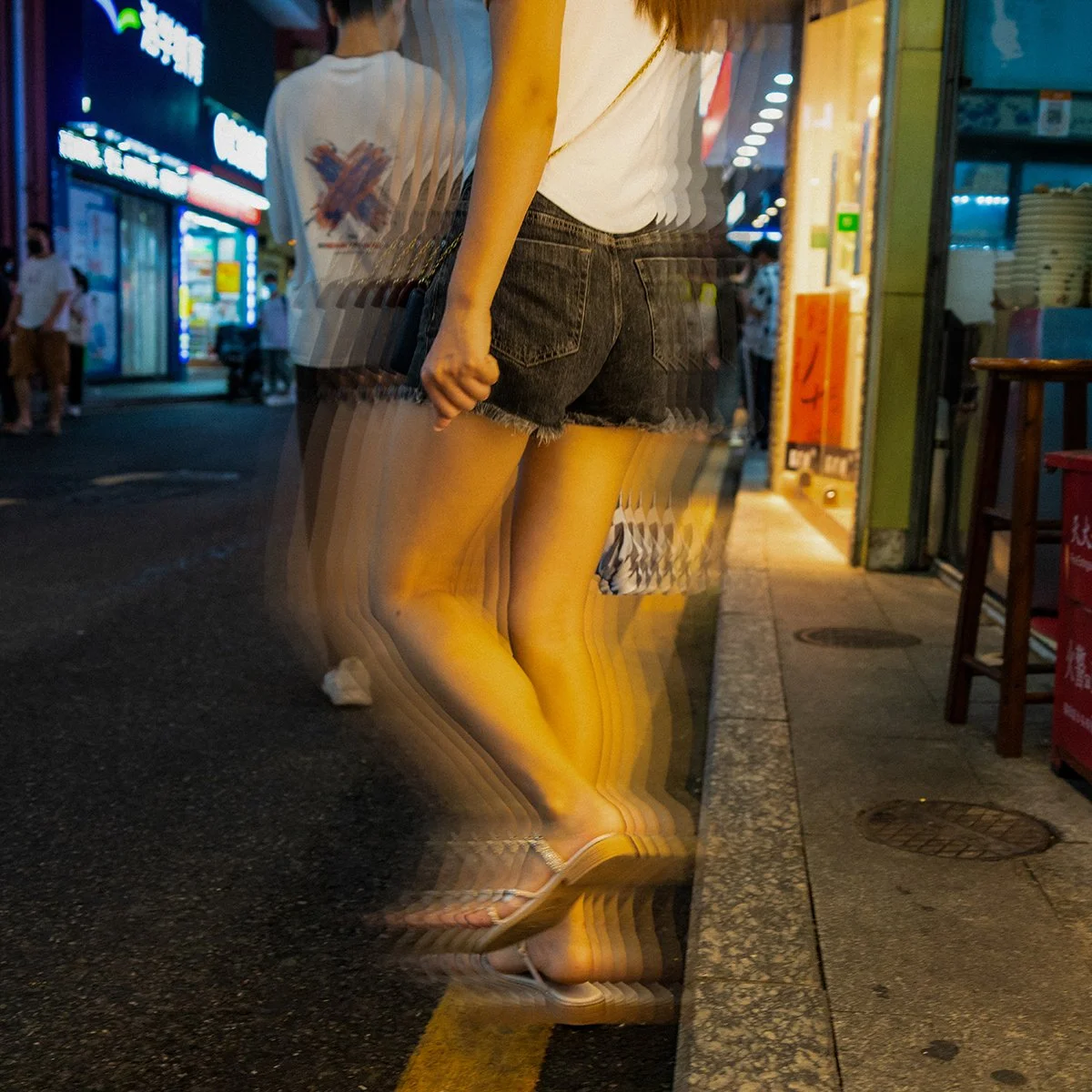
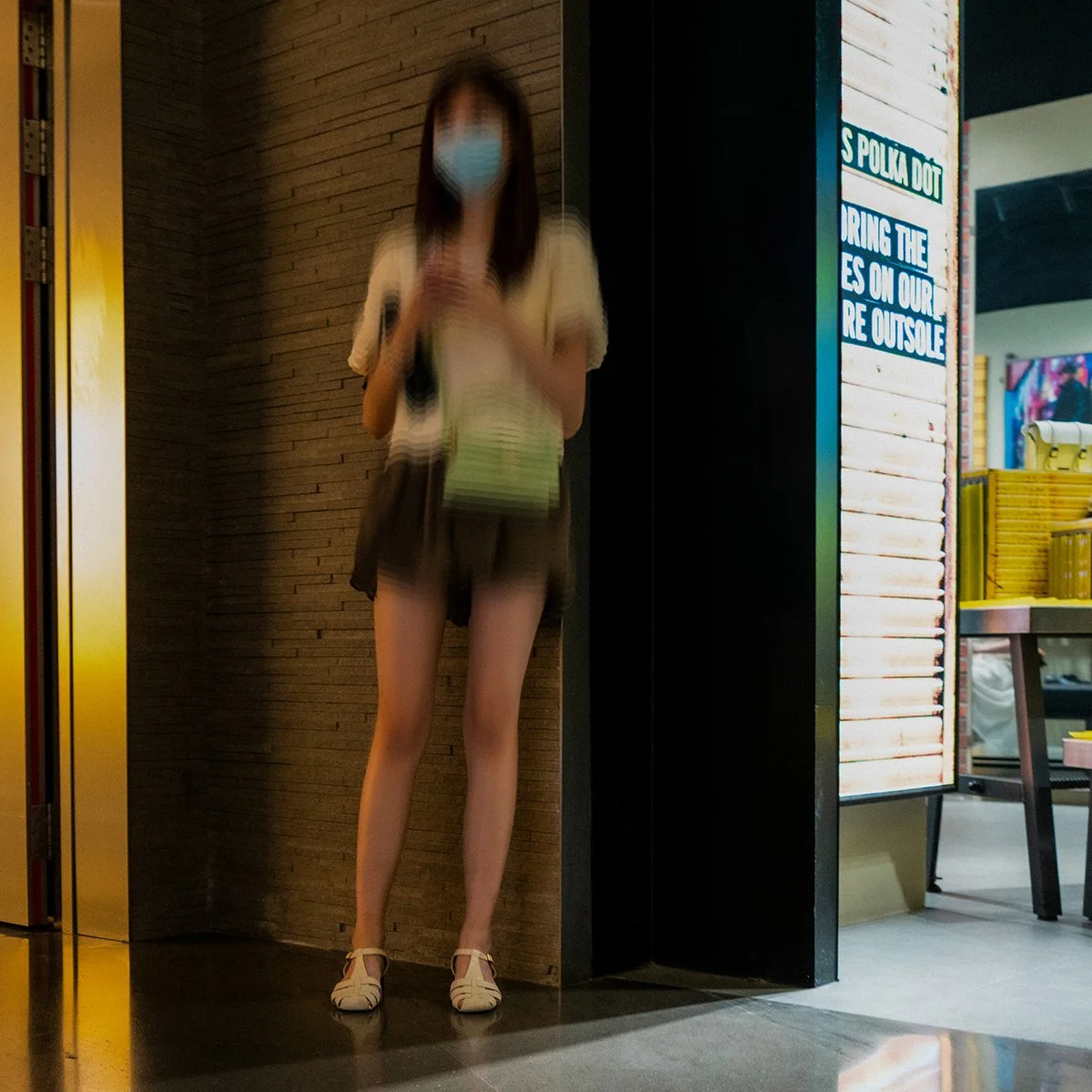
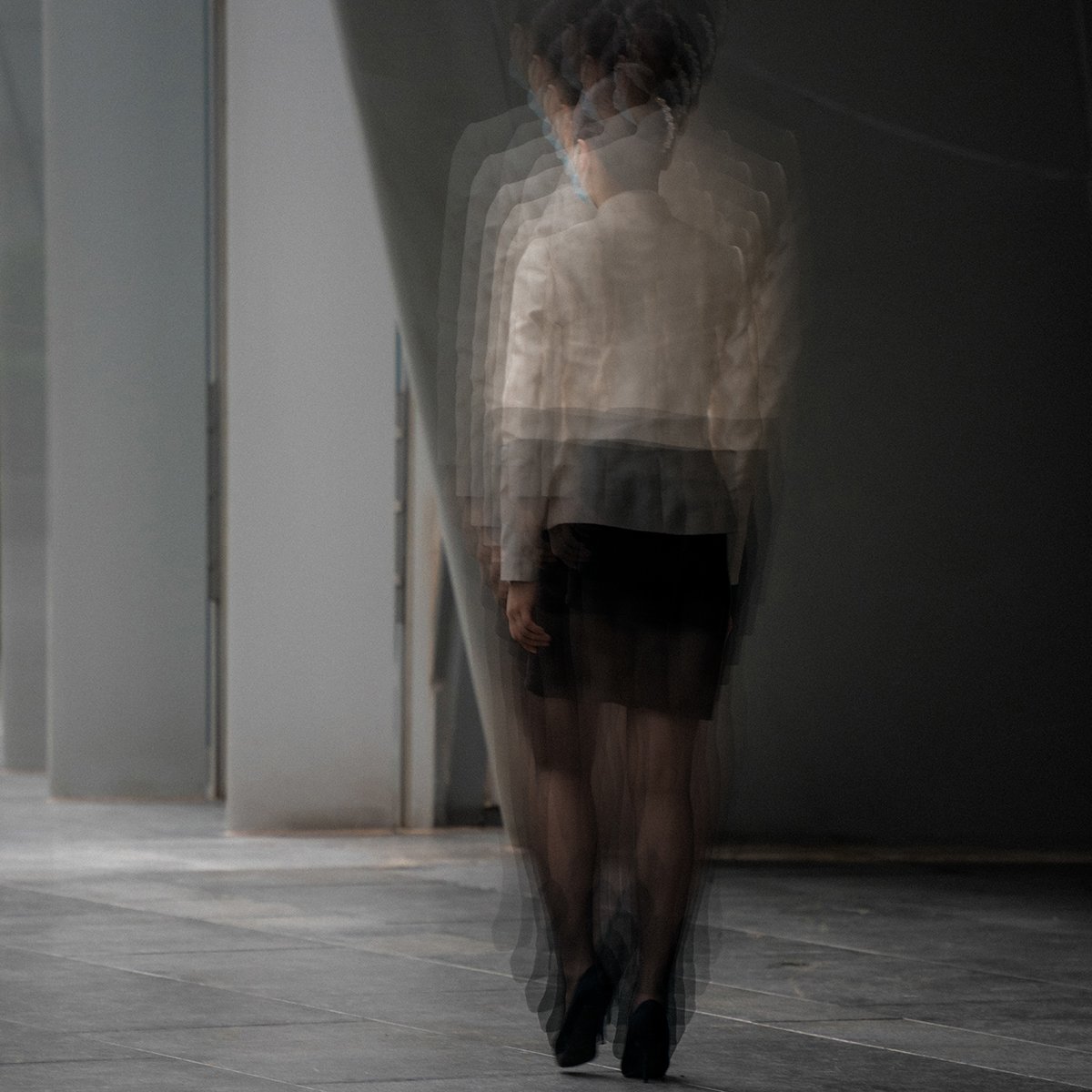
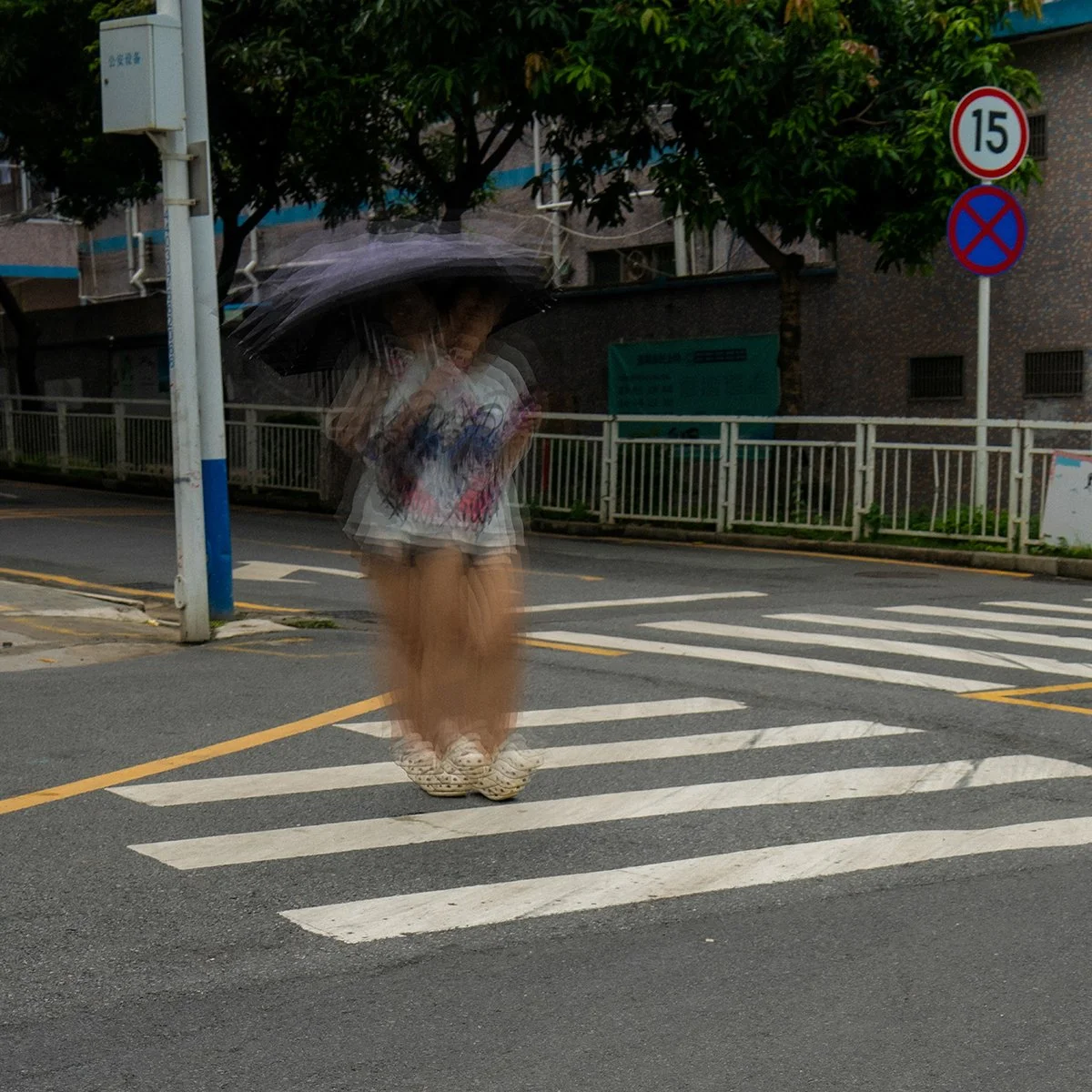
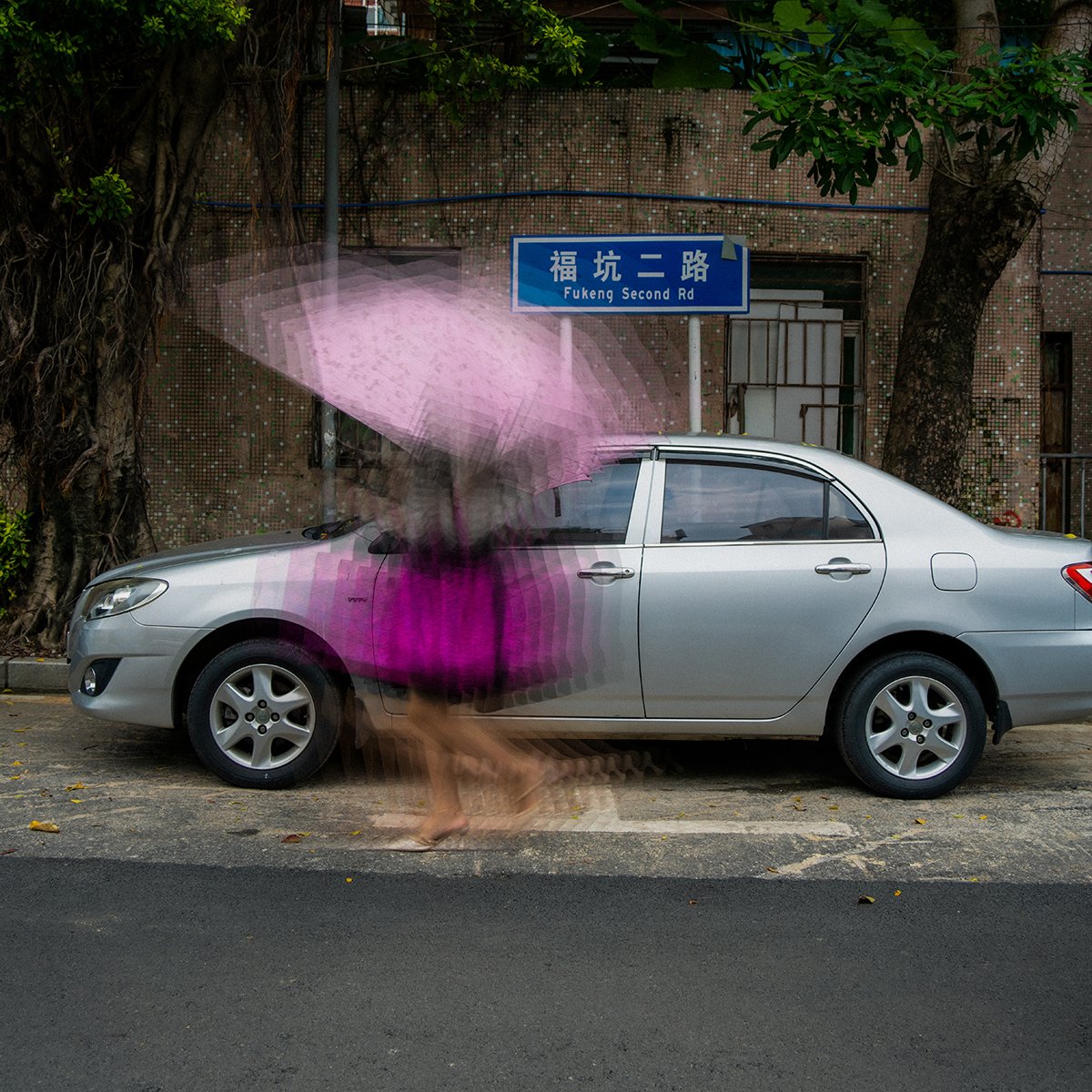
You Are Just Blurry, Shenzhen
These photographs were made in Shenzhen in 2021.
Most of the images were intentionally blurred or digitally layered afterward.
Over time, I became less interested in clarity and more interested in ambiguity.
For me, the blur started to feel more truthful than sharpness.