Living Spaces
Images of homes, temporary dwellings, urban villages, and the spaces people continue to inhabit and shape over time.
The meaning of “home” keeps changing as we grow older.
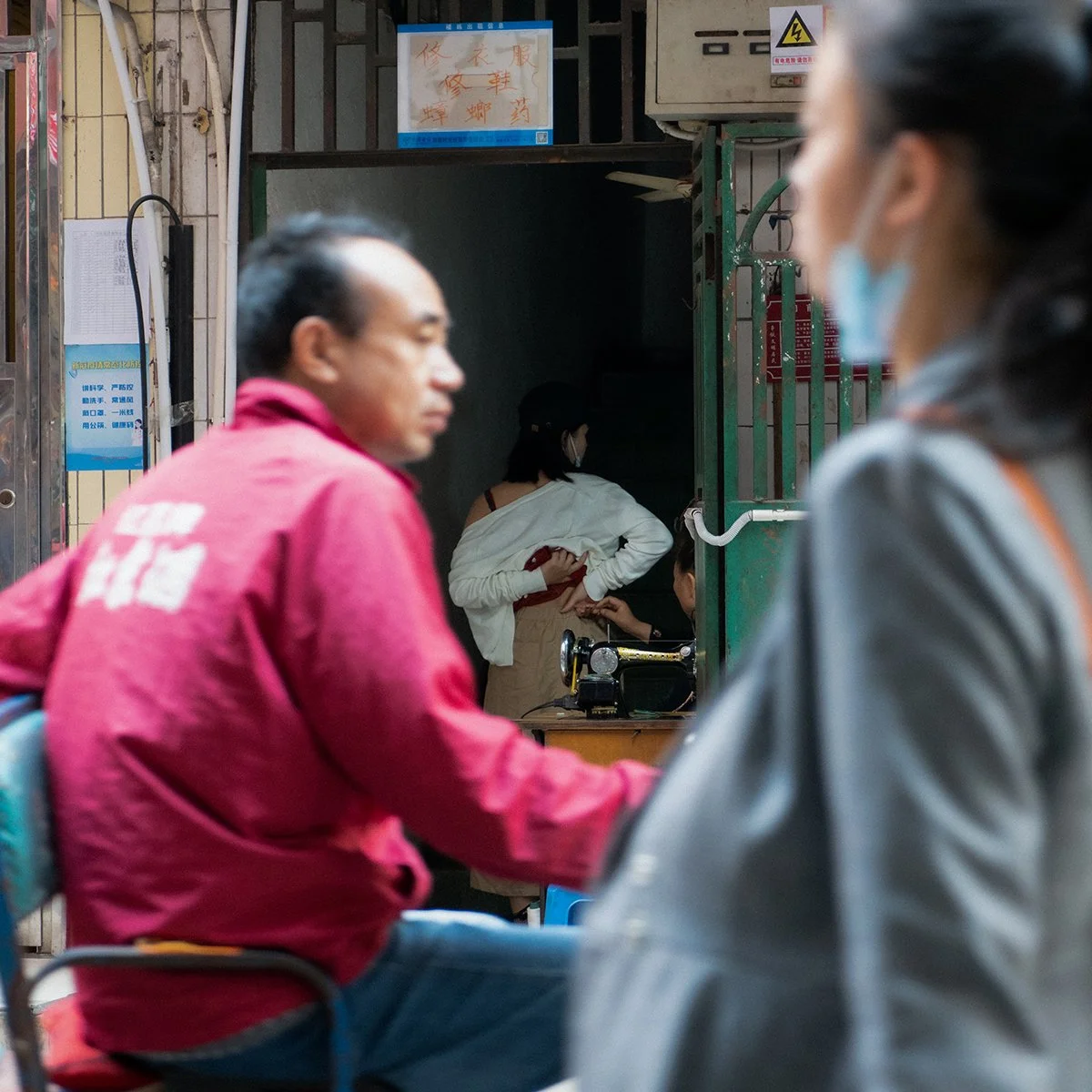
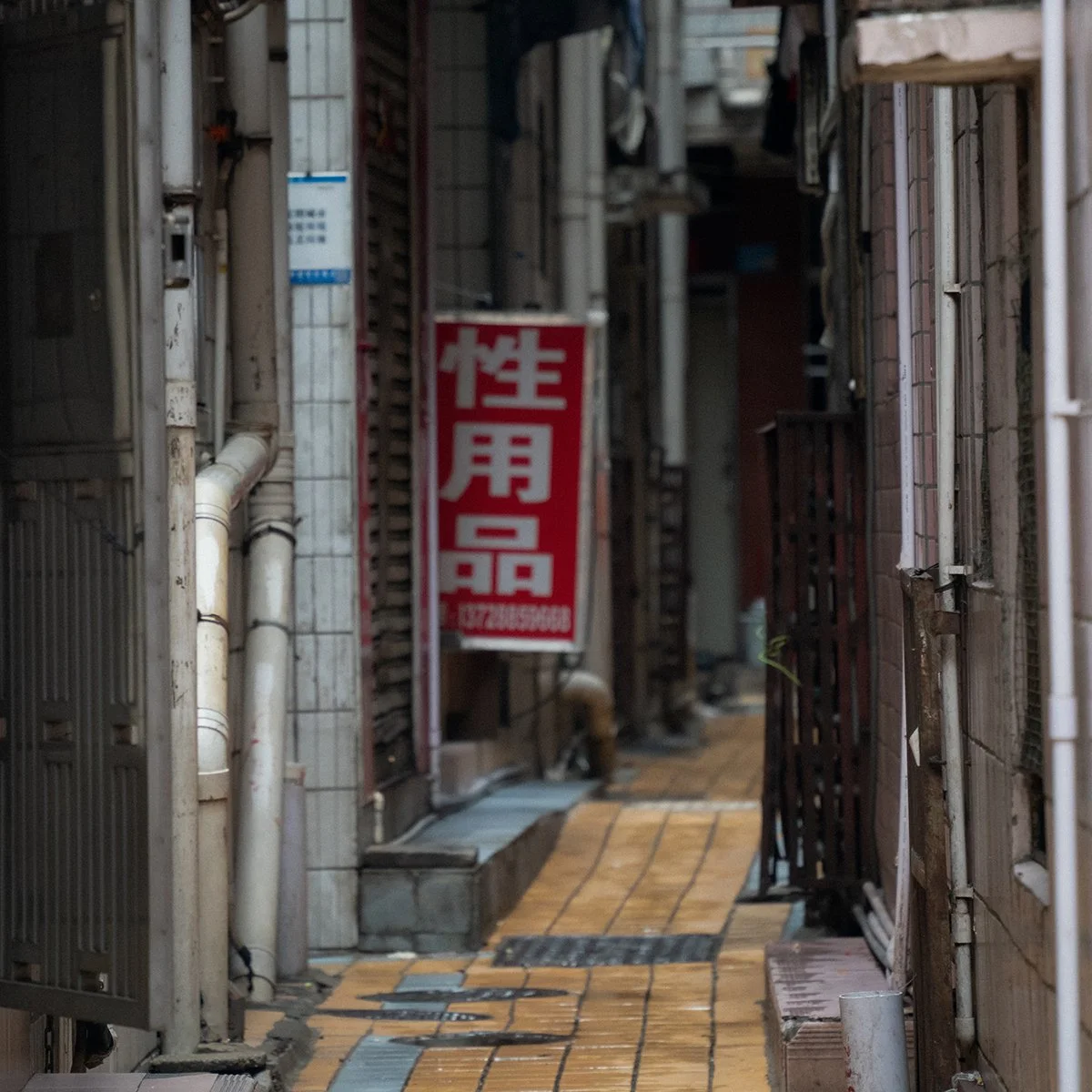
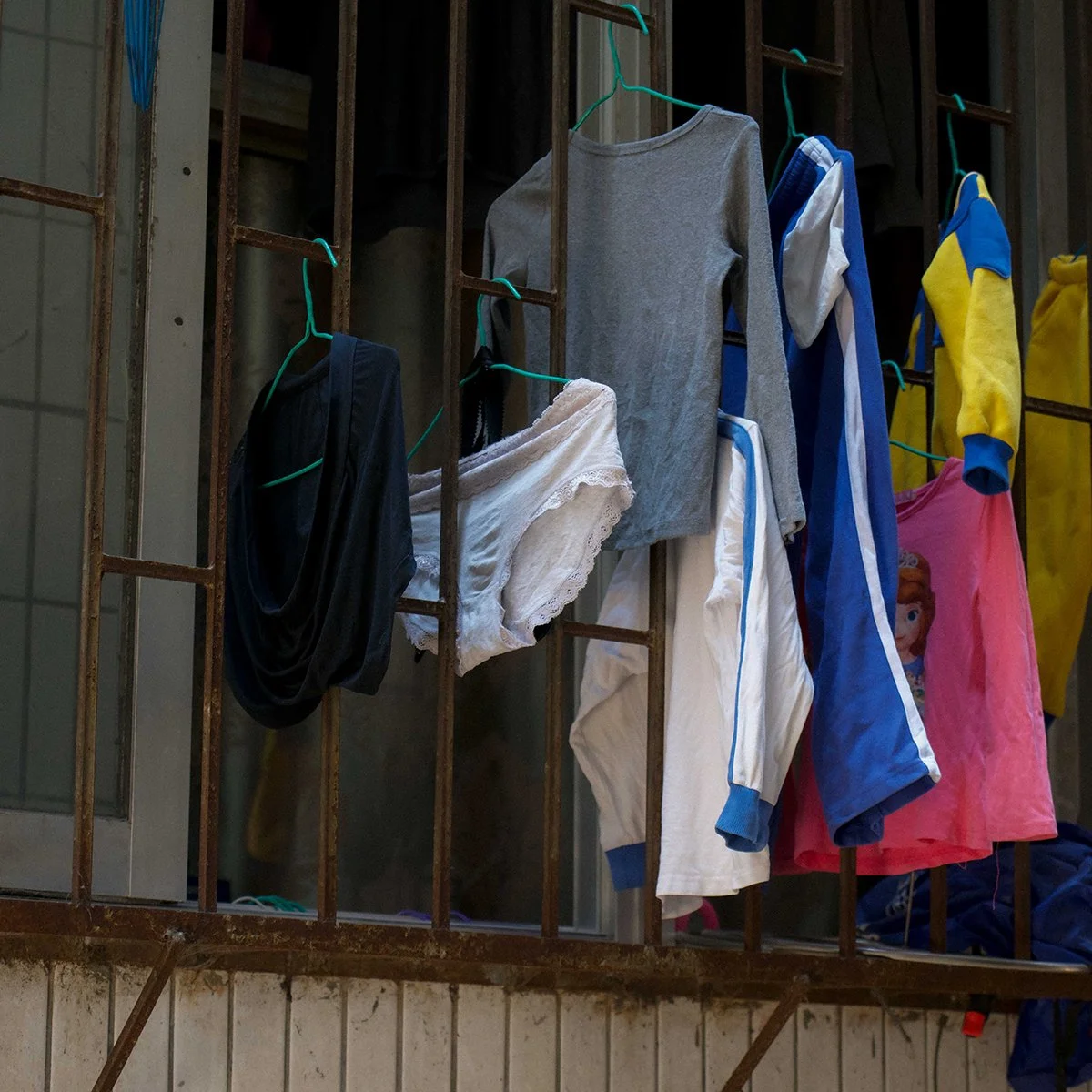
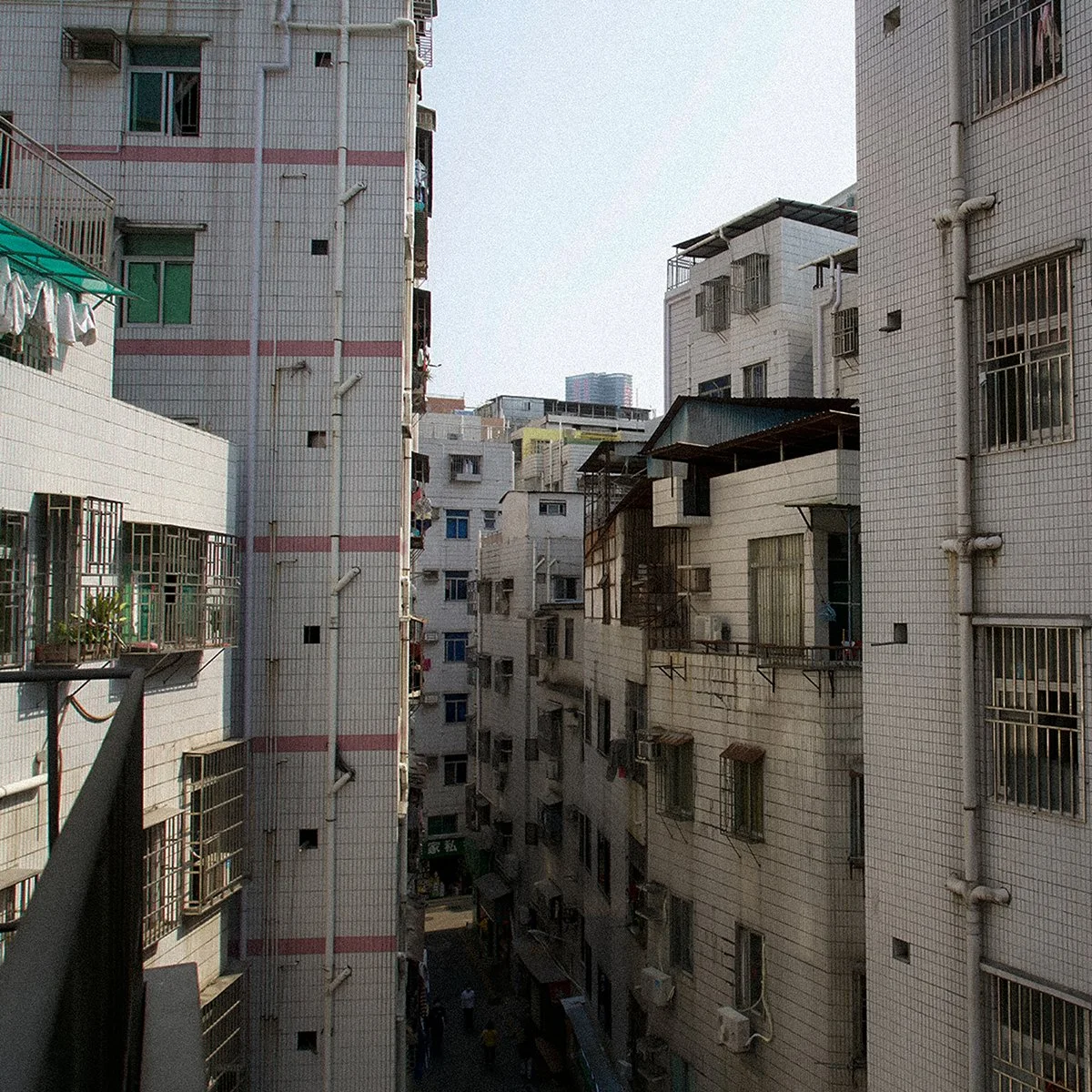
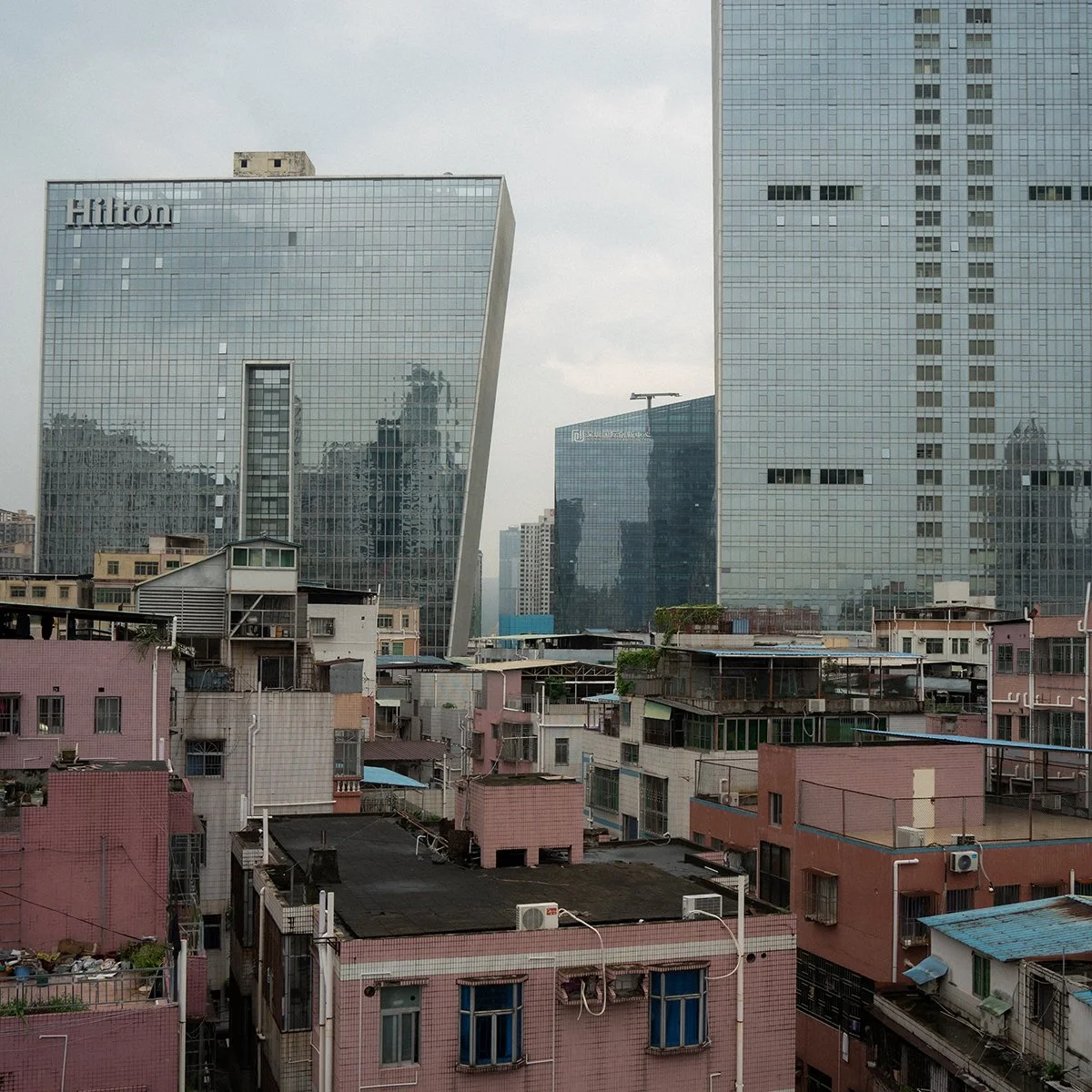
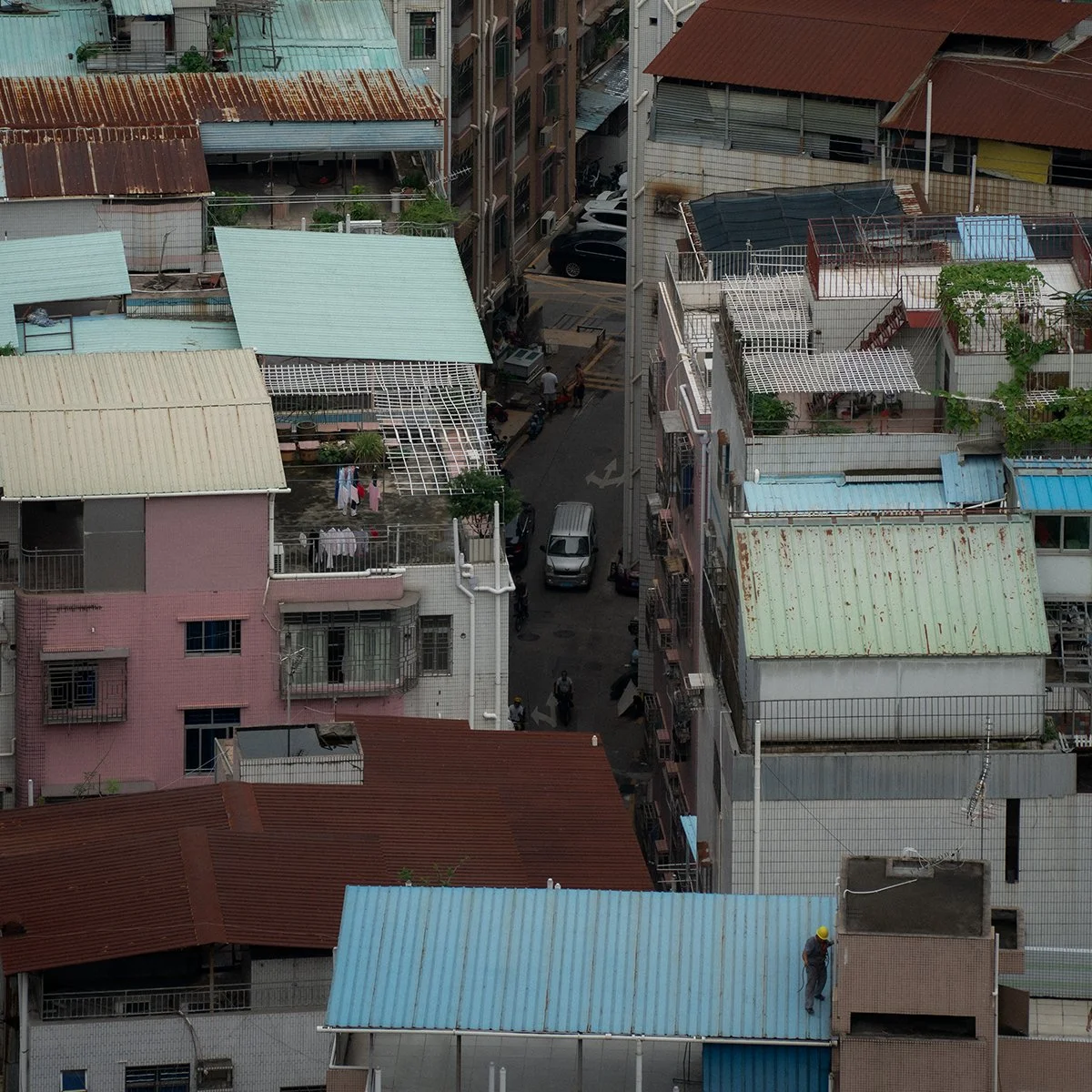
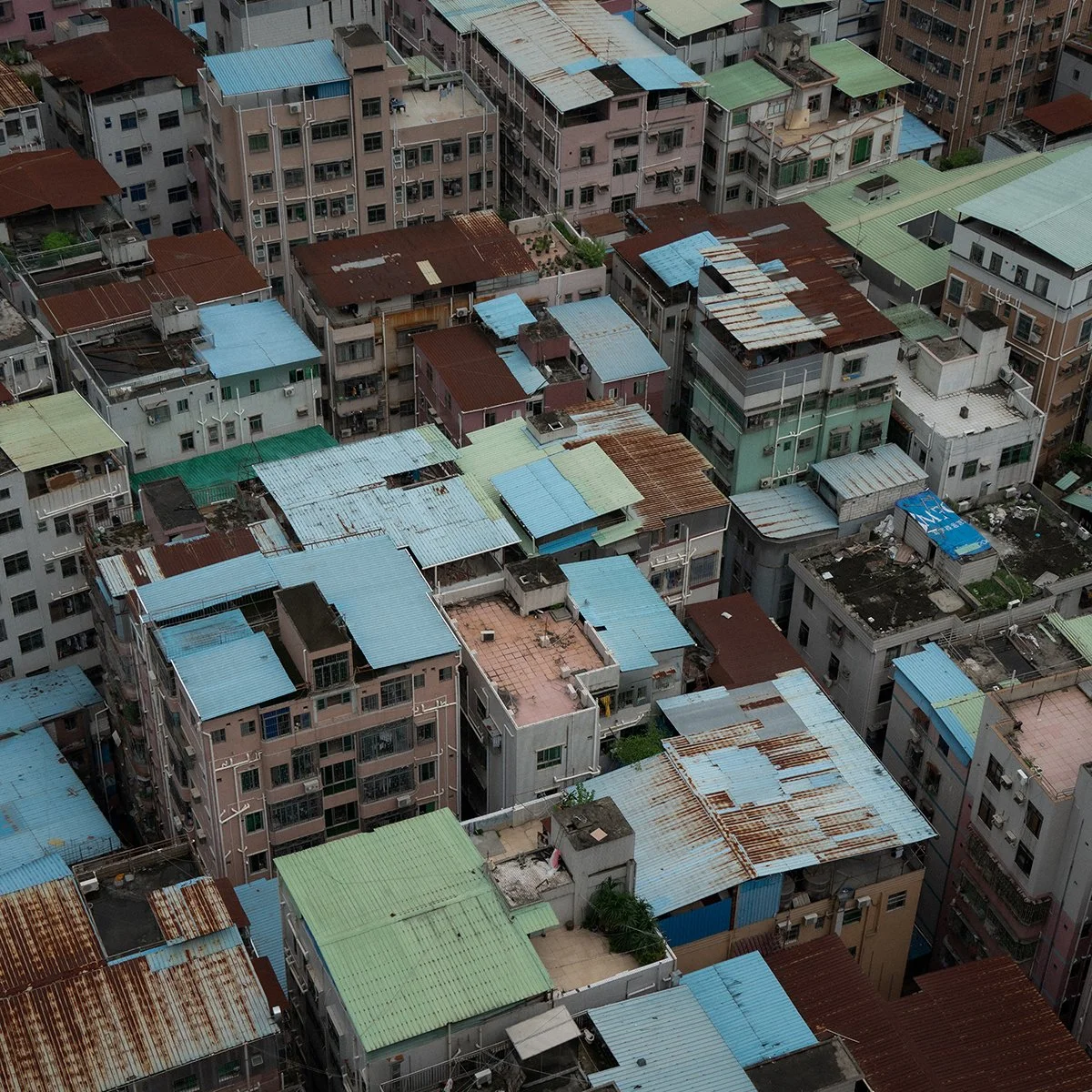
Gangxia Village, Shenzhen
I started street photography after moving from Shanghai to Shenzhen in 2015.
These photographs were taken in Gangxia Village in 2021, an urban village sitting beside the glass towers of Futian CBD.
Originally a Hakka settlement, the area later became home to large numbers of migrant workers arriving in Shenzhen.
I was interested in the density, the temporary feeling of the place and the rhythm of people constantly arriving and leaving.
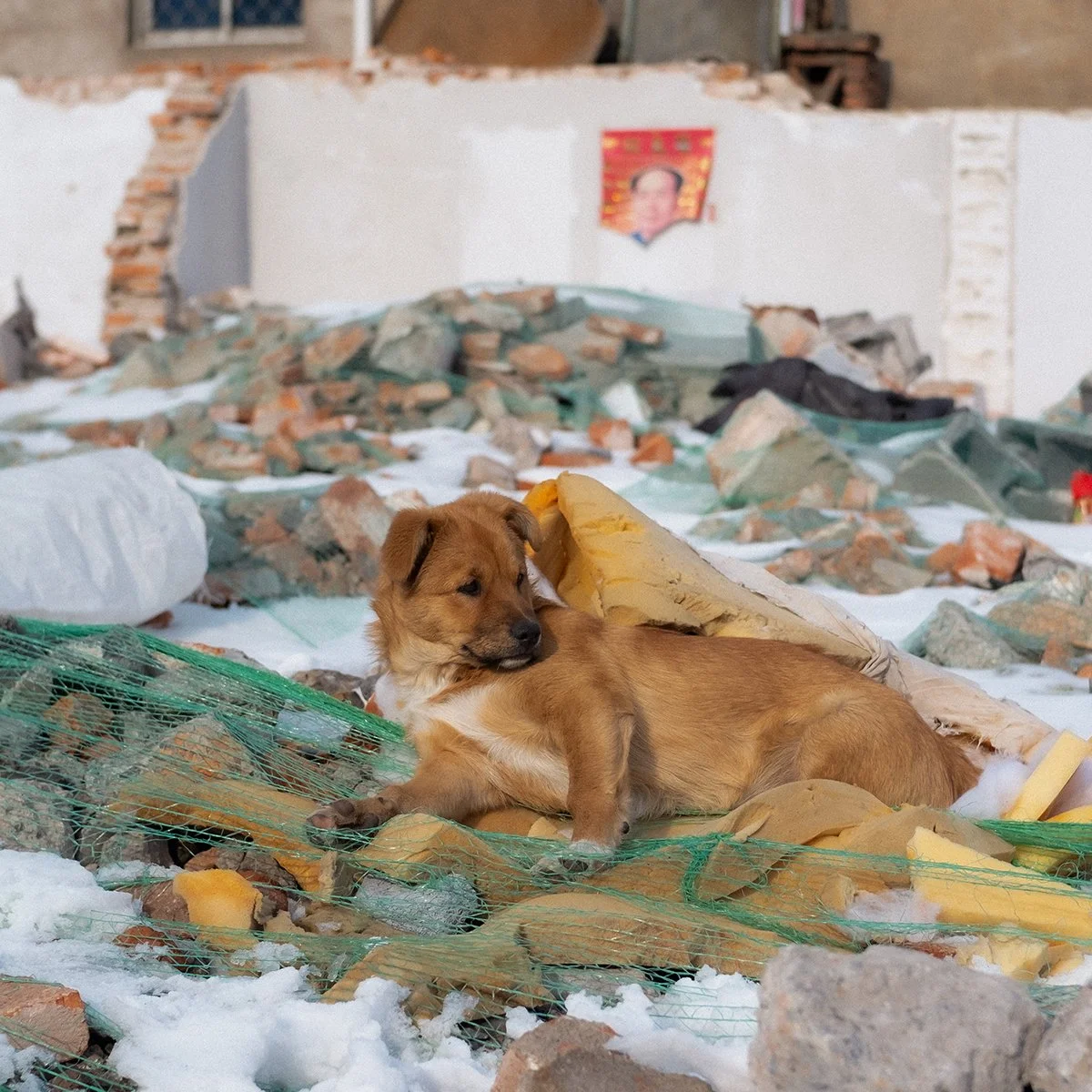
Old Home by the Moat, Linyi
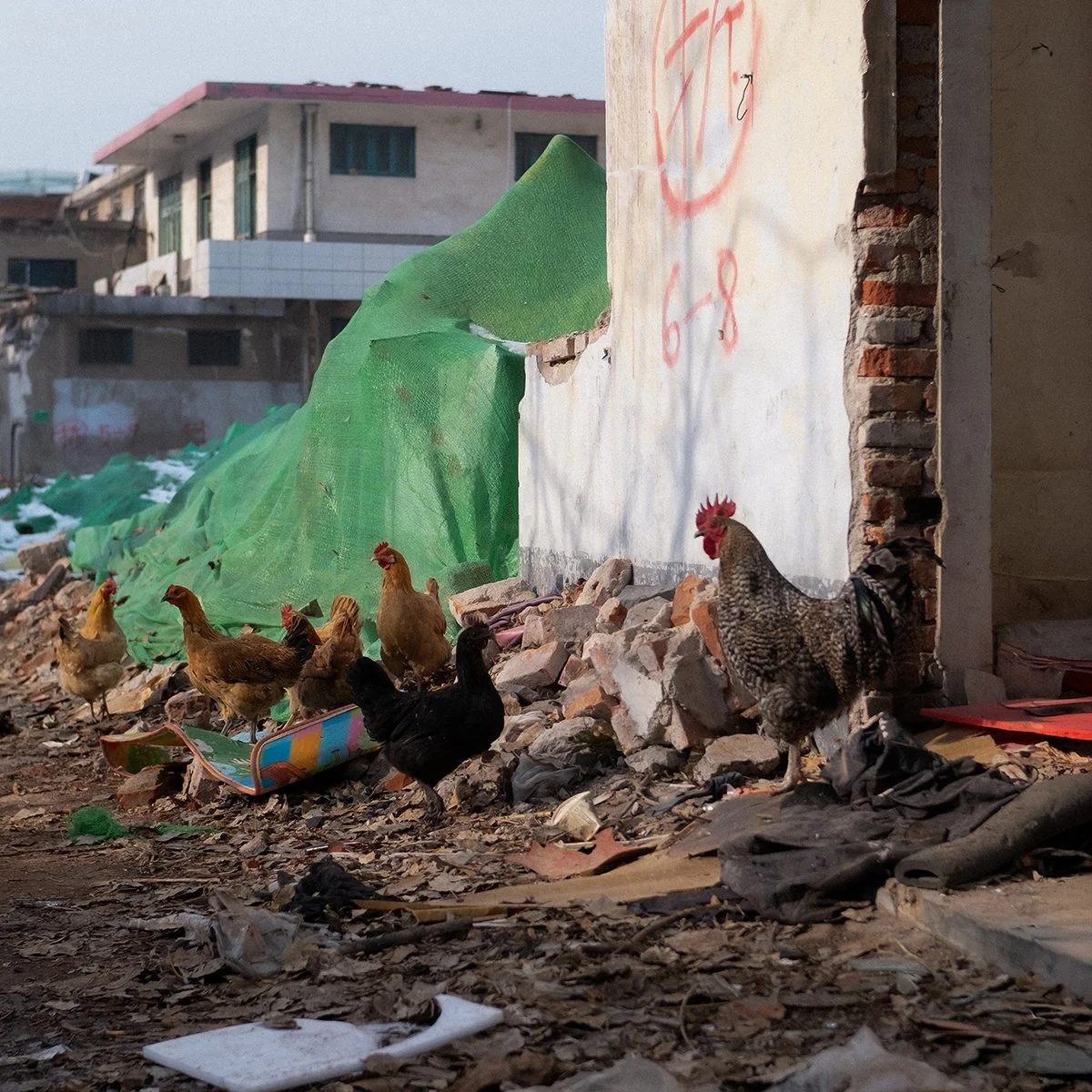
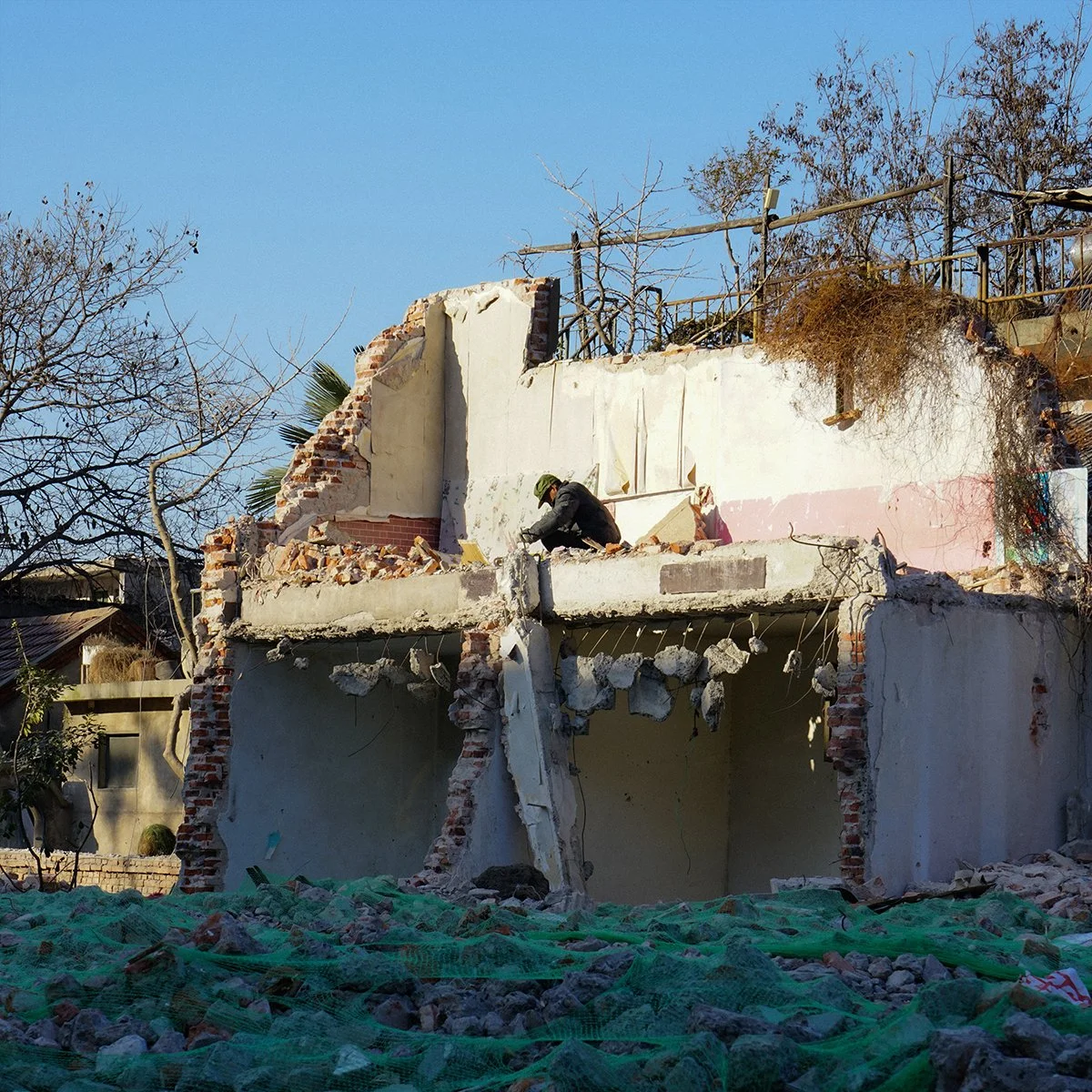
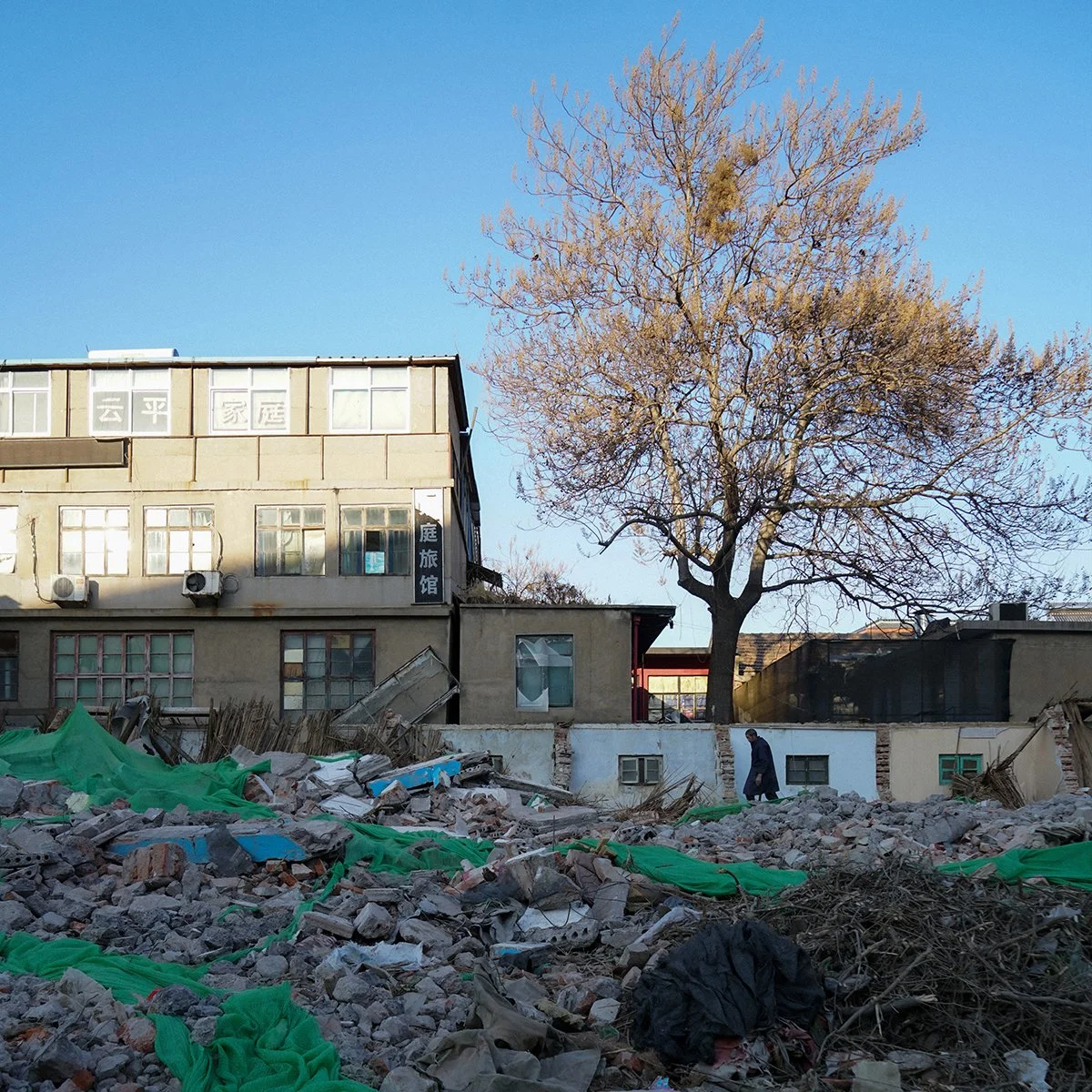
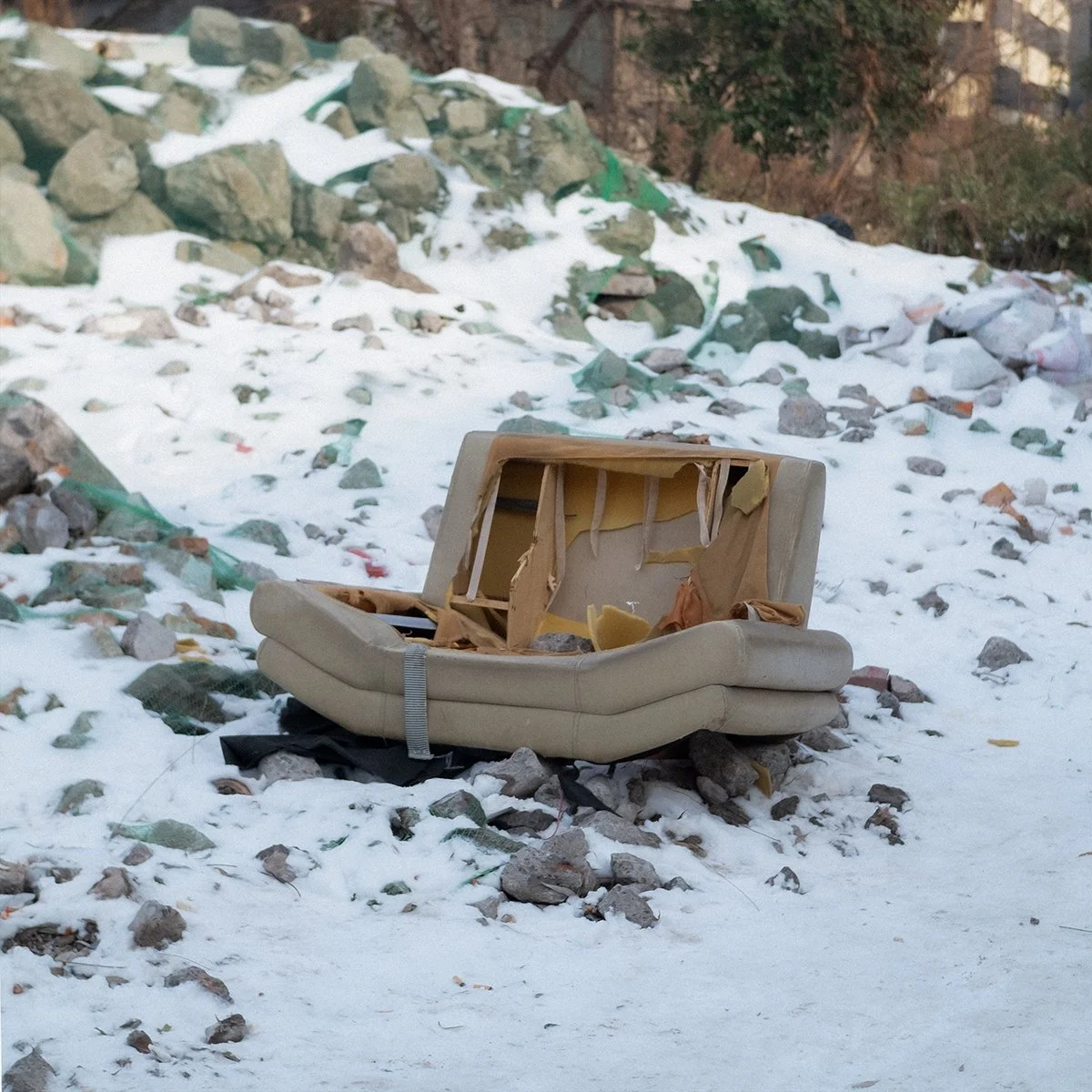
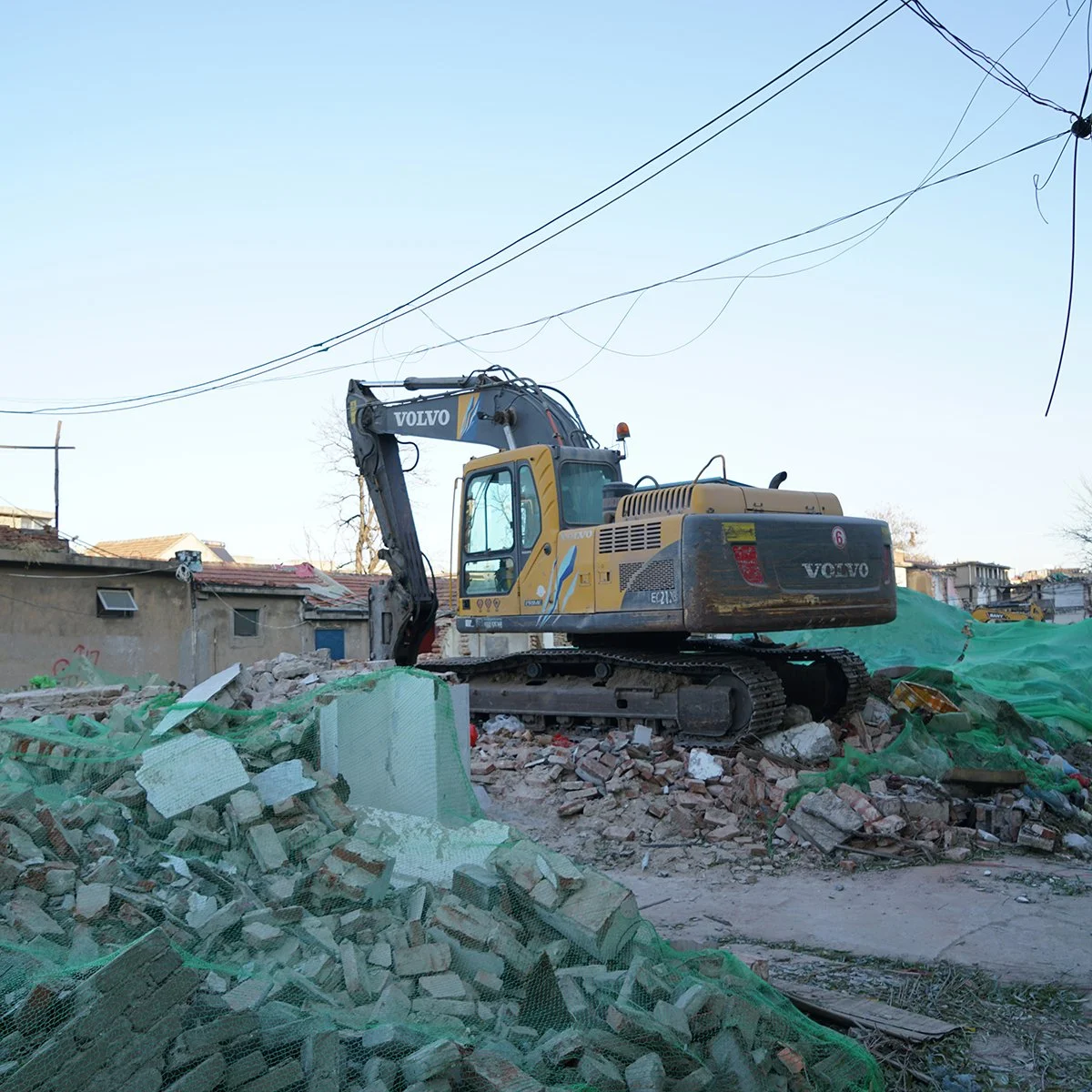
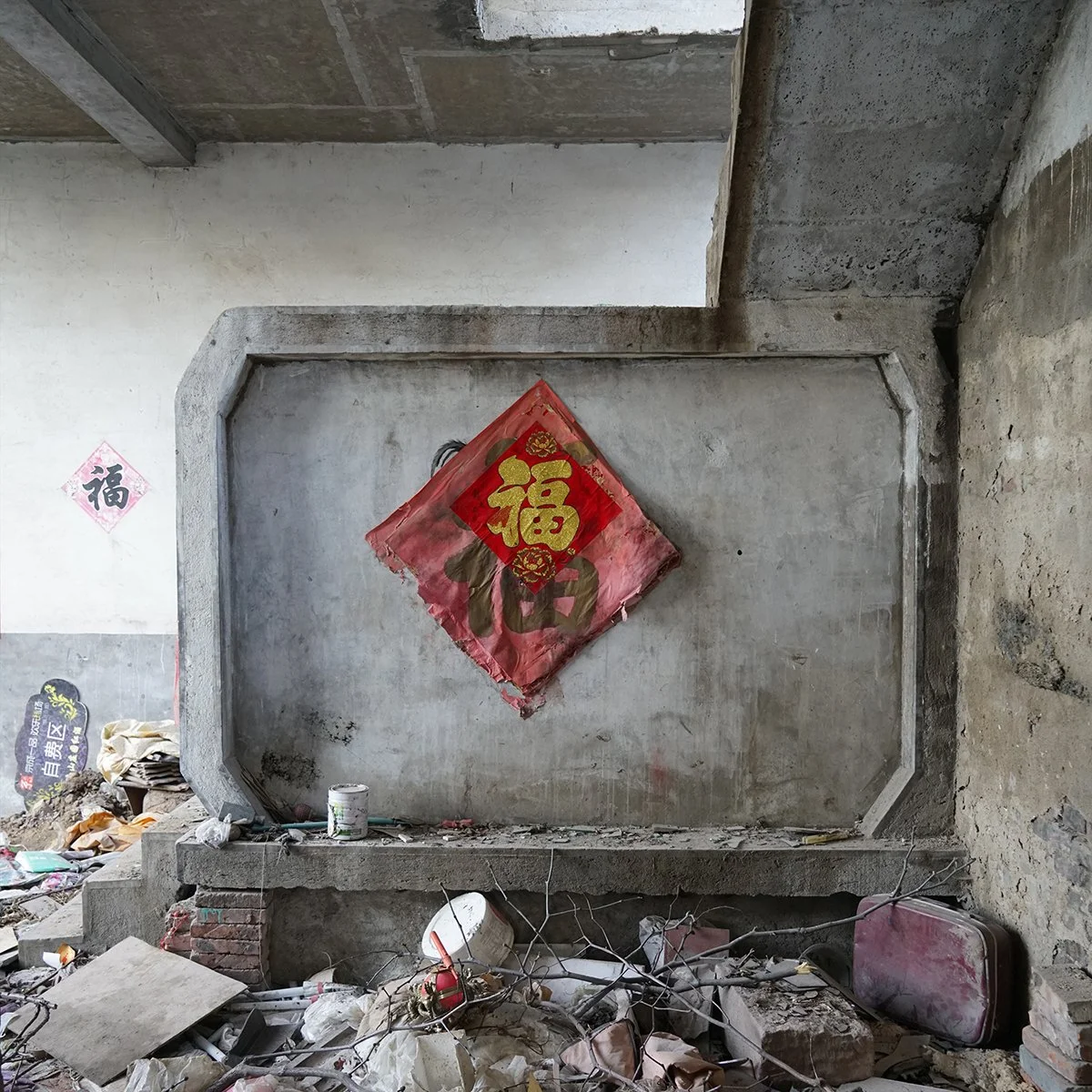
These photographs were taken during the demolition of the old moat area in Linyi in 2020 and 2021, near where my family has lived for generations.
I kept returning to photograph the area as it slowly changed.
The project is less about nostalgia than about observing what remains inside a city under constant reconstruction — rubble, empty rooms, temporary spaces, handwritten signs and traces of everyday life.
The city wall is gone, but the moat is still there. So is the idea of home.
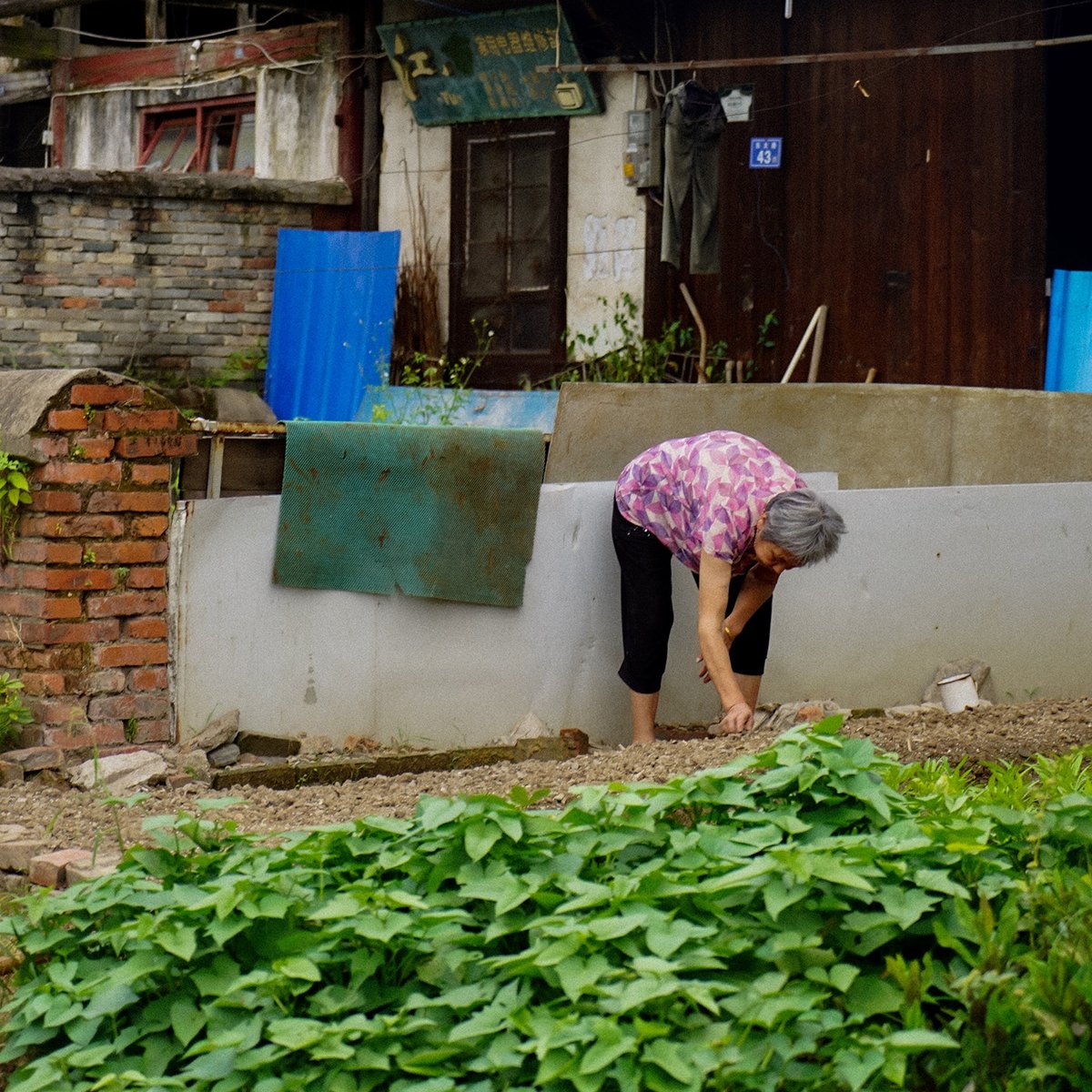
100-Year-Old Dongda Road, Shaxian
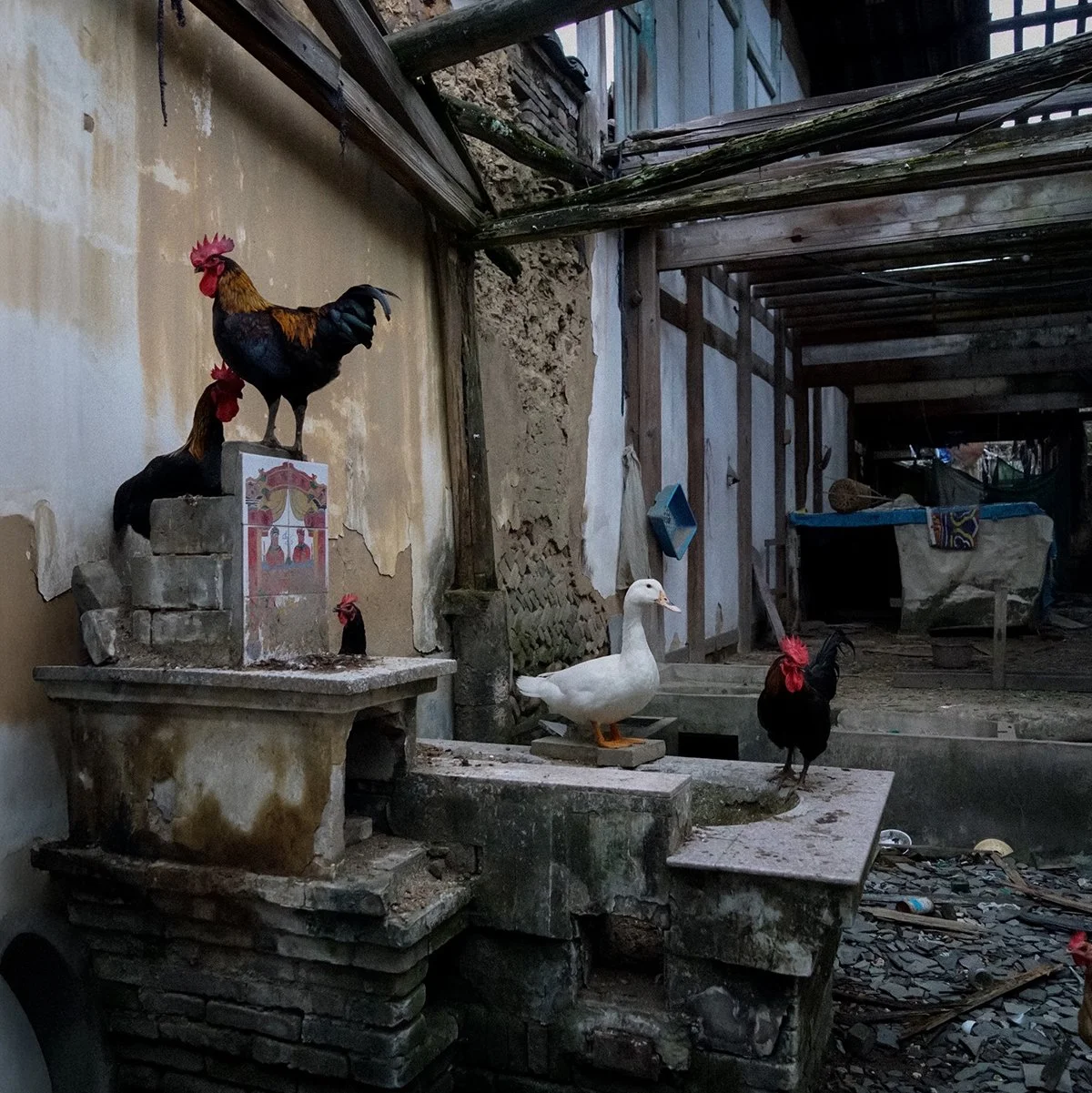
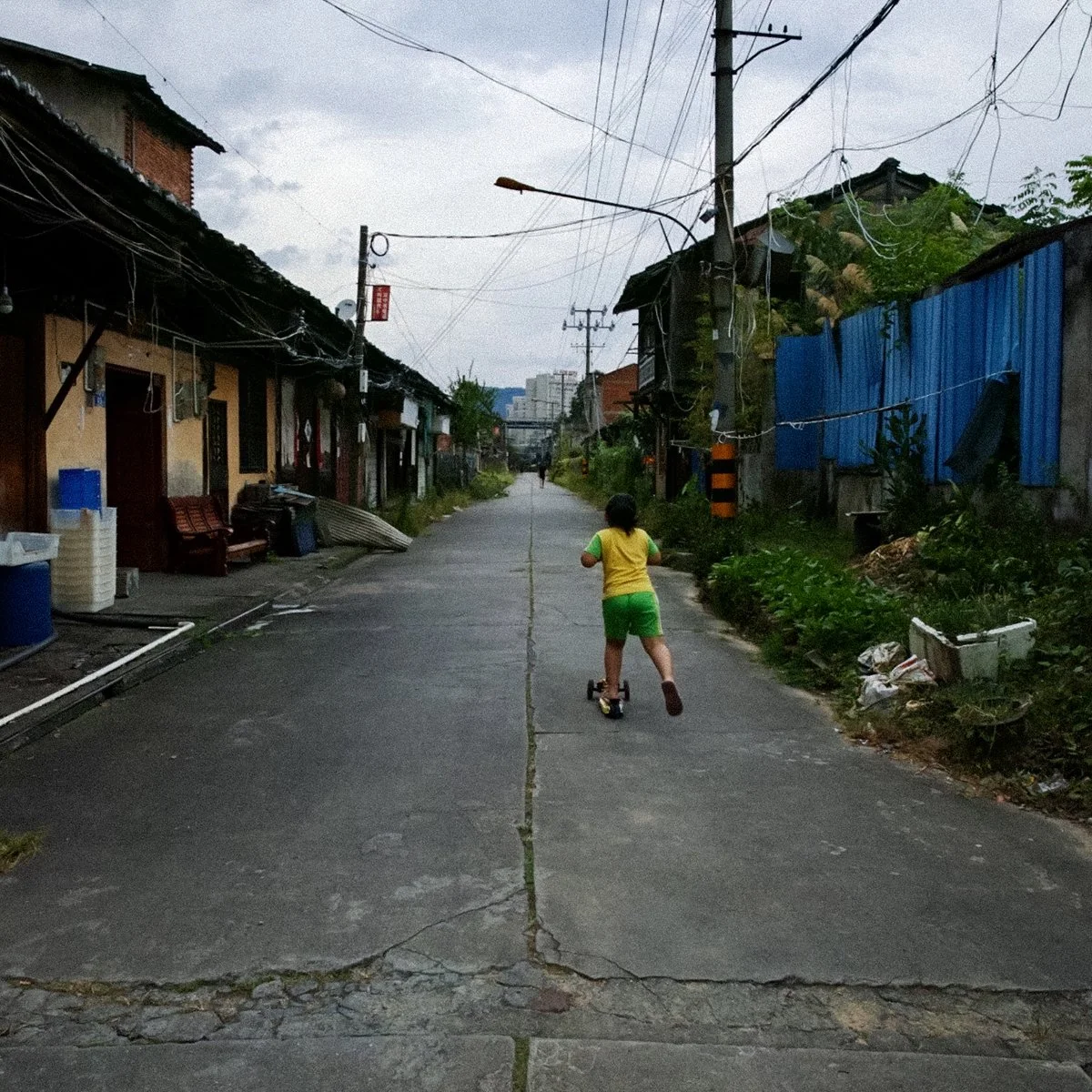
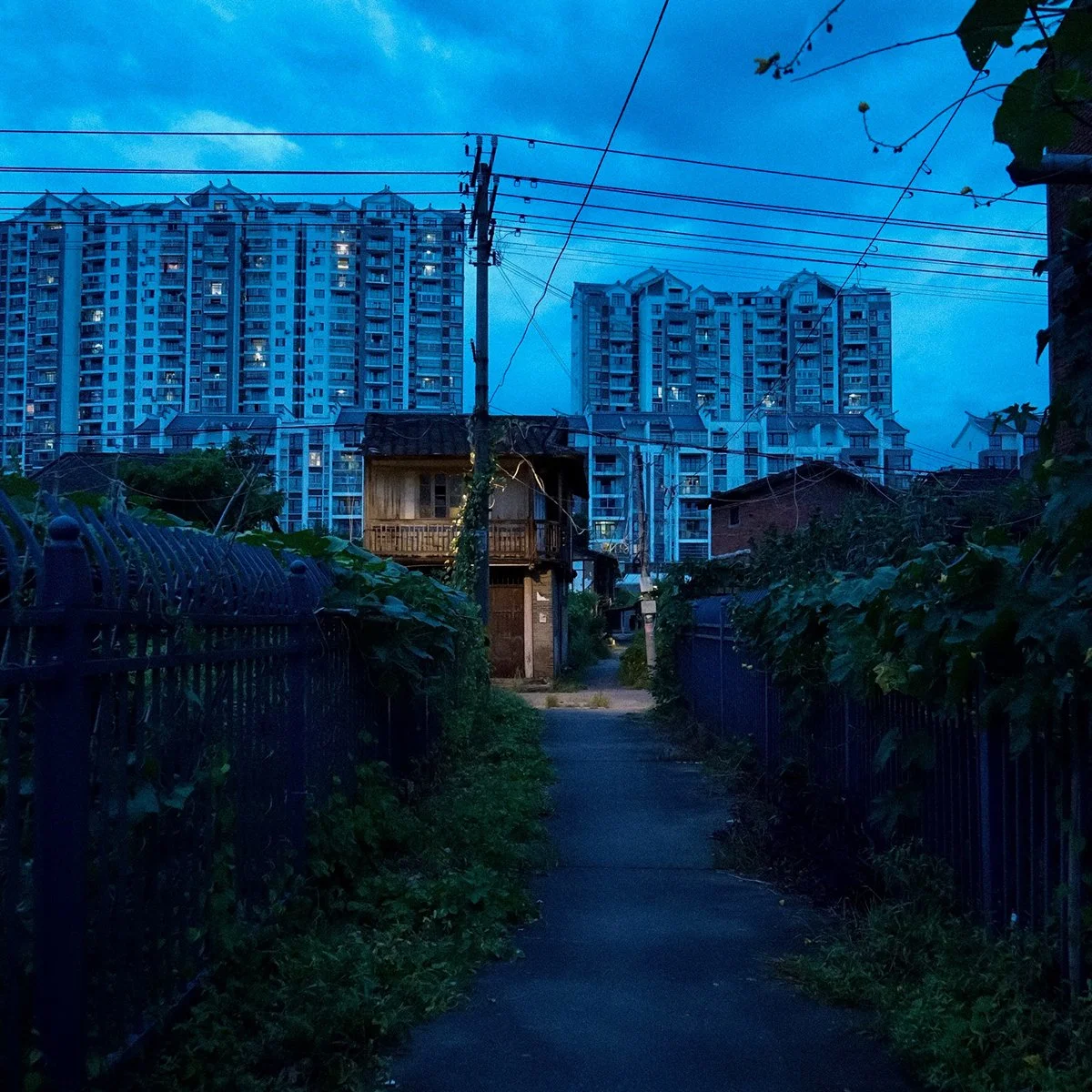
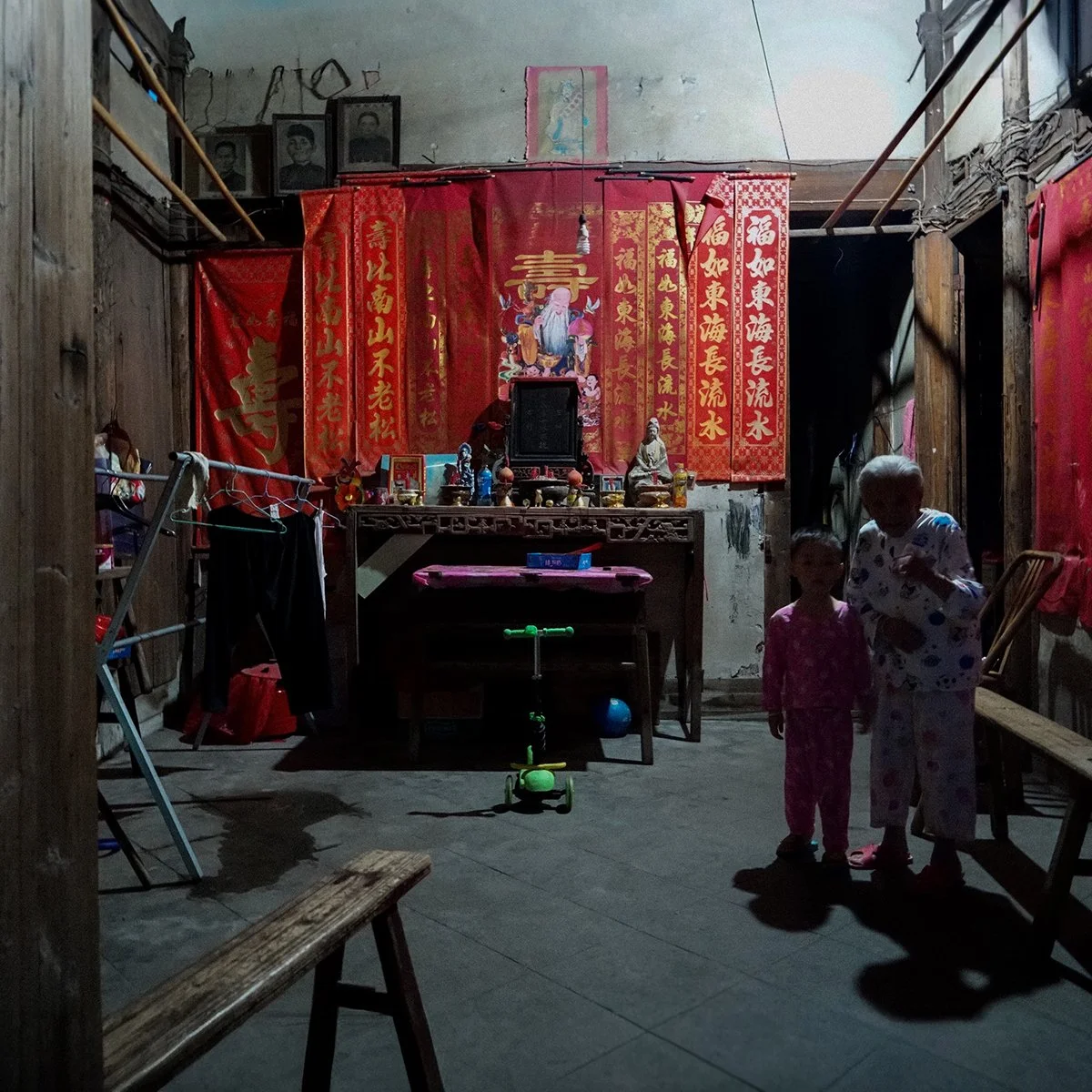
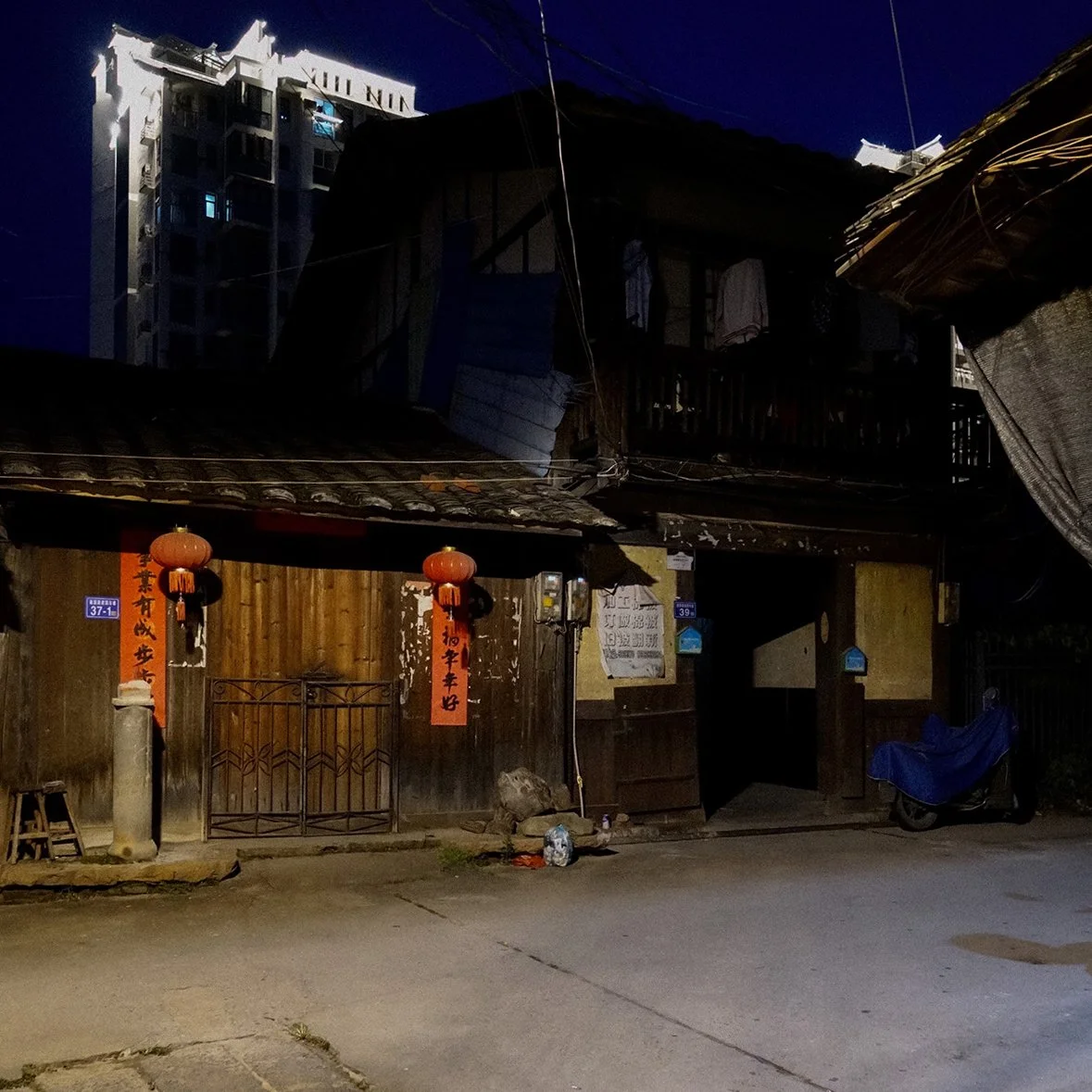
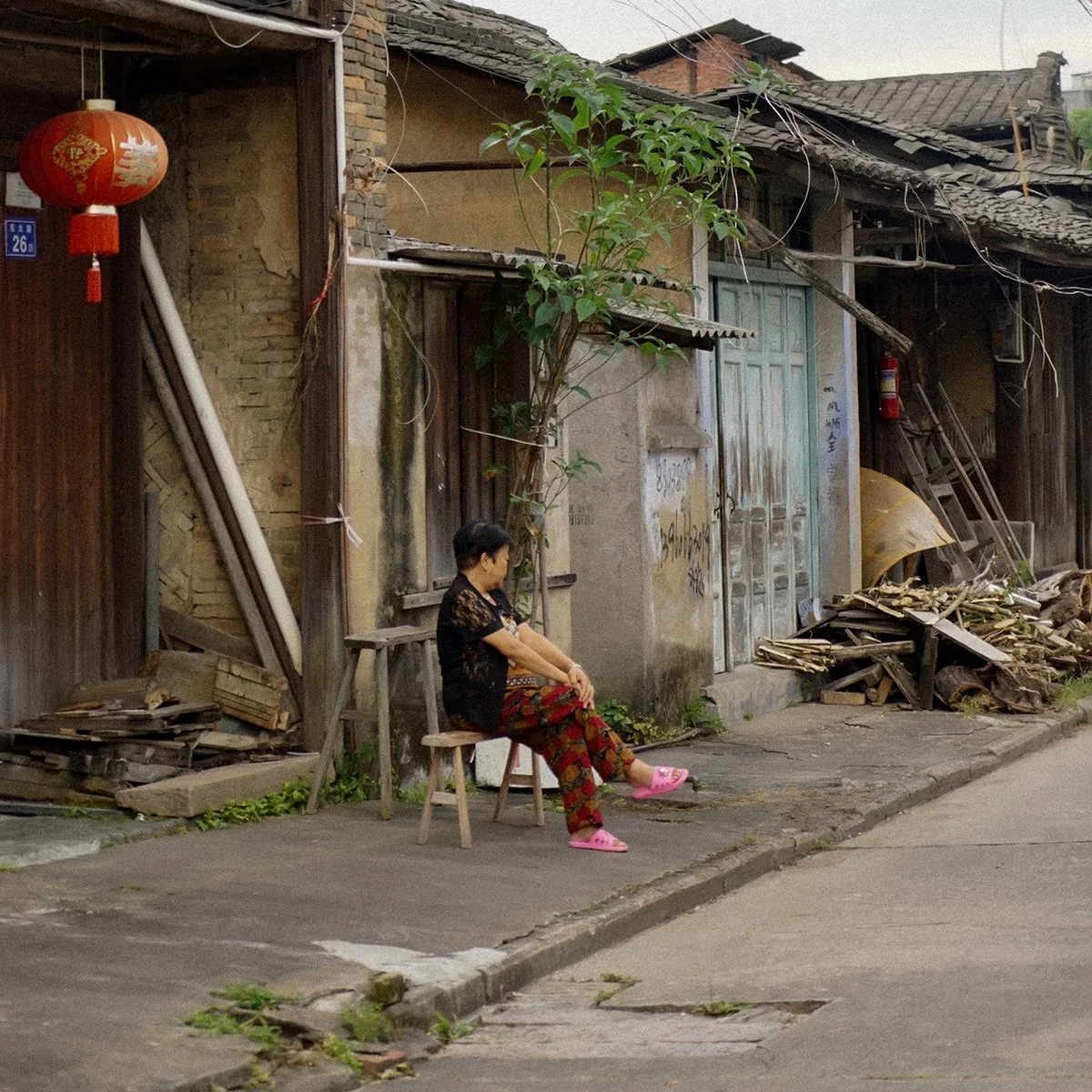
These photographs were taken in Shaxian, Fujian, in 2020. The area was one of the last remaining Qing-dynasty residential neighborhoods on the east side of the city. Most of it has since been demolished for new high-rise developments.
I was lucky to photograph these houses while they were still alive. This series is an attempt to record a disappearing way of life before it quietly vanished.
![02 ]新场街拍57.4-2.jpg](https://images.squarespace-cdn.com/content/v1/69b04e96ddab2138c7126176/ff50a1c1-7720-4504-bab6-20f5948efc1f/02+%5D%E6%96%B0%E5%9C%BA%E8%A1%97%E6%8B%8D57.4-2.jpg)
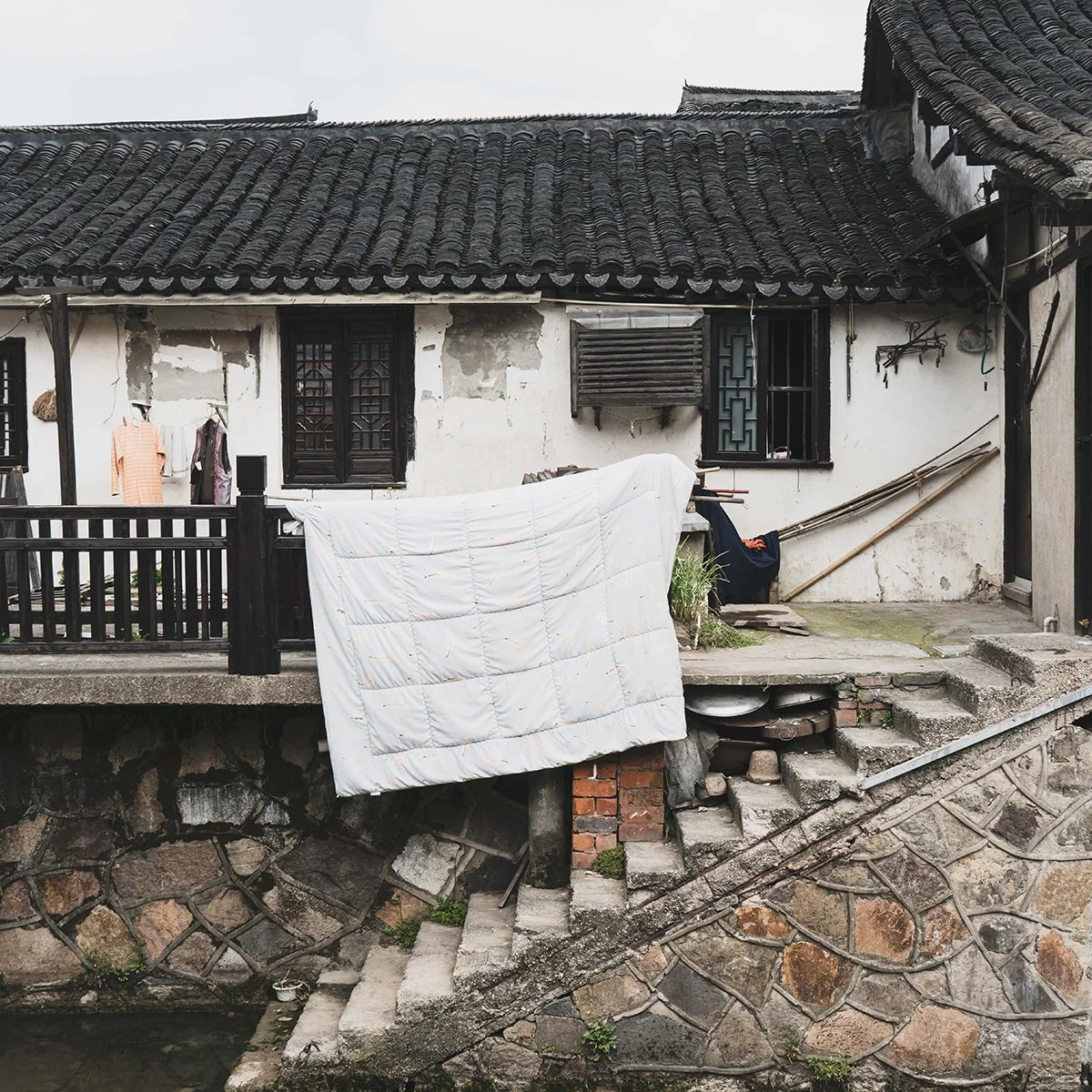
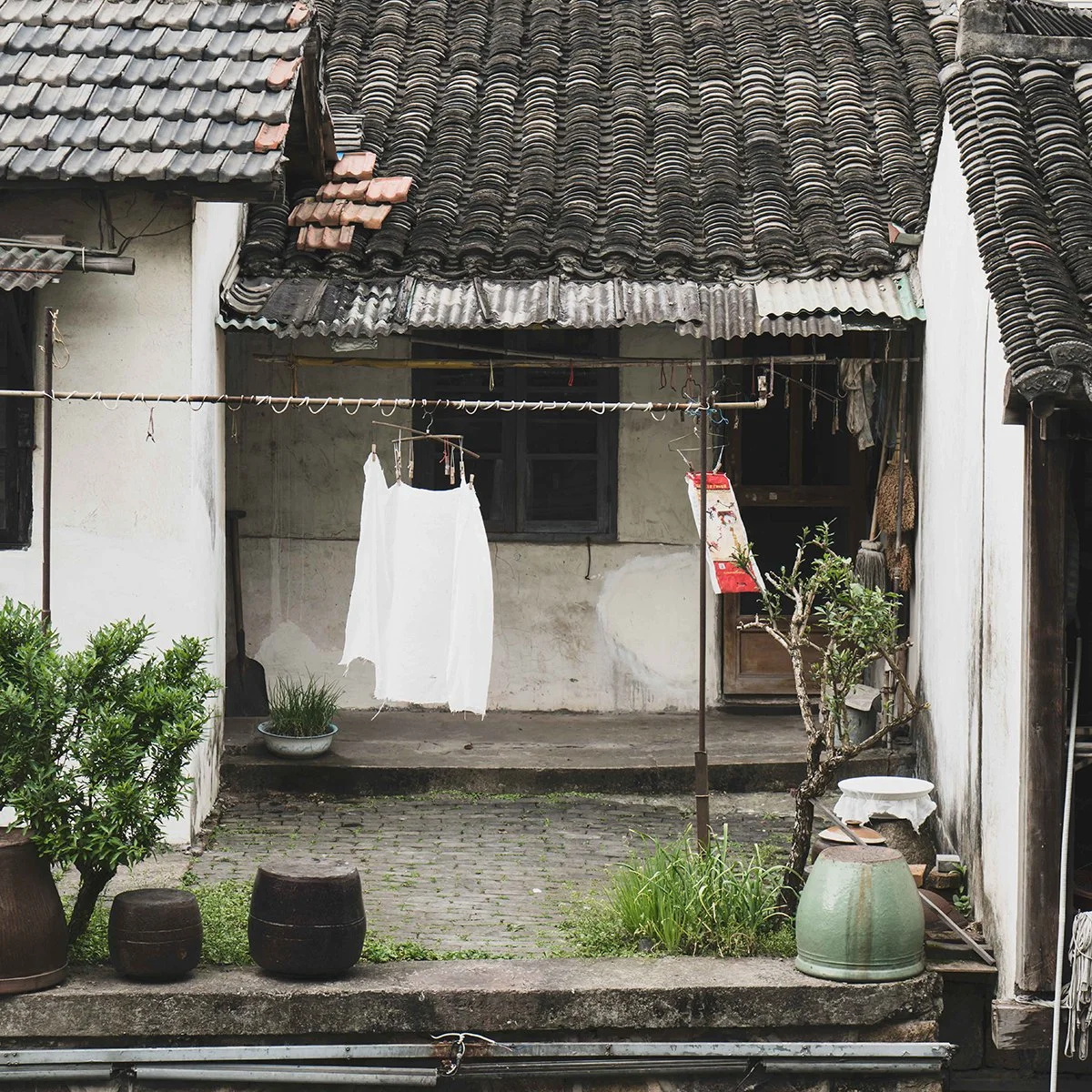
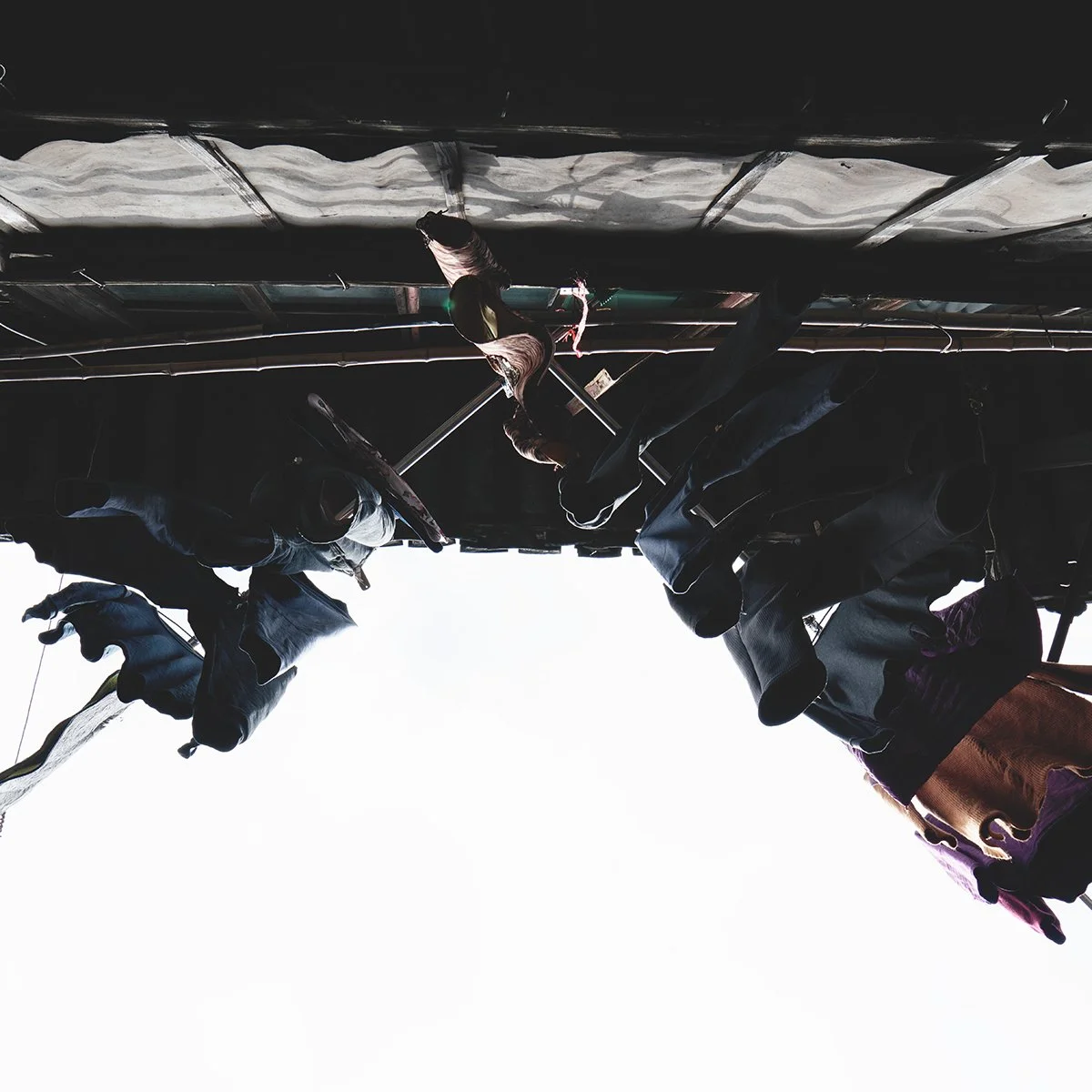
Washings Over Xinchang, Shanghai
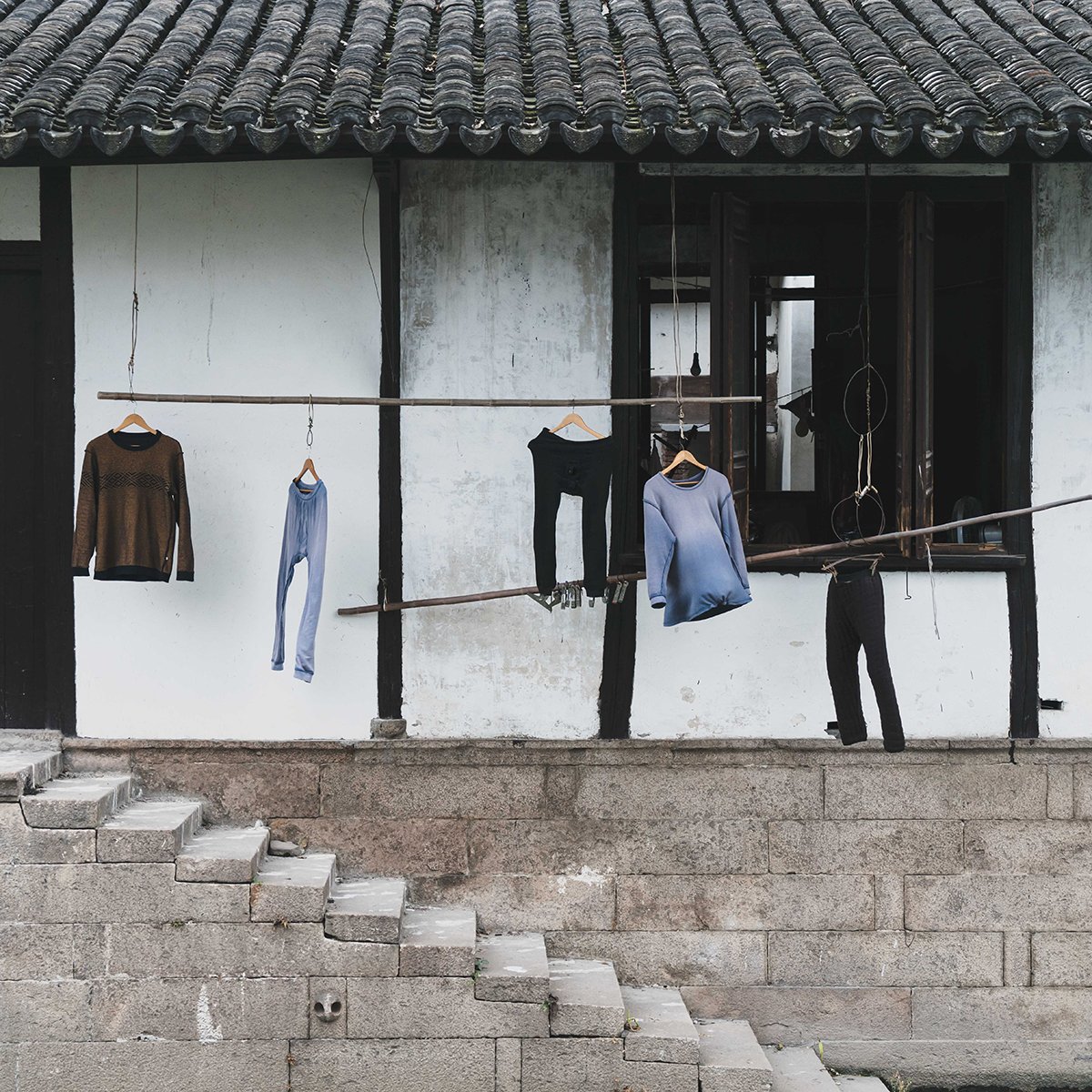
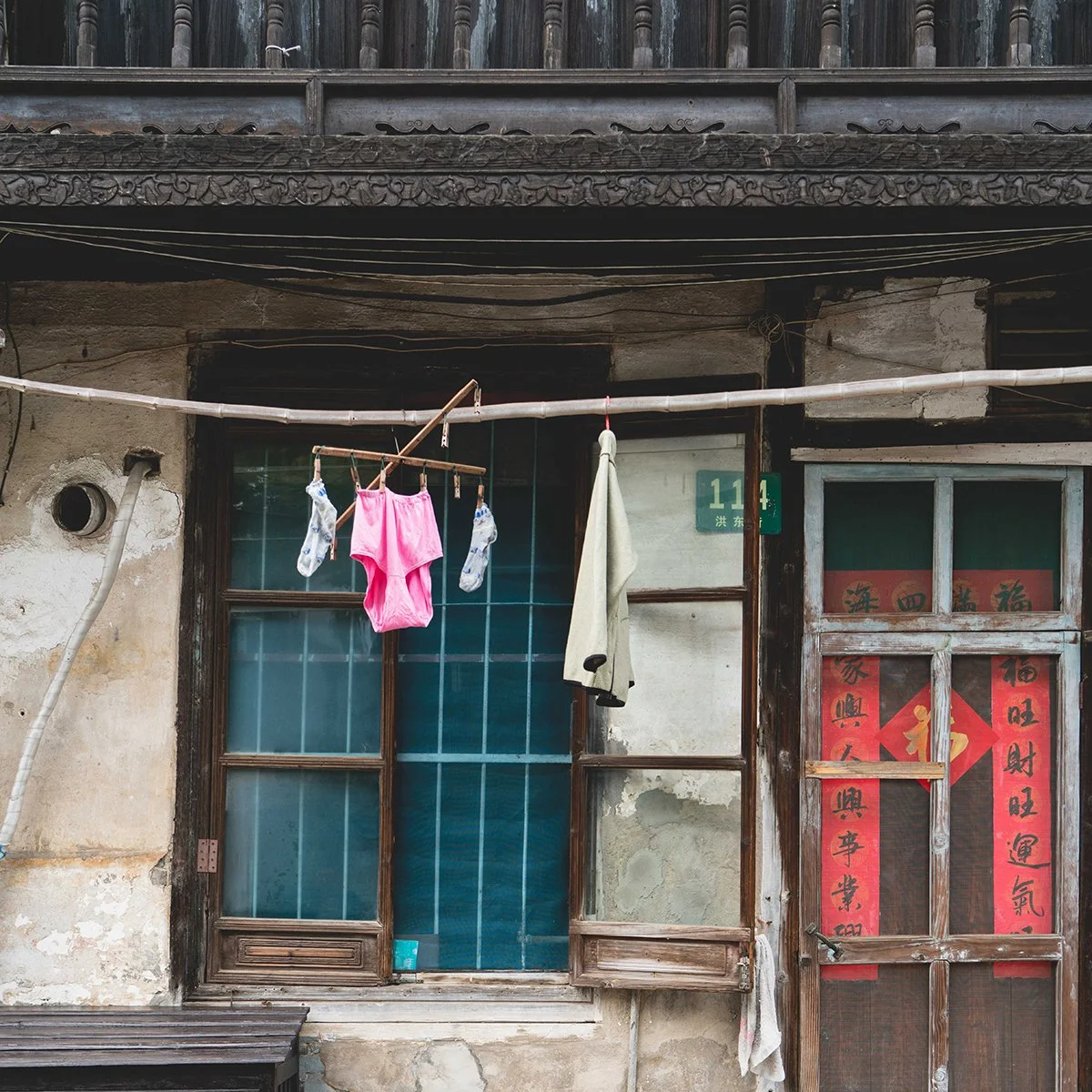
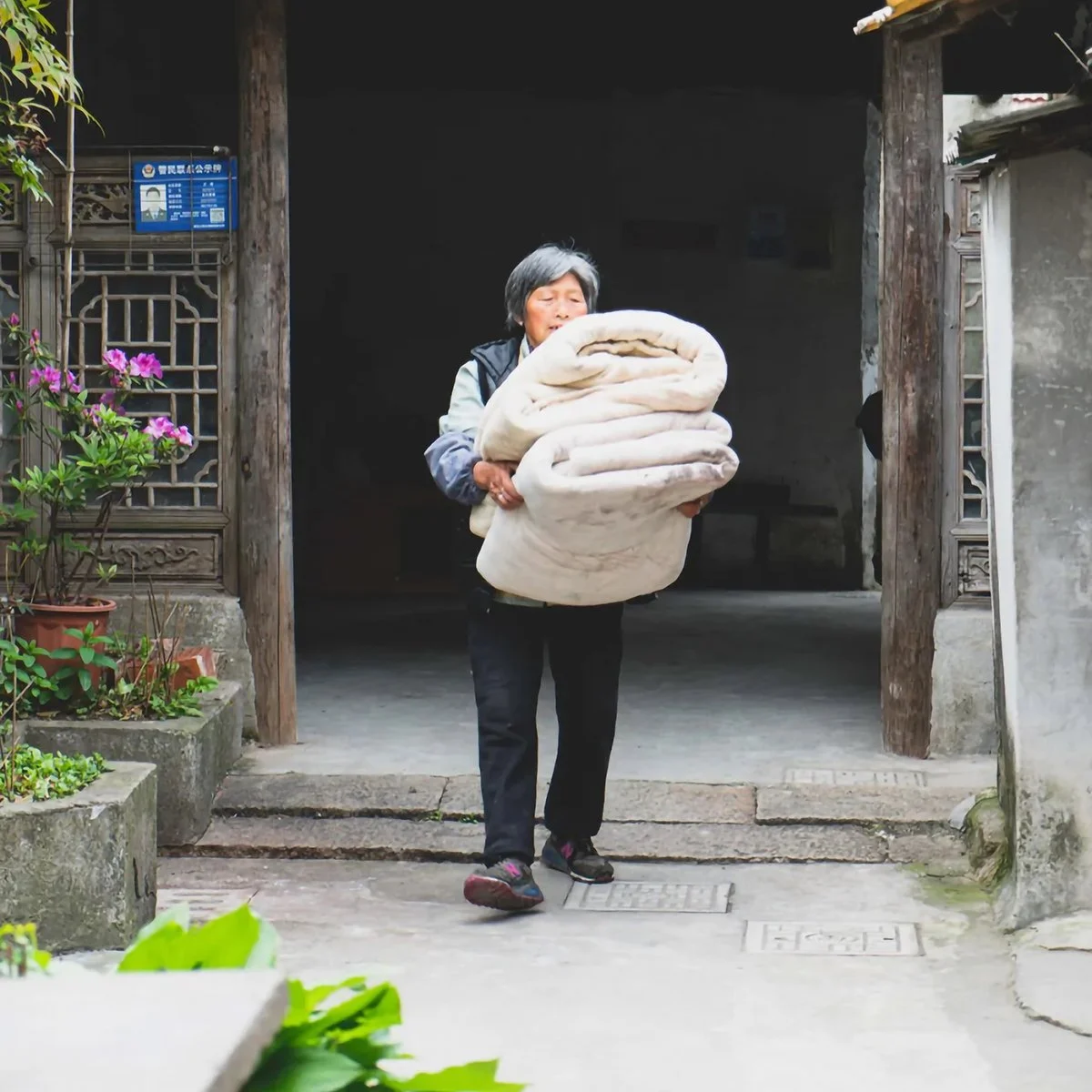
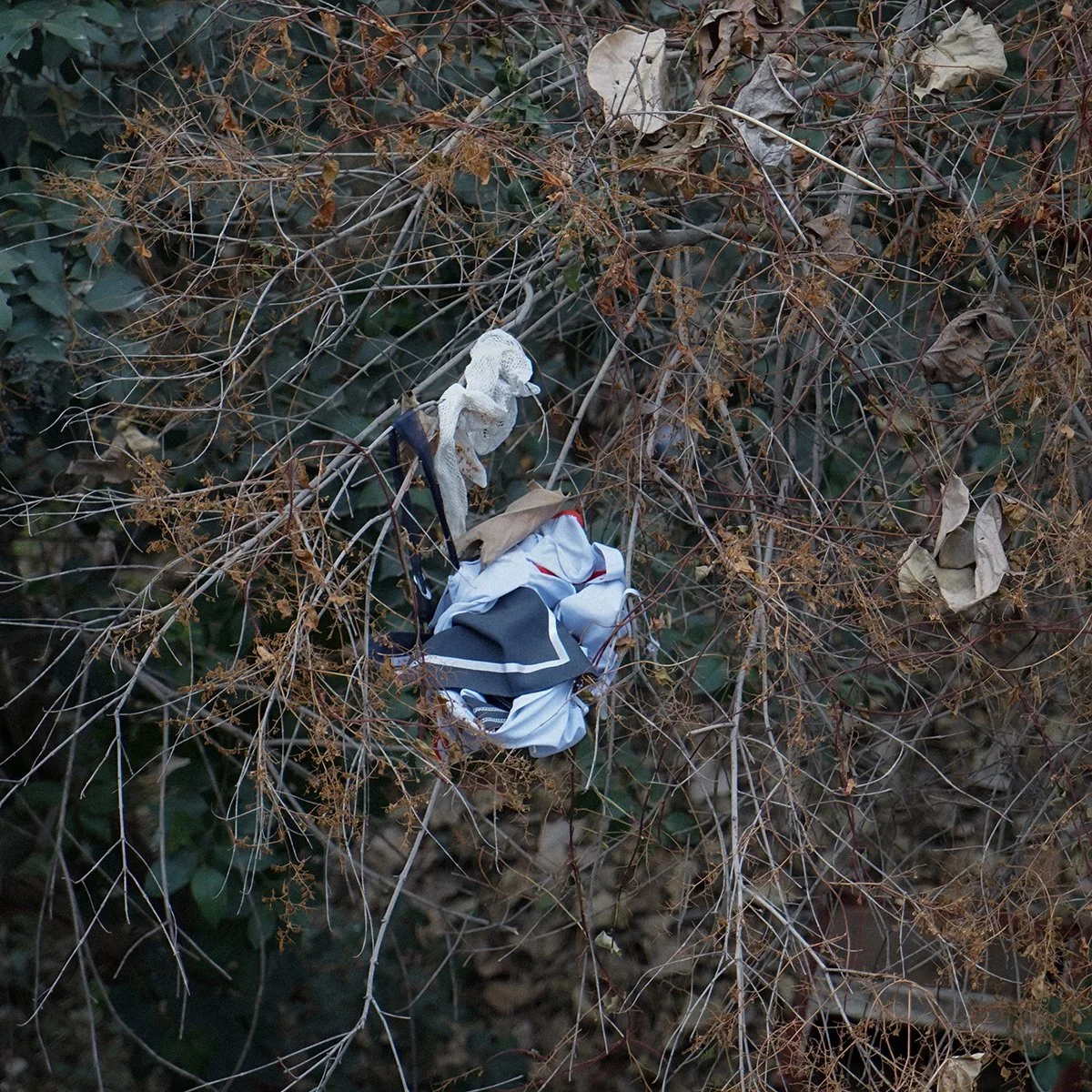
I first visited Xinchang town in 2021 and kept returning over the following years. What attracted me most was the washings hanging beneath the old rooftops.
In China, everyday life often remains visible to neighbours and strangers alike. For me, these hanging clothes became a quiet portrait of collective living inside an old town slowly changing.
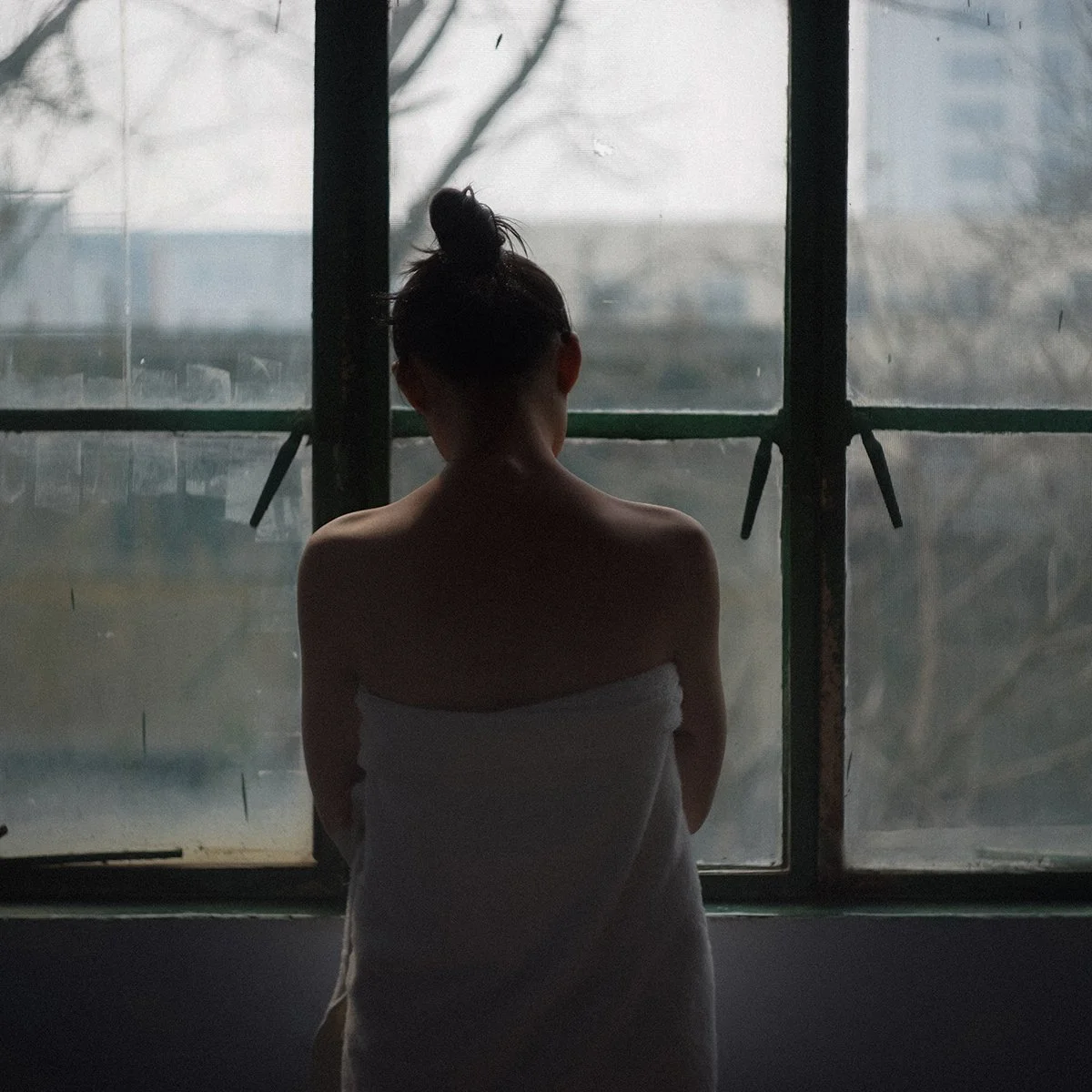
Municipal Compound Studio, Linyi
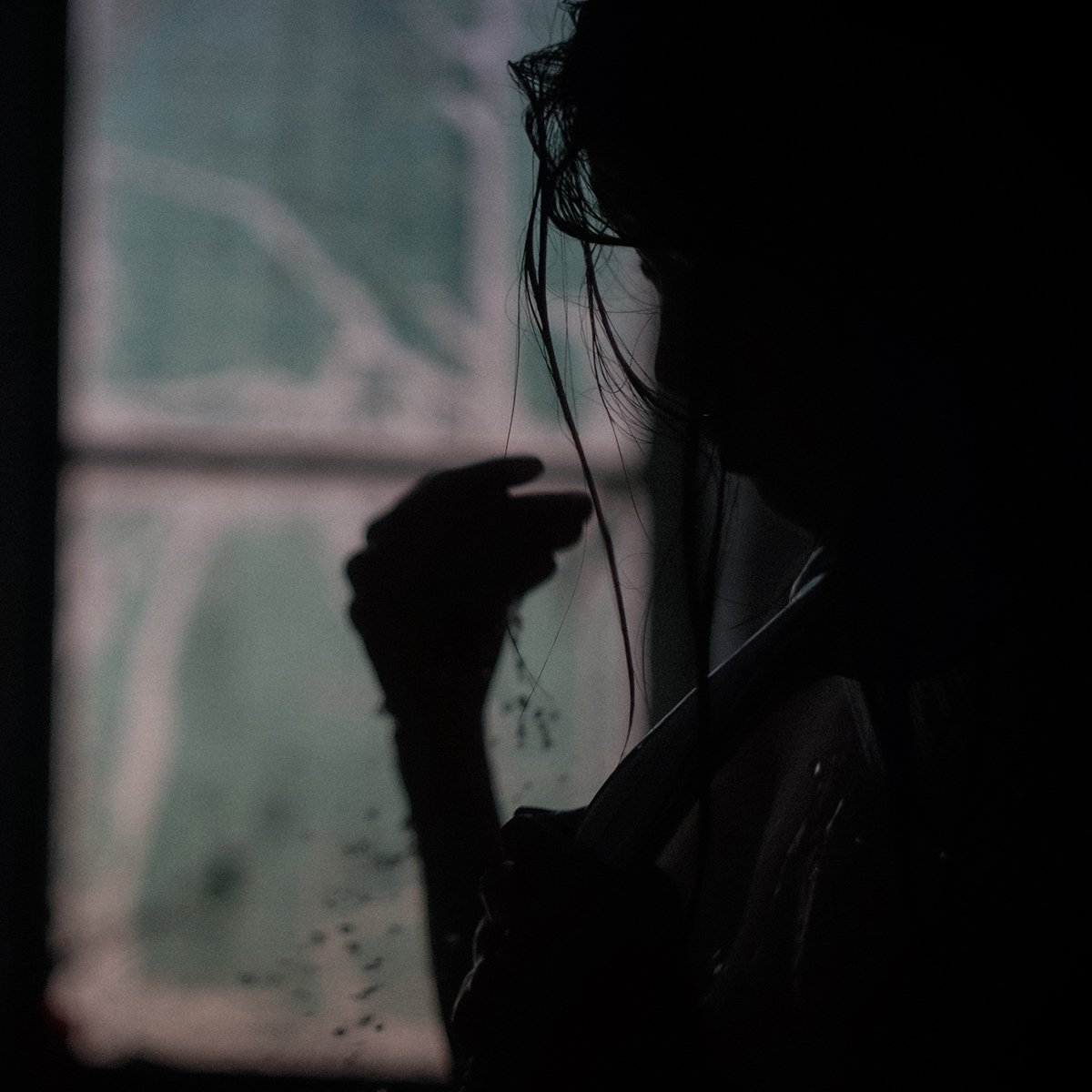
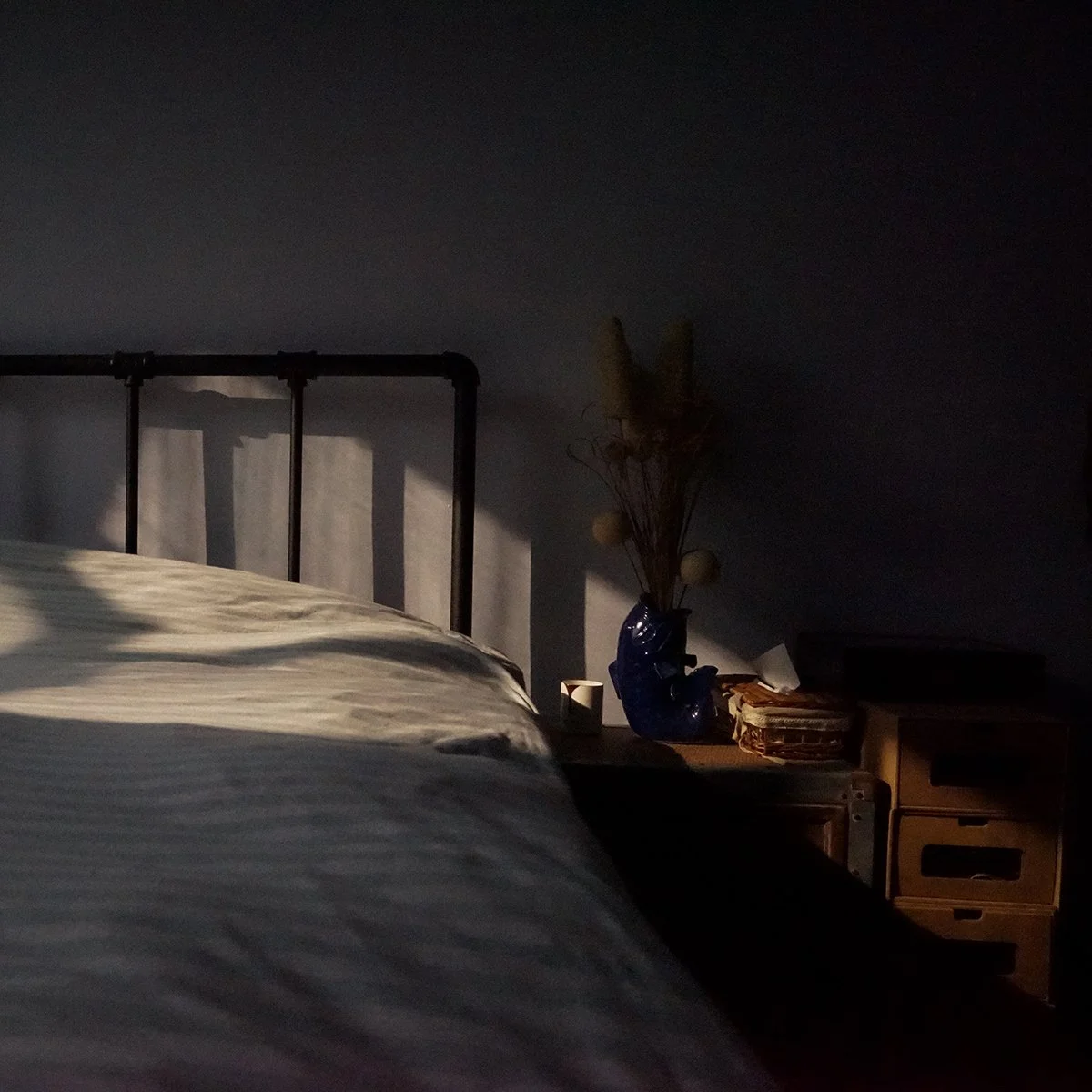
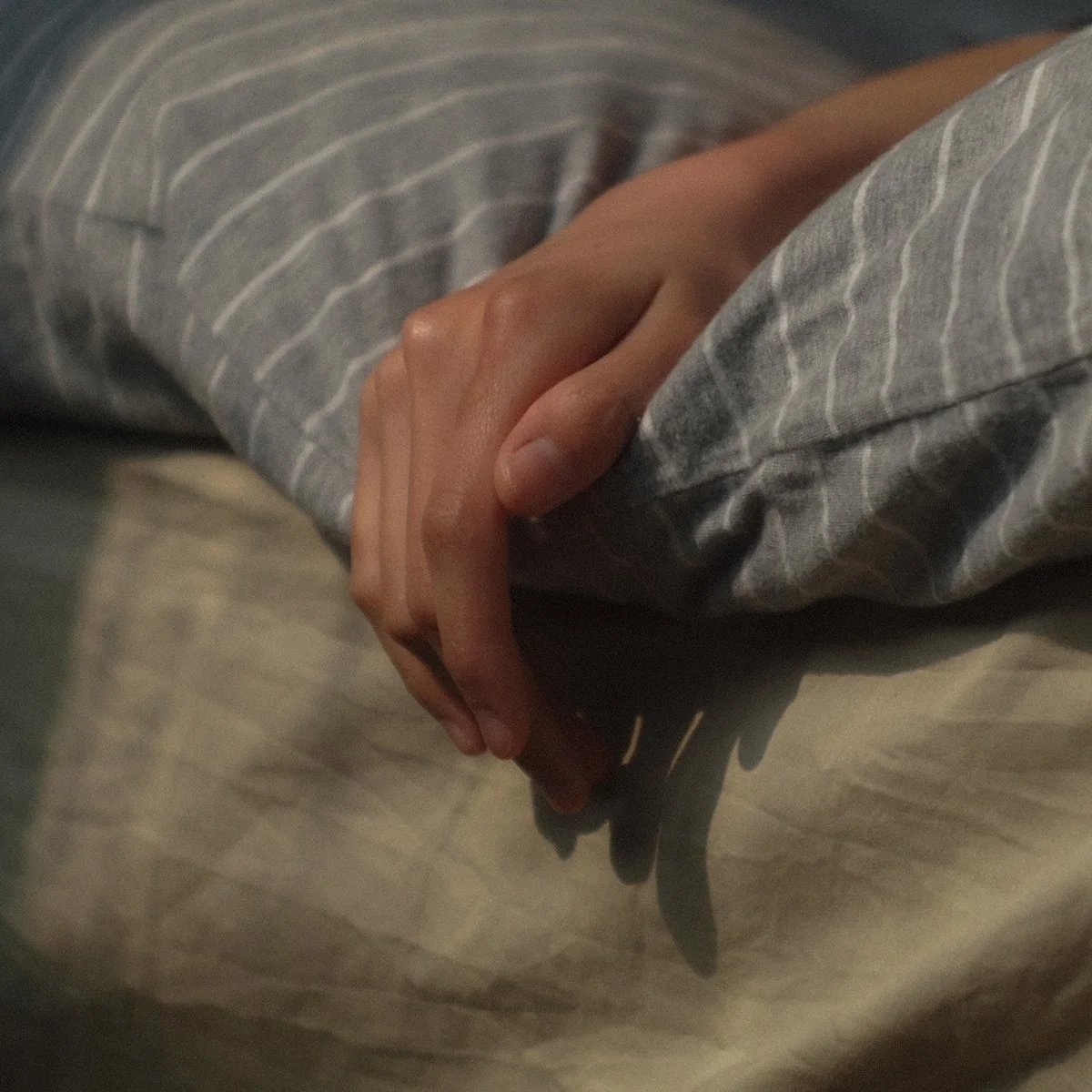
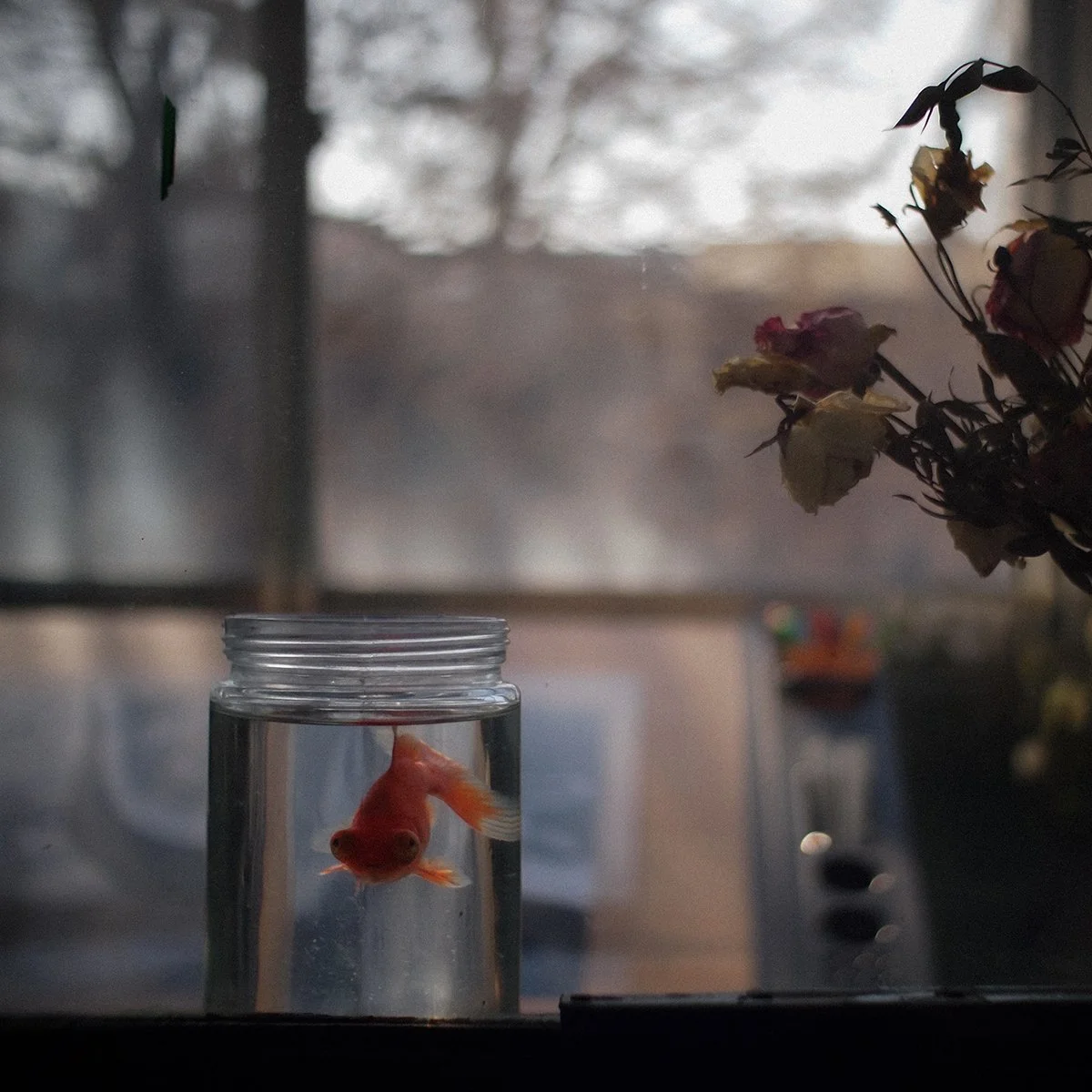
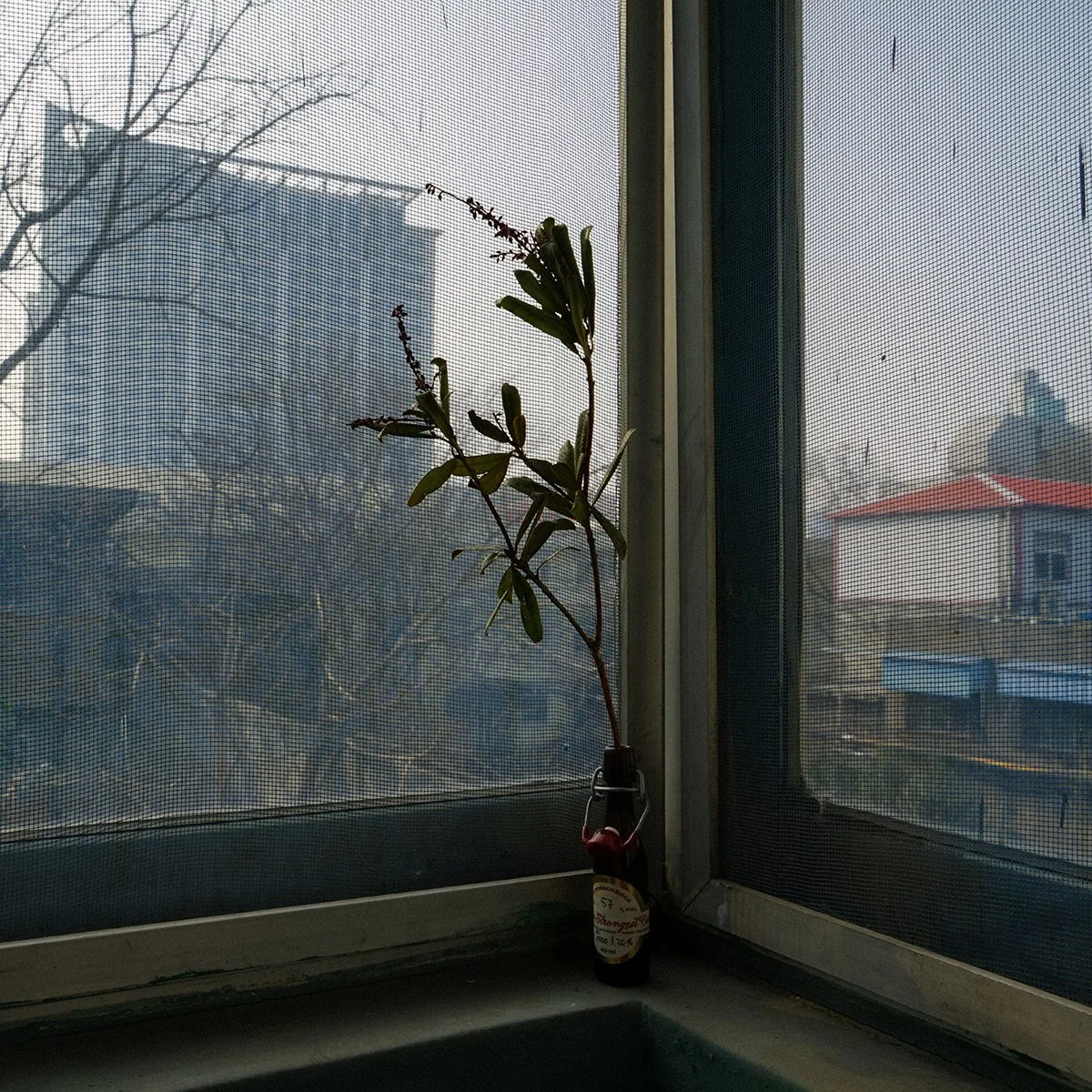
After many years of living in rented apartments, I returned to my hometown of Linyi and moved into an old family apartment that had been empty for more than twenty years.
The apartment slowly became my first real studio.
In 2019, I began reorganising my earlier photographs there and started experimenting with drawing and painting directly onto images.
Looking back now, it was one of the happiest periods of my life.