Women in Transit
Photographs of women moving through the city — on trains, scooters, bicycles, sidewalks and street crossings, caught inside everyday routines.
A day, or even a lifetime, is often spent moving from one place to another.
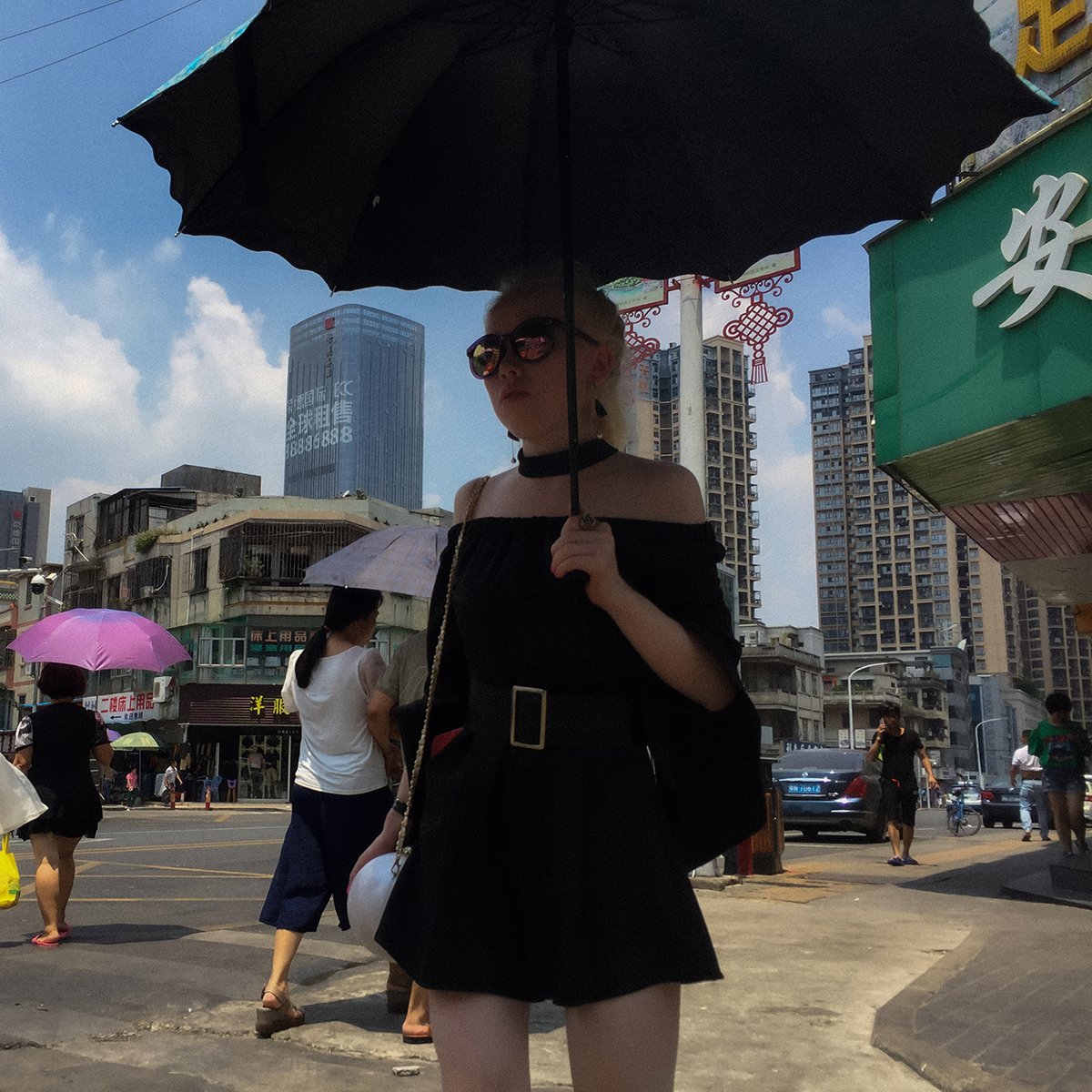
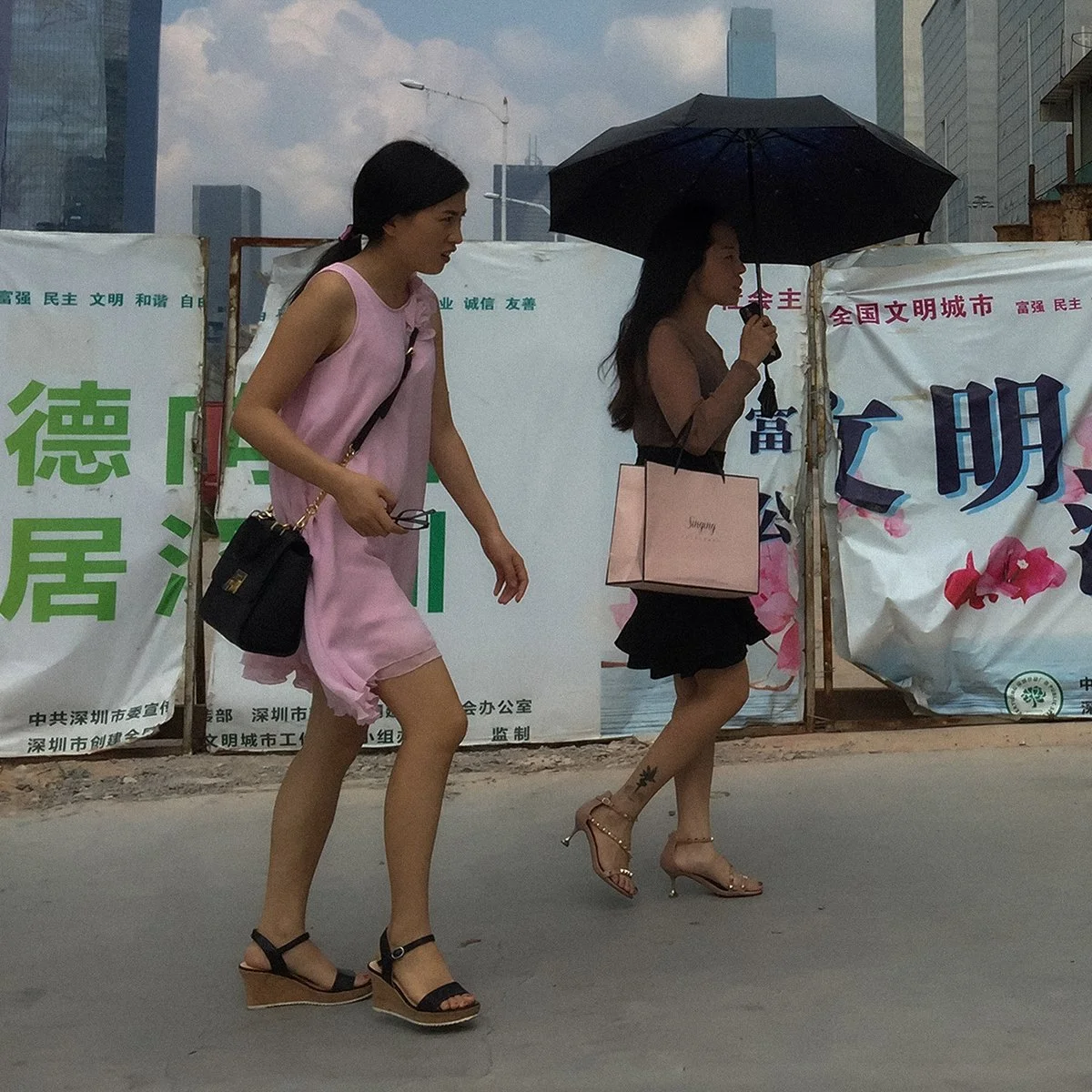
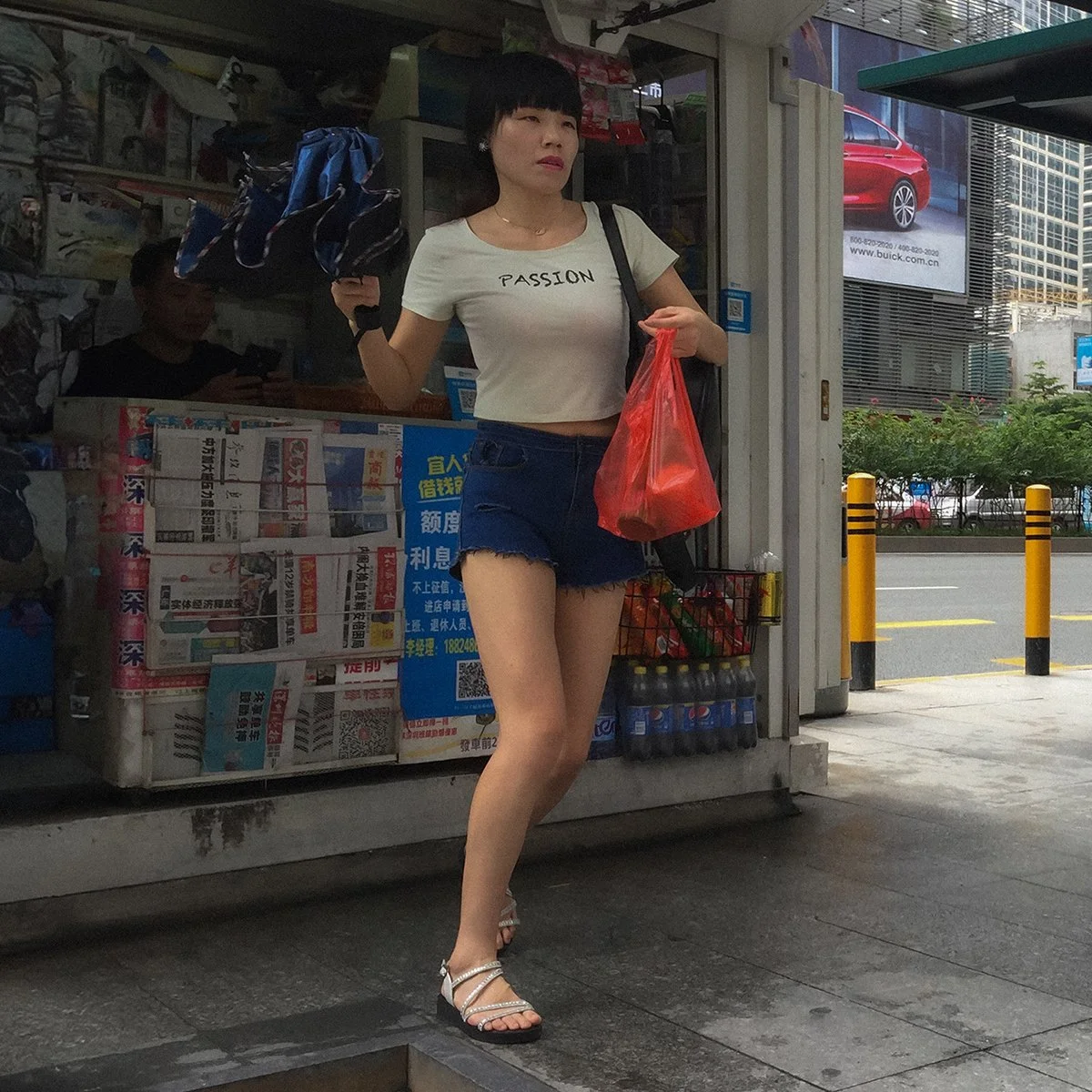
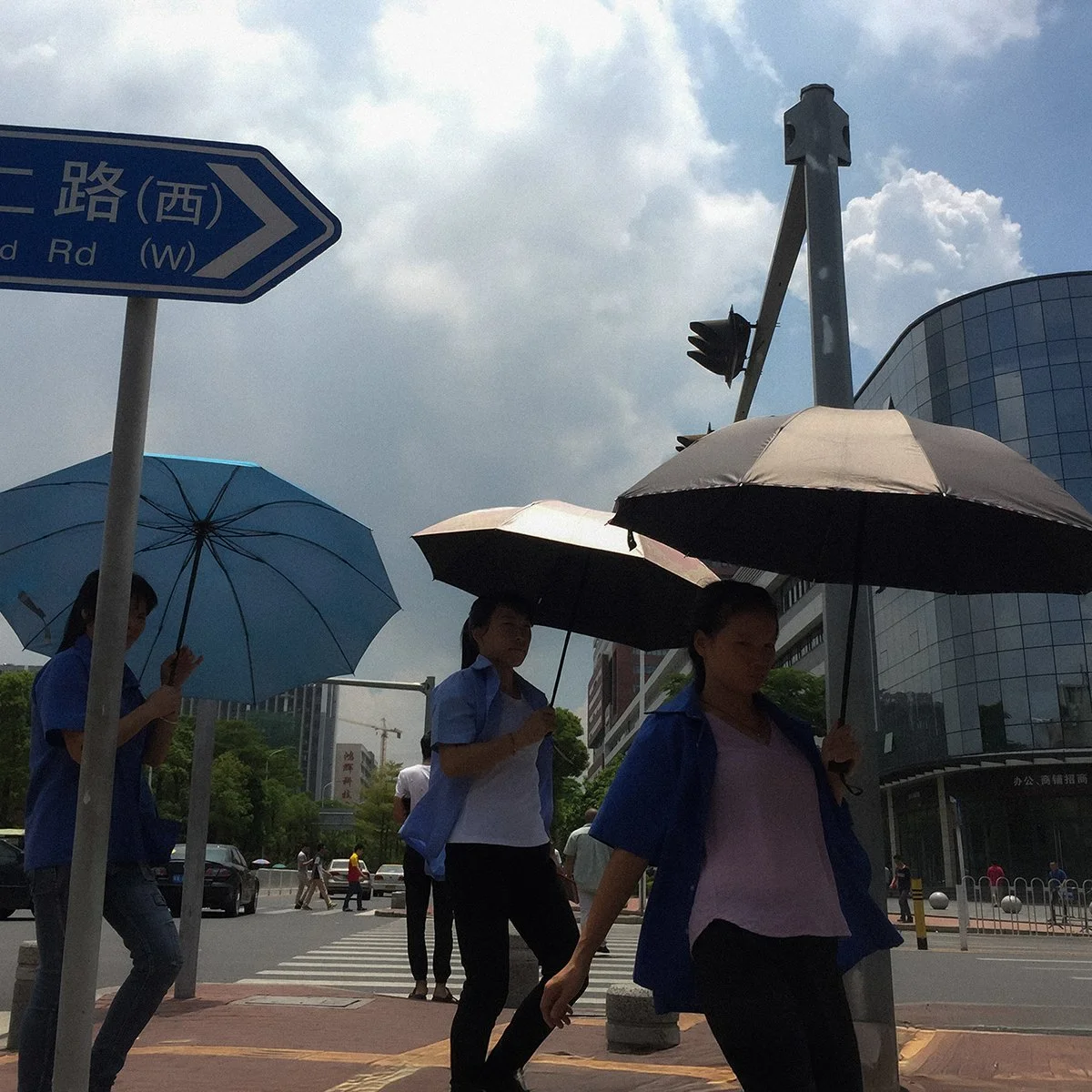
Lady with a Parasol, Shenzhen
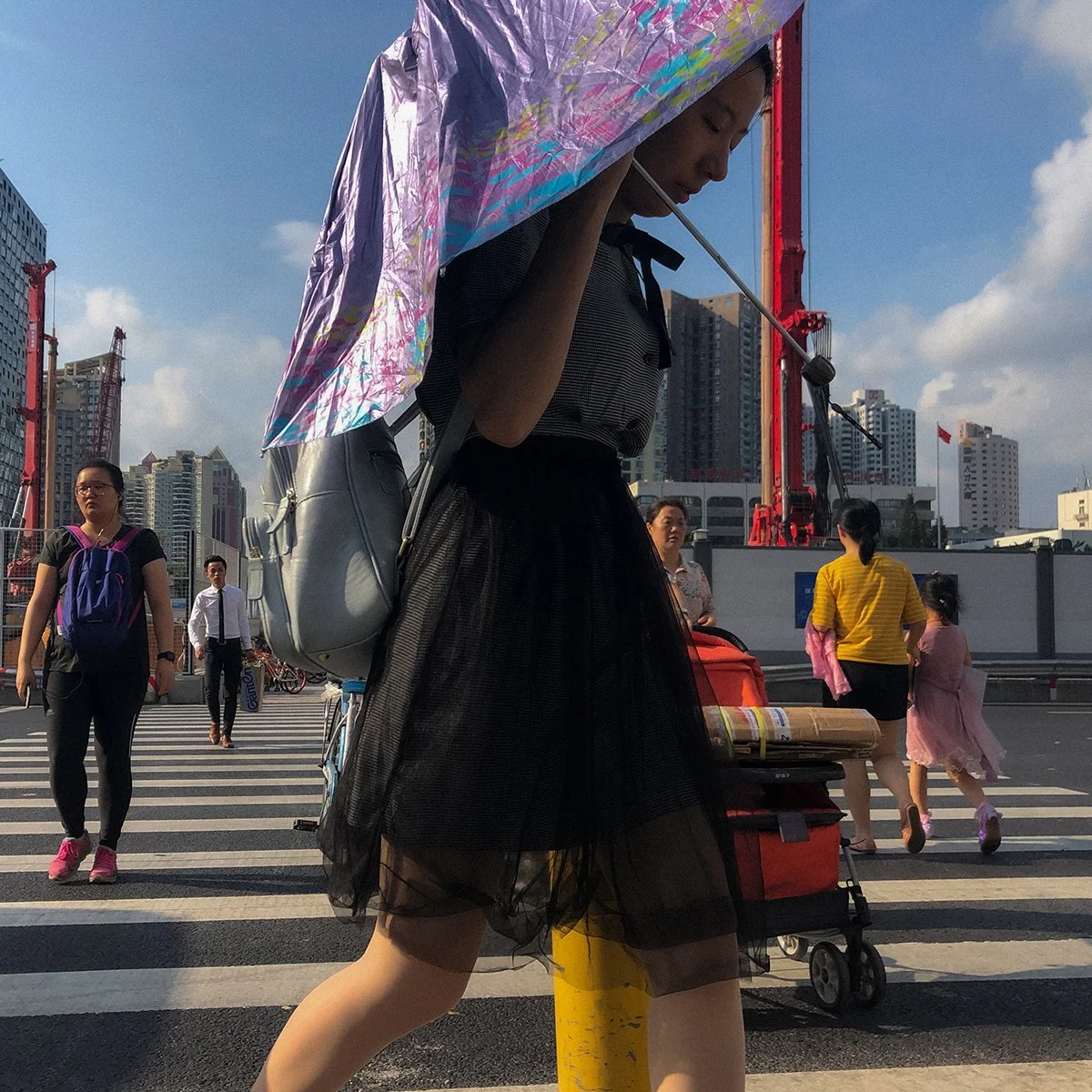
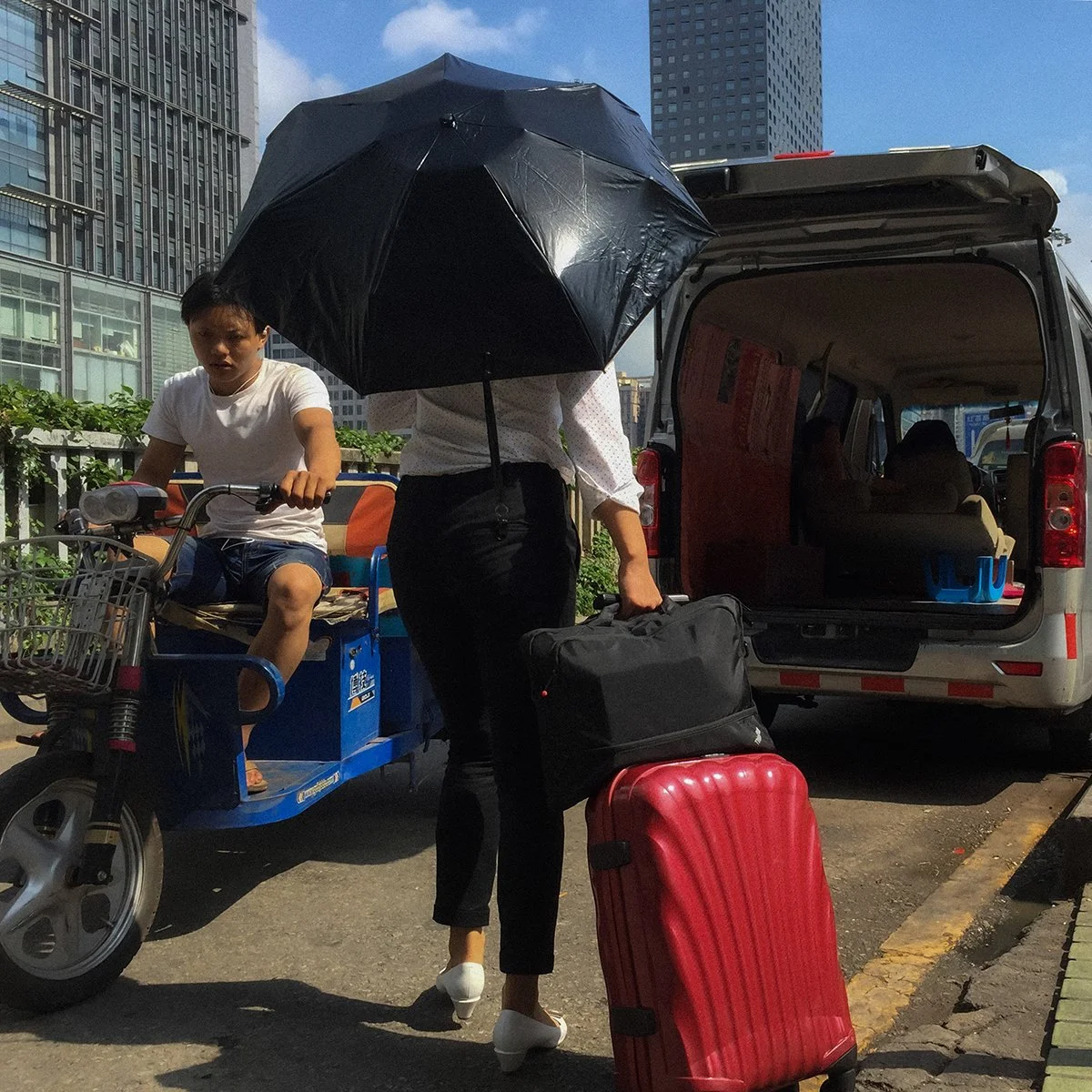
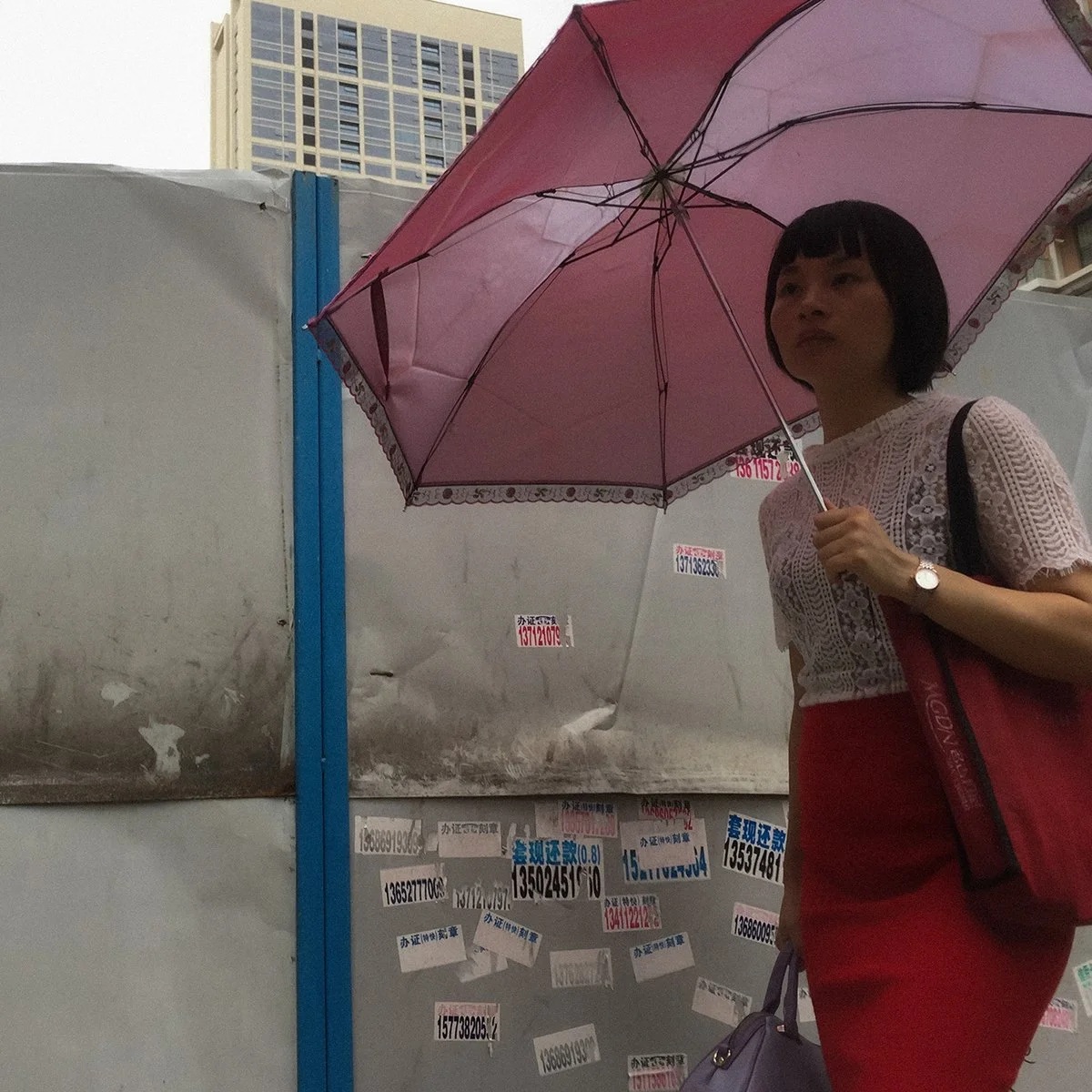
These photographs were made in Shenzhen between 2015 and 2018.
In Shenzhen, carrying an umbrella often feels like part of everyday survival — sunlight, rainstorms, humidity and construction dust.
I became interested in the way umbrellas changed movement, posture and silhouette inside the city.
Against Shenzhen’s unfinished urban landscape, the women carrying umbrellas often felt like the softest thing moving through it.
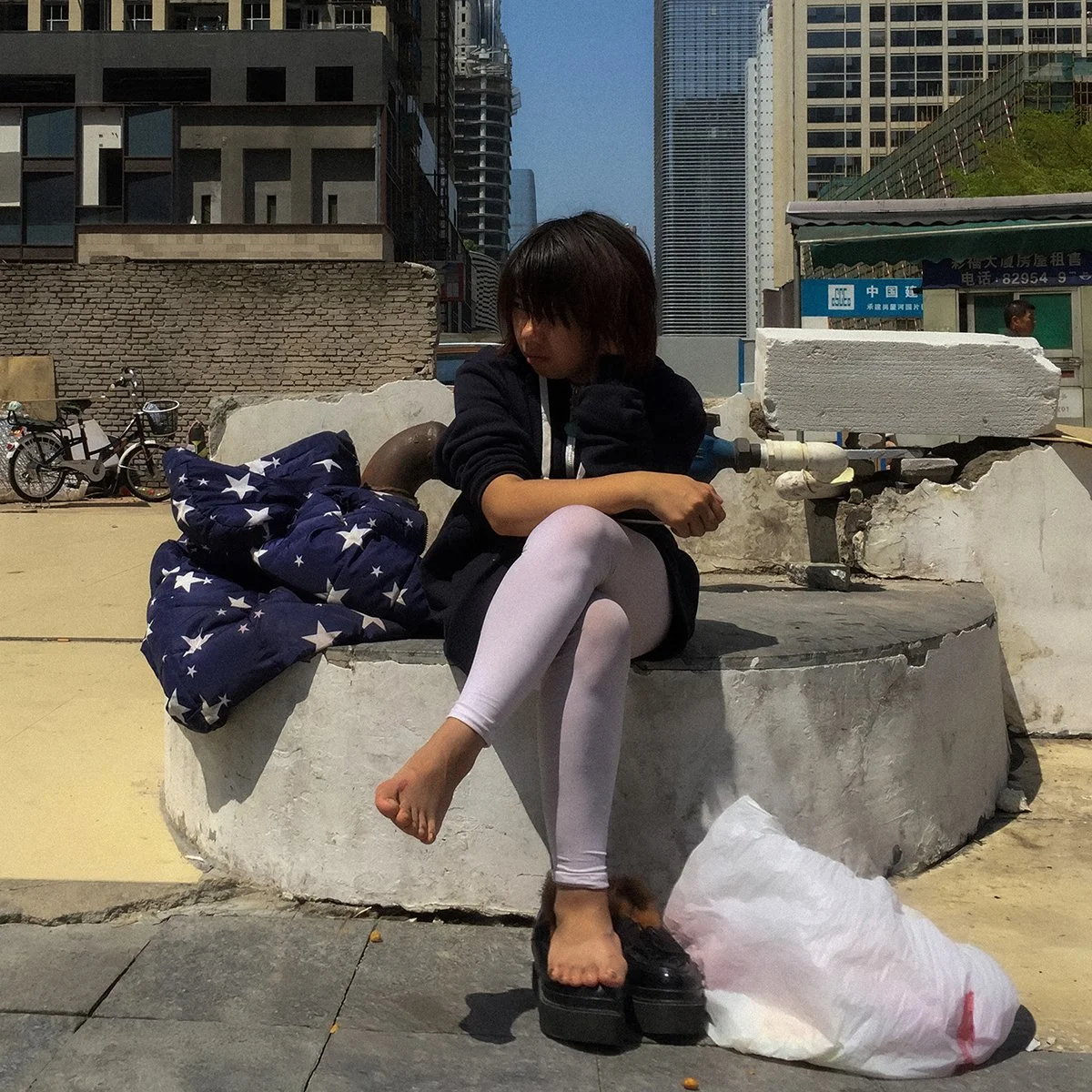
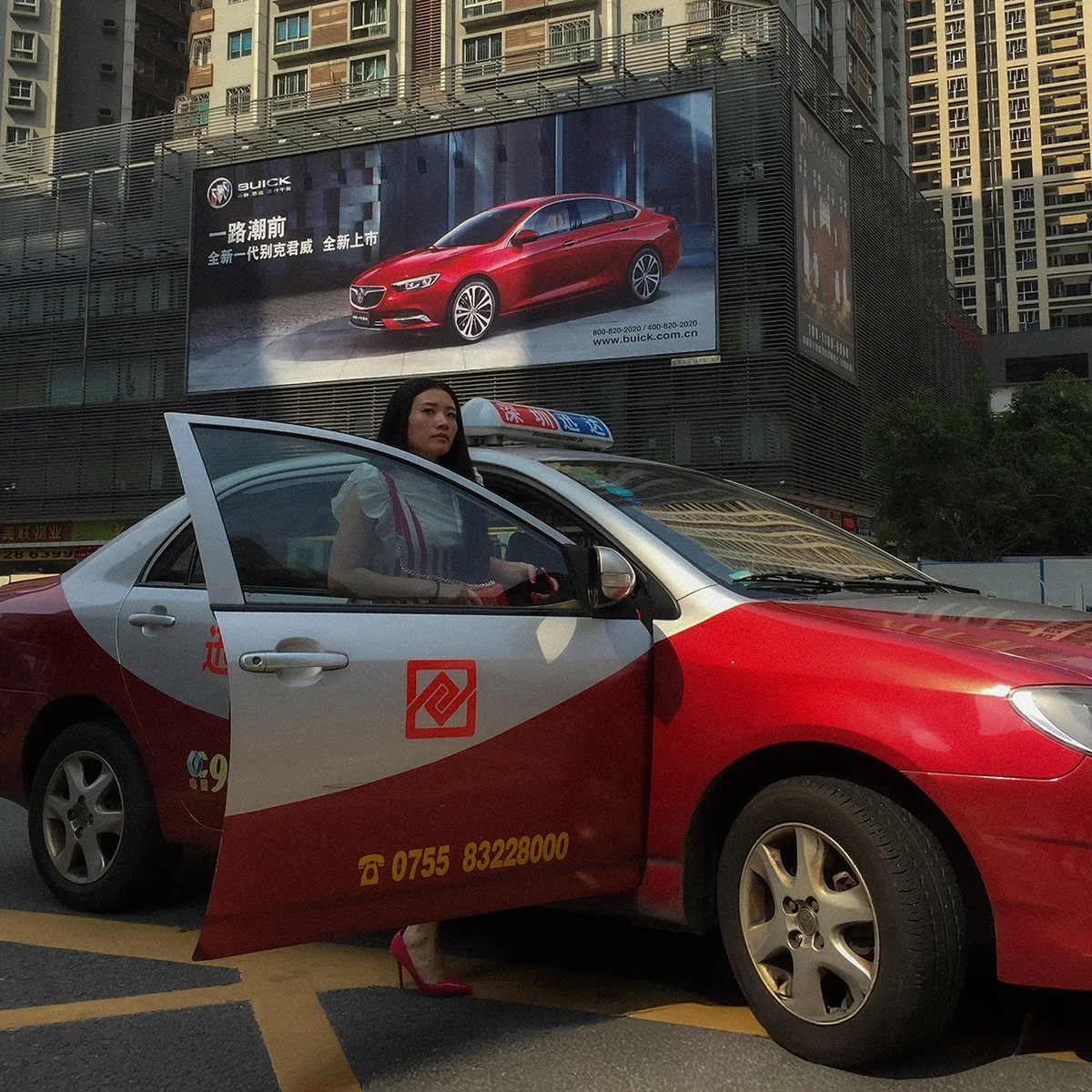
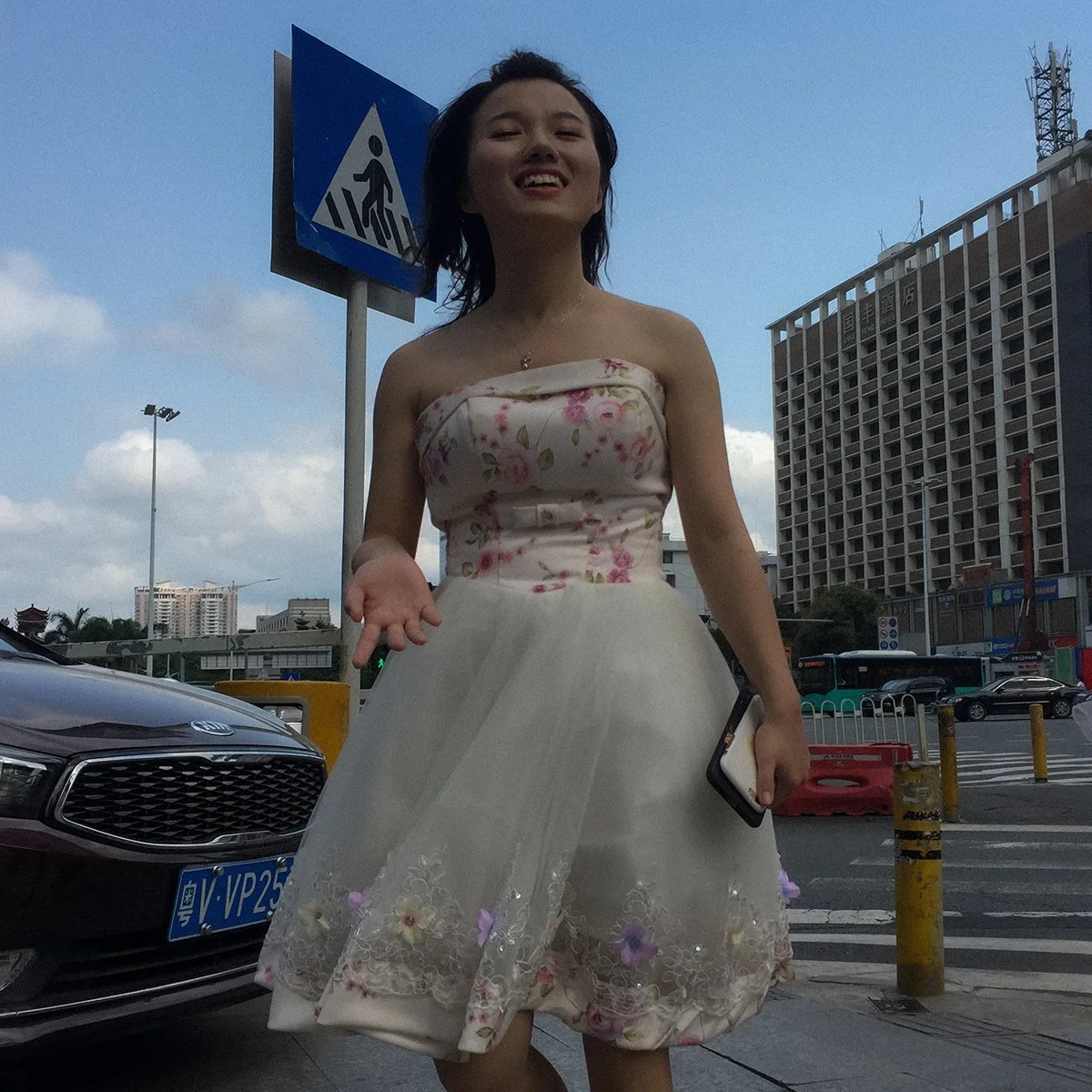
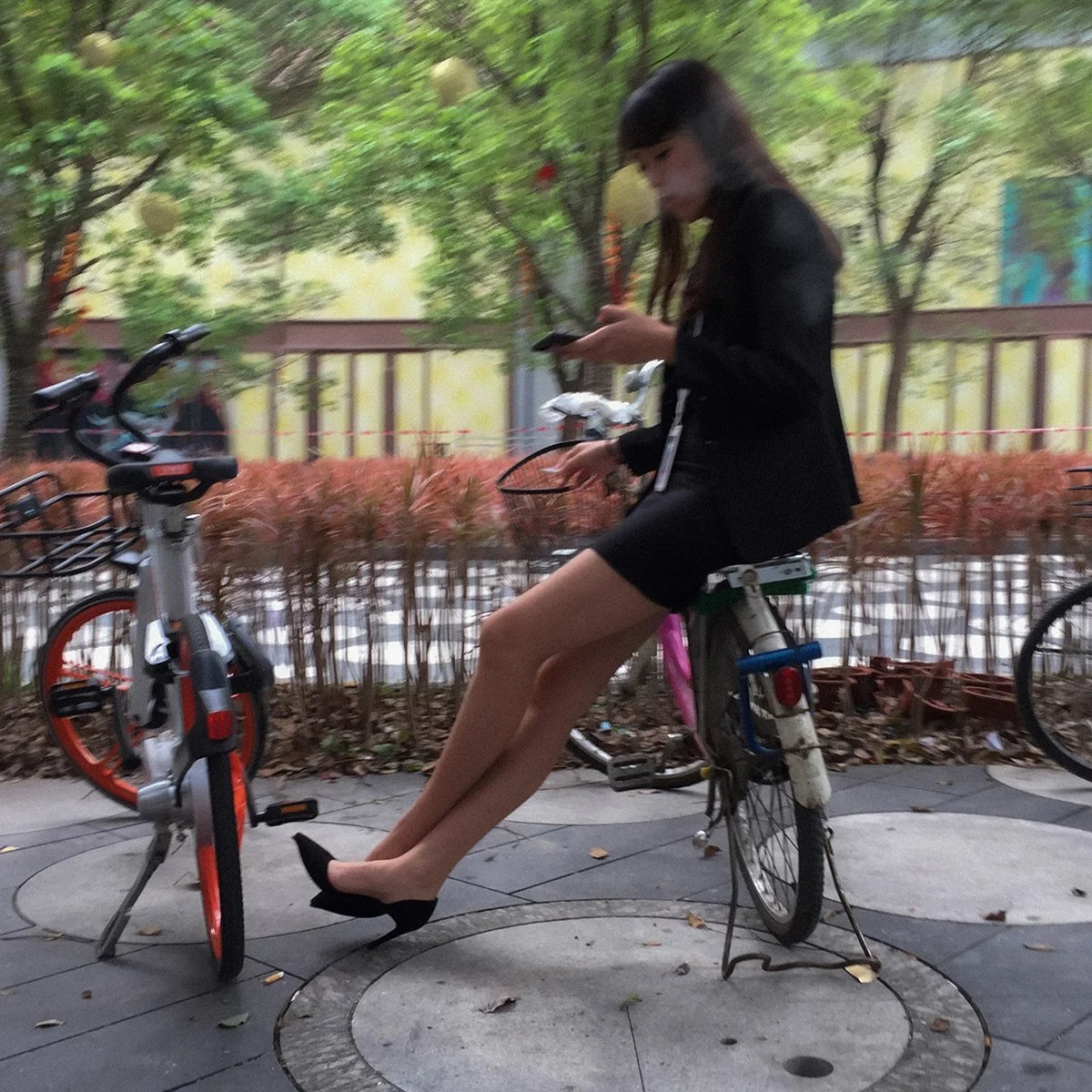
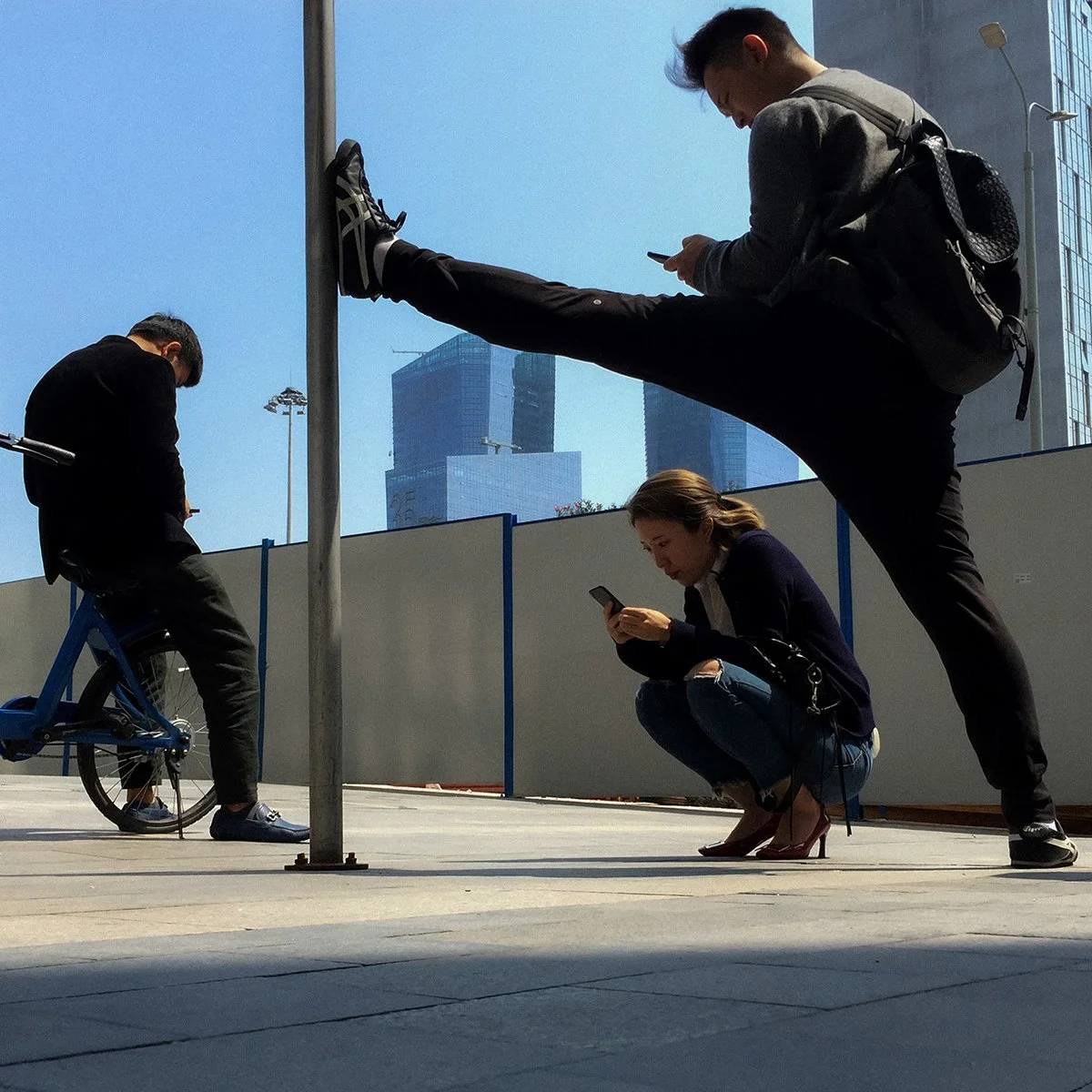
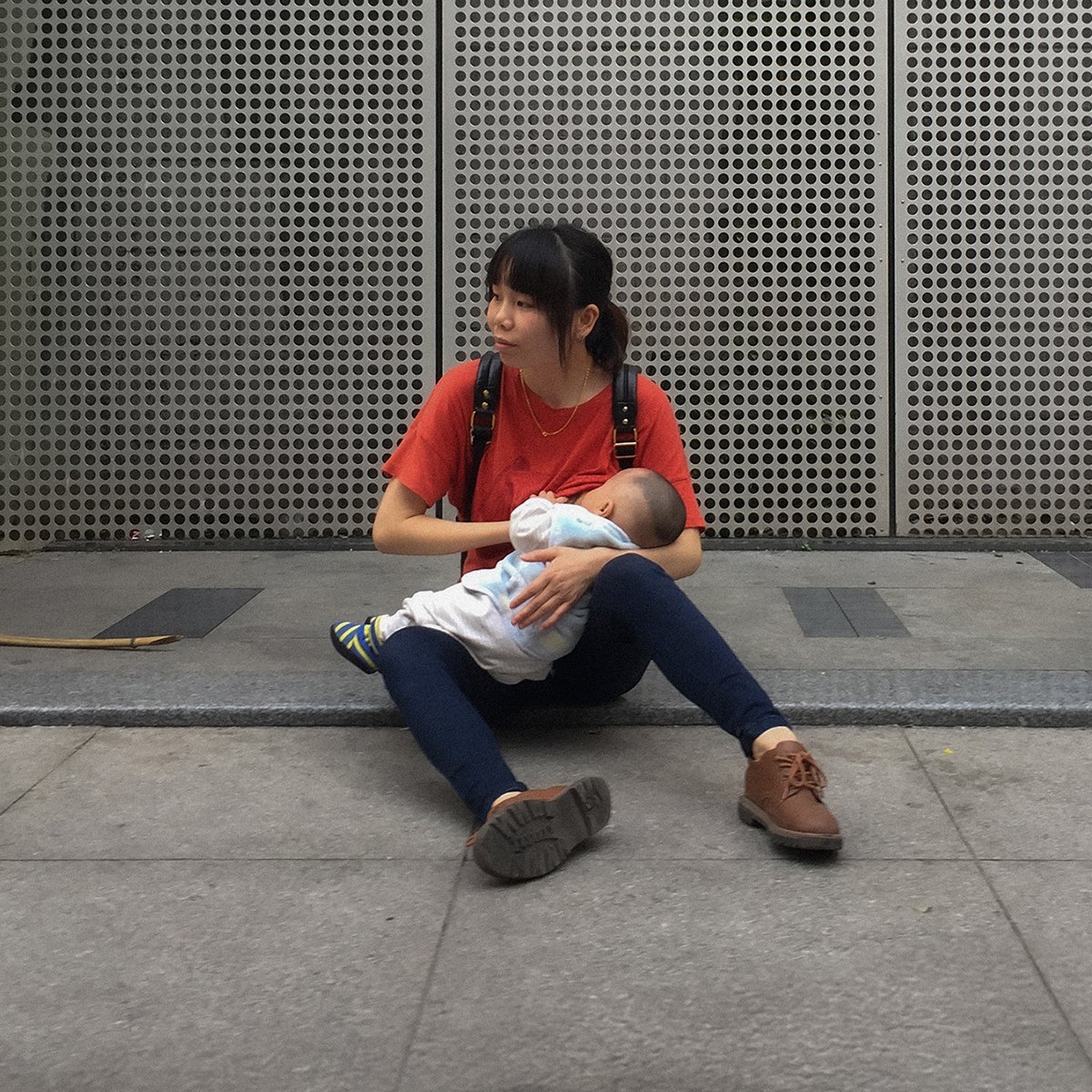

Women I Passed By, Shenzhen
These photographs were taken in Shenzhen between 2015 and 2018.
At the time, I spent a lot of time walking through the city with a camera, repeatedly encountering small but strangely dramatic moments.
The photographs became a way of observing the emotional atmosphere hidden inside the city through the women I passed by.
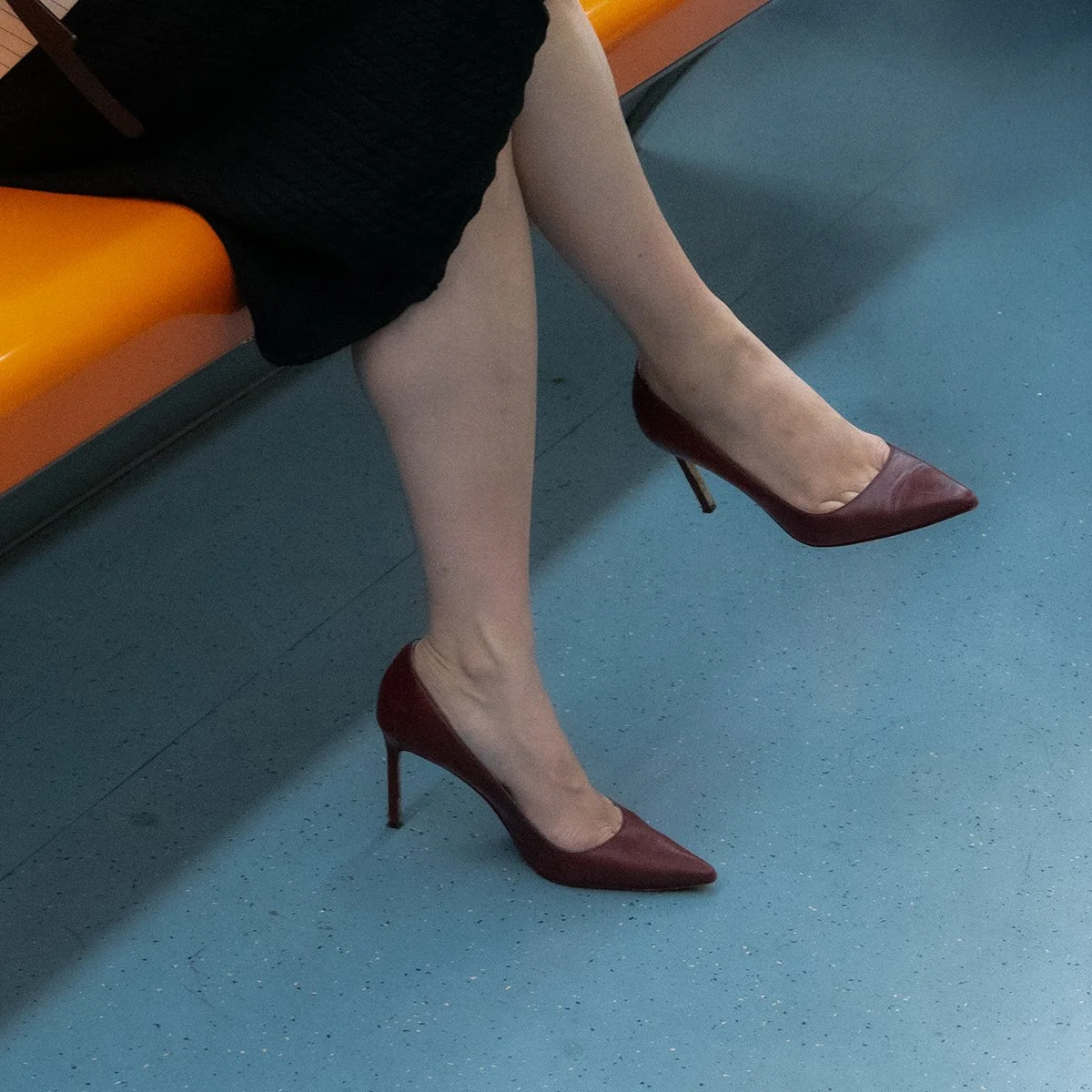
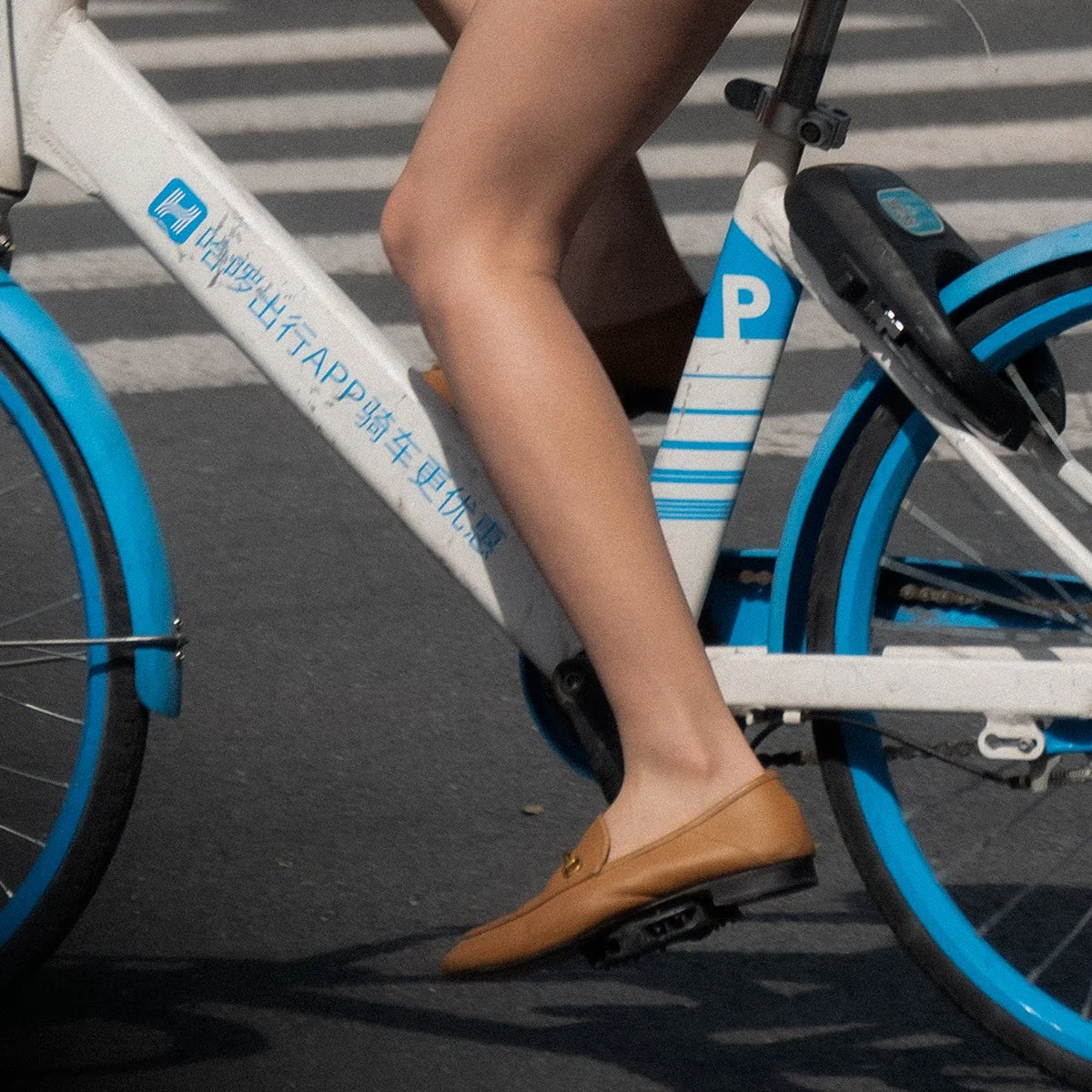

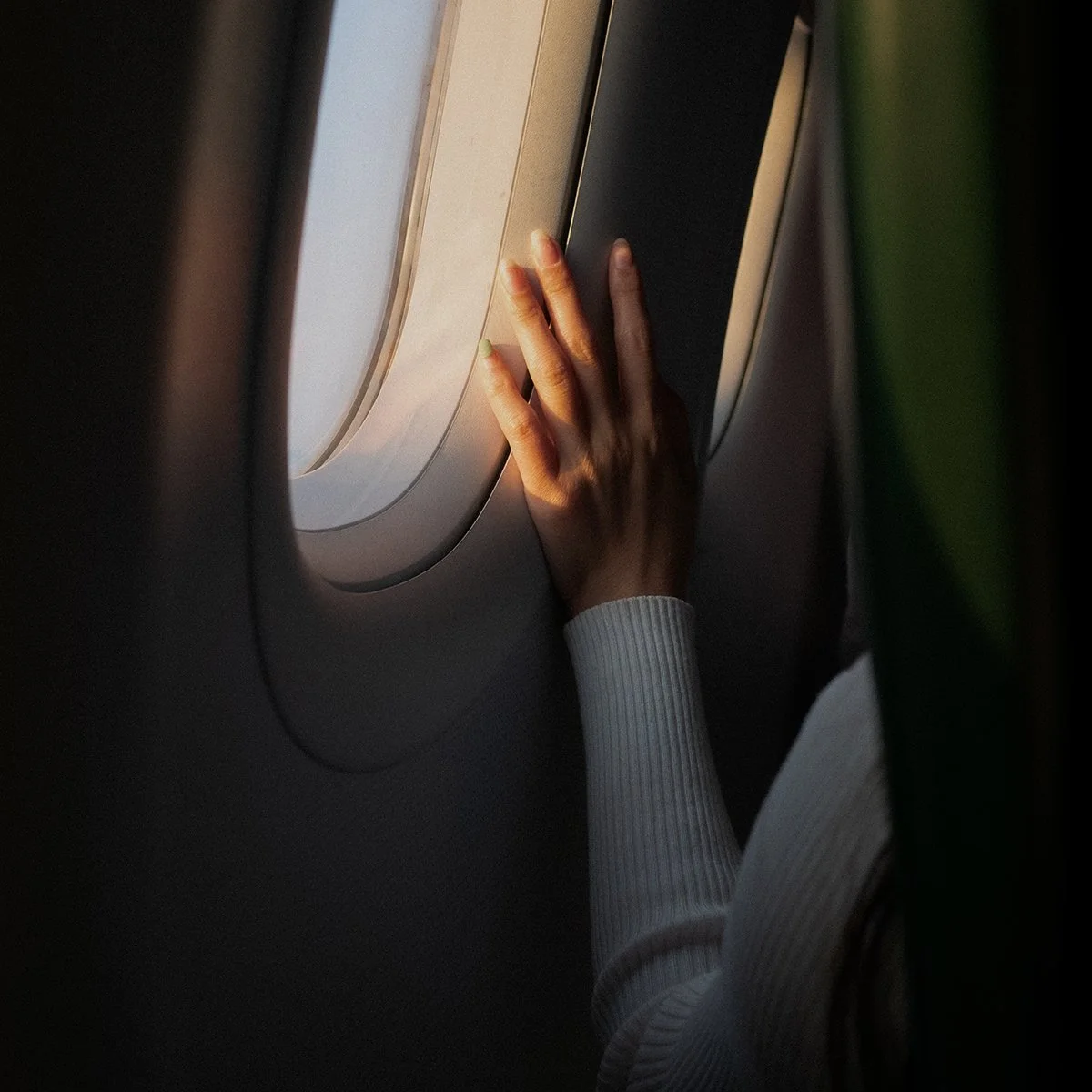
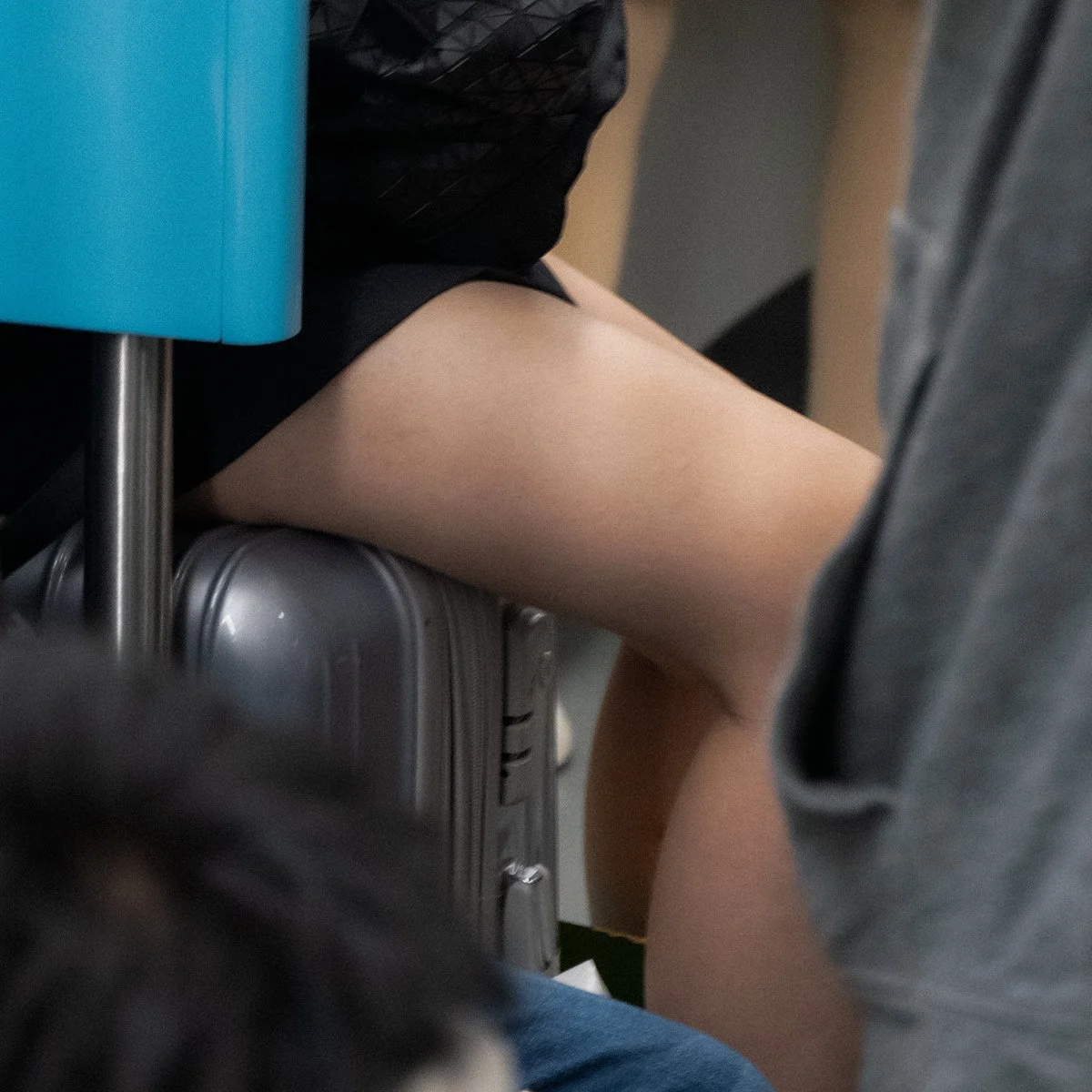
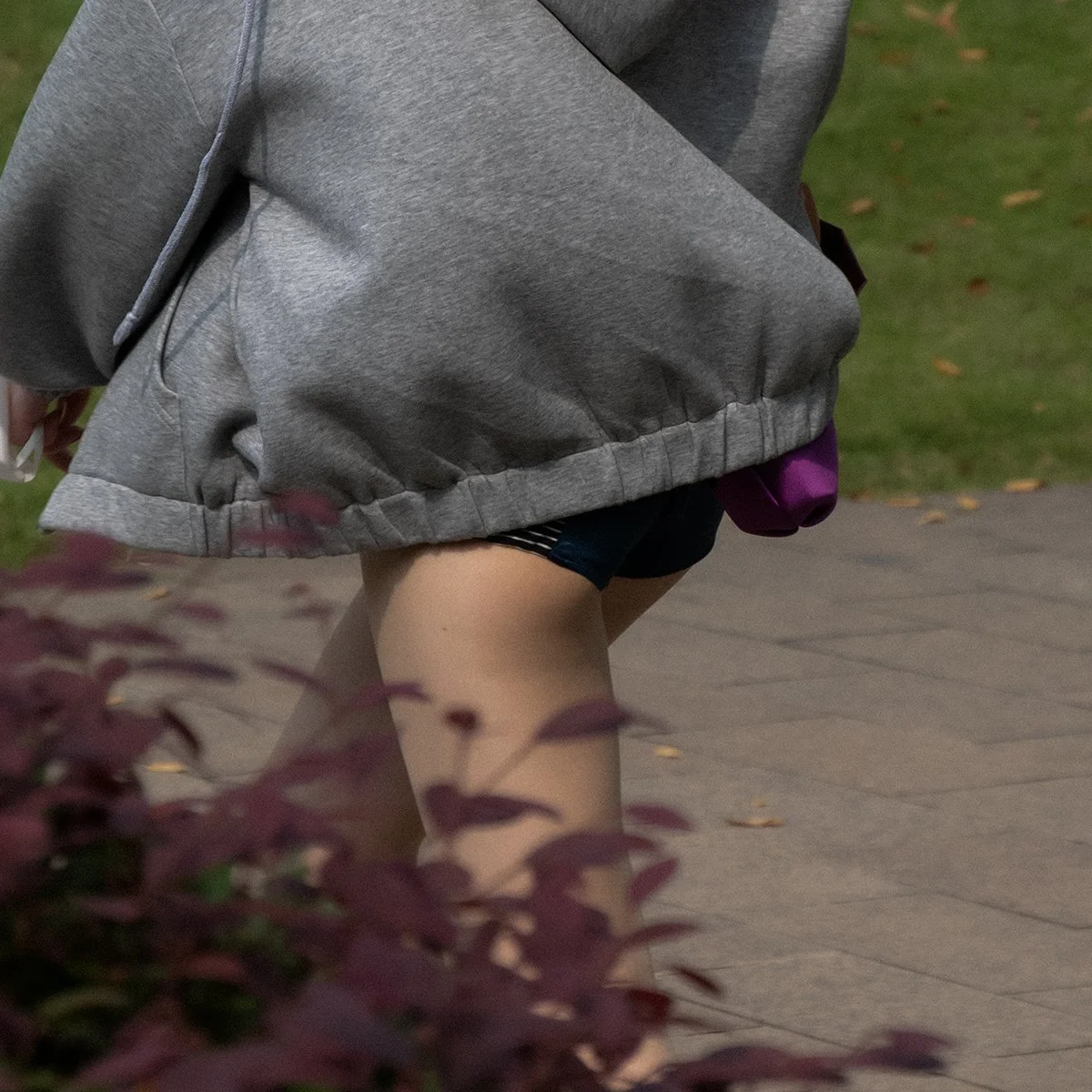
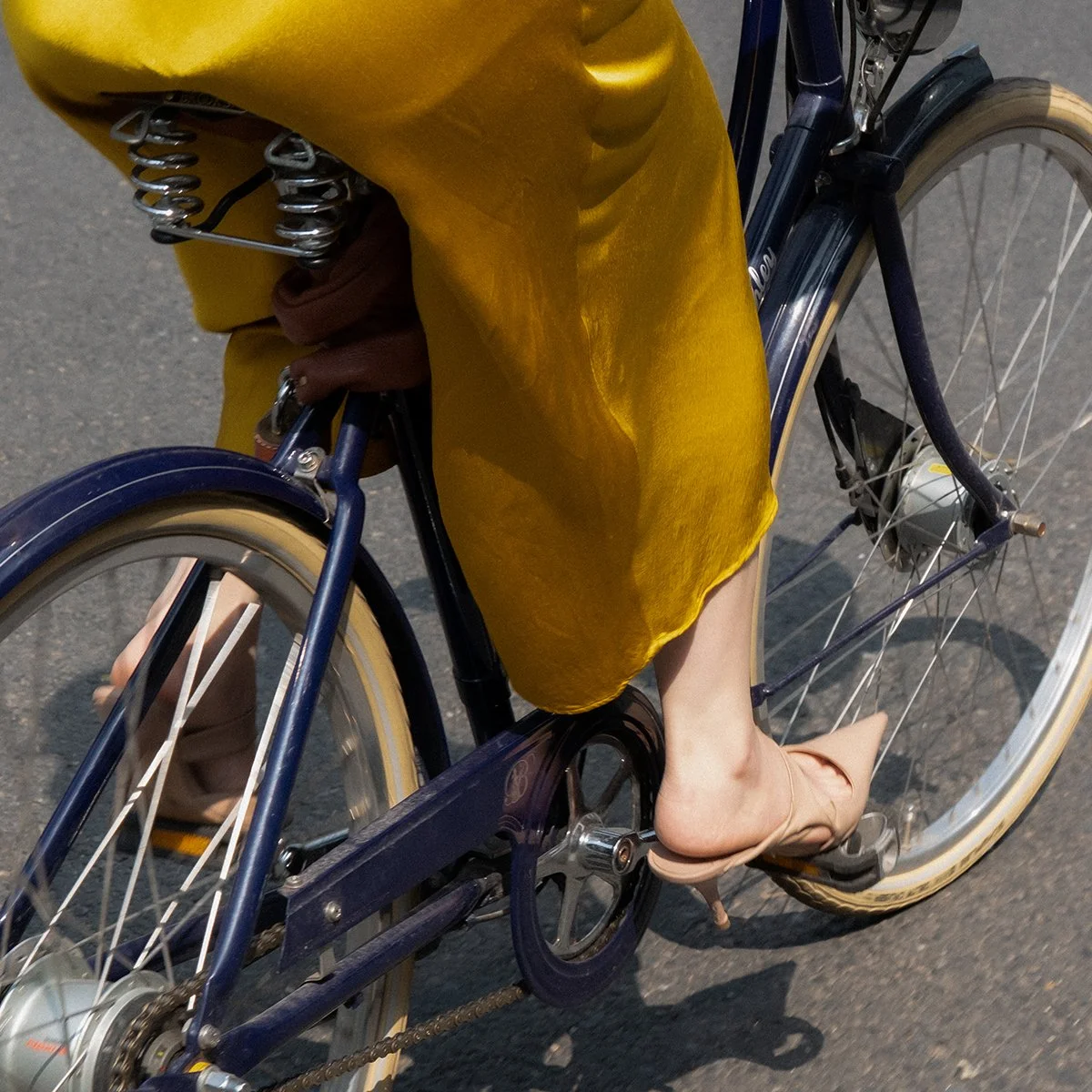
Between A and B, Shanghai
This series was taken in Shanghai between 2022 and 2025.
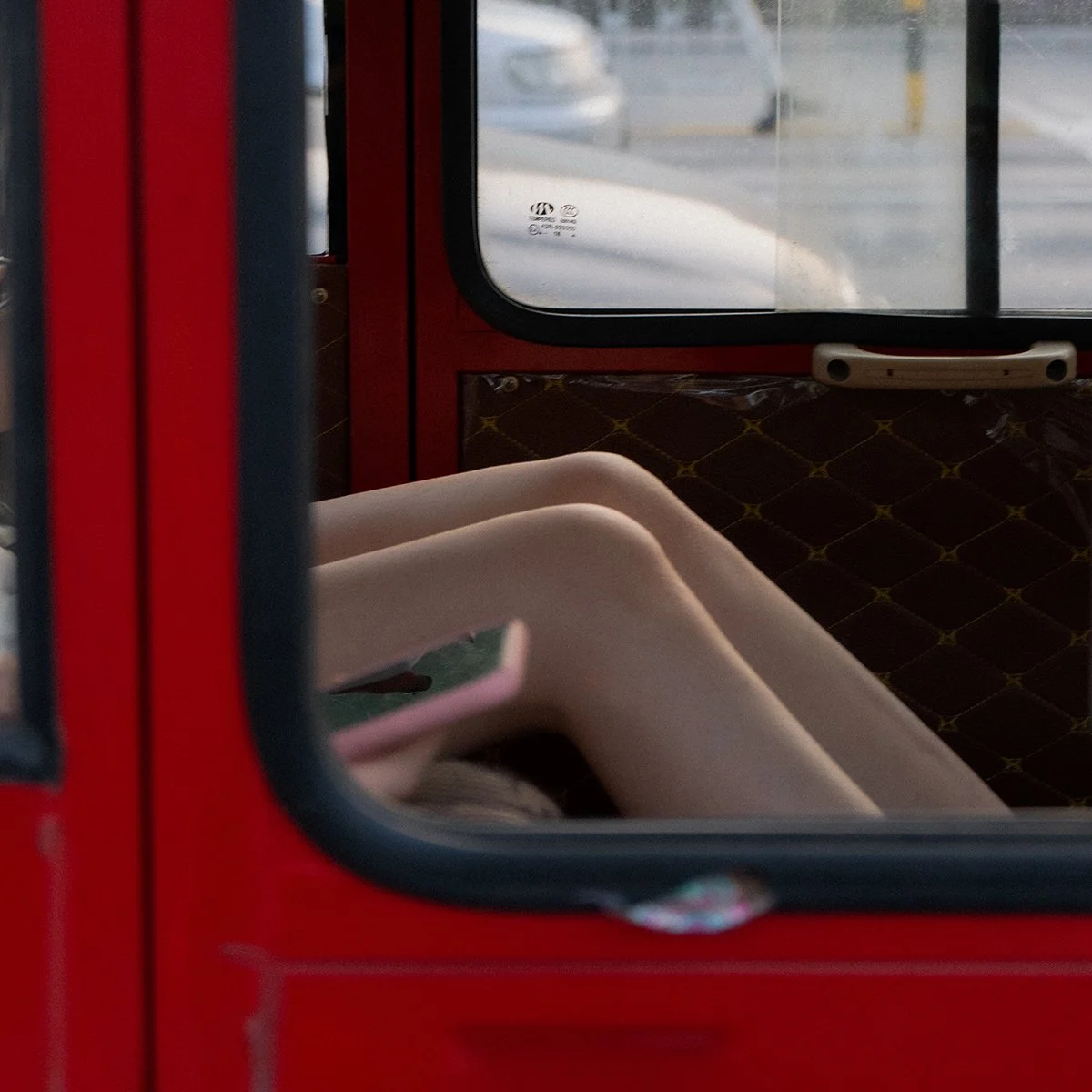
Over time, my attention shifted away from complete scenes and toward fragments of the body — legs, feet, hands, posture and balance.
I kept photographing women during everyday transit: waiting, cycling, standing and pausing briefly before continuing somewhere else.
Between point A and point B, cities are held together by countless small movements like these.
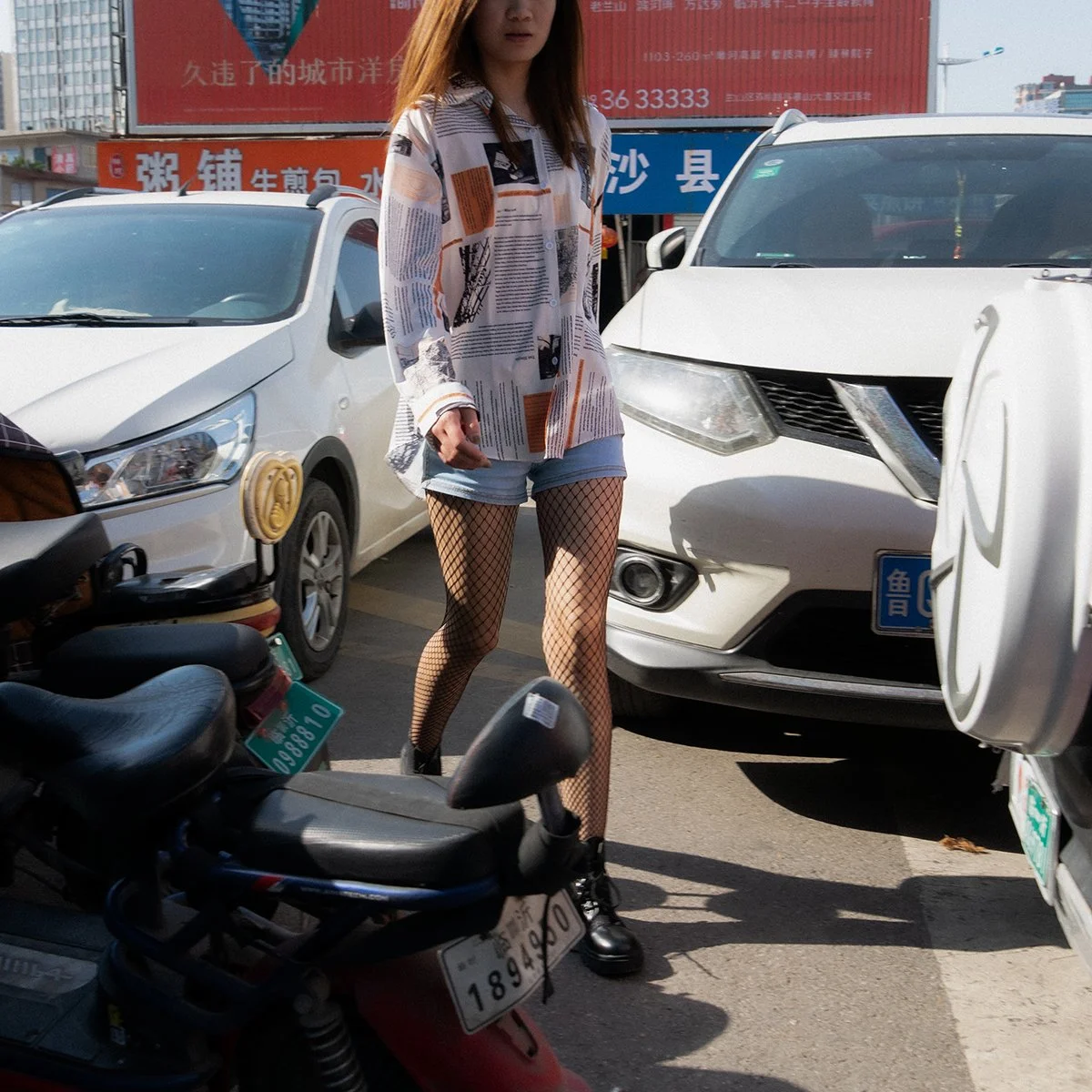

Moving Through, Linyi
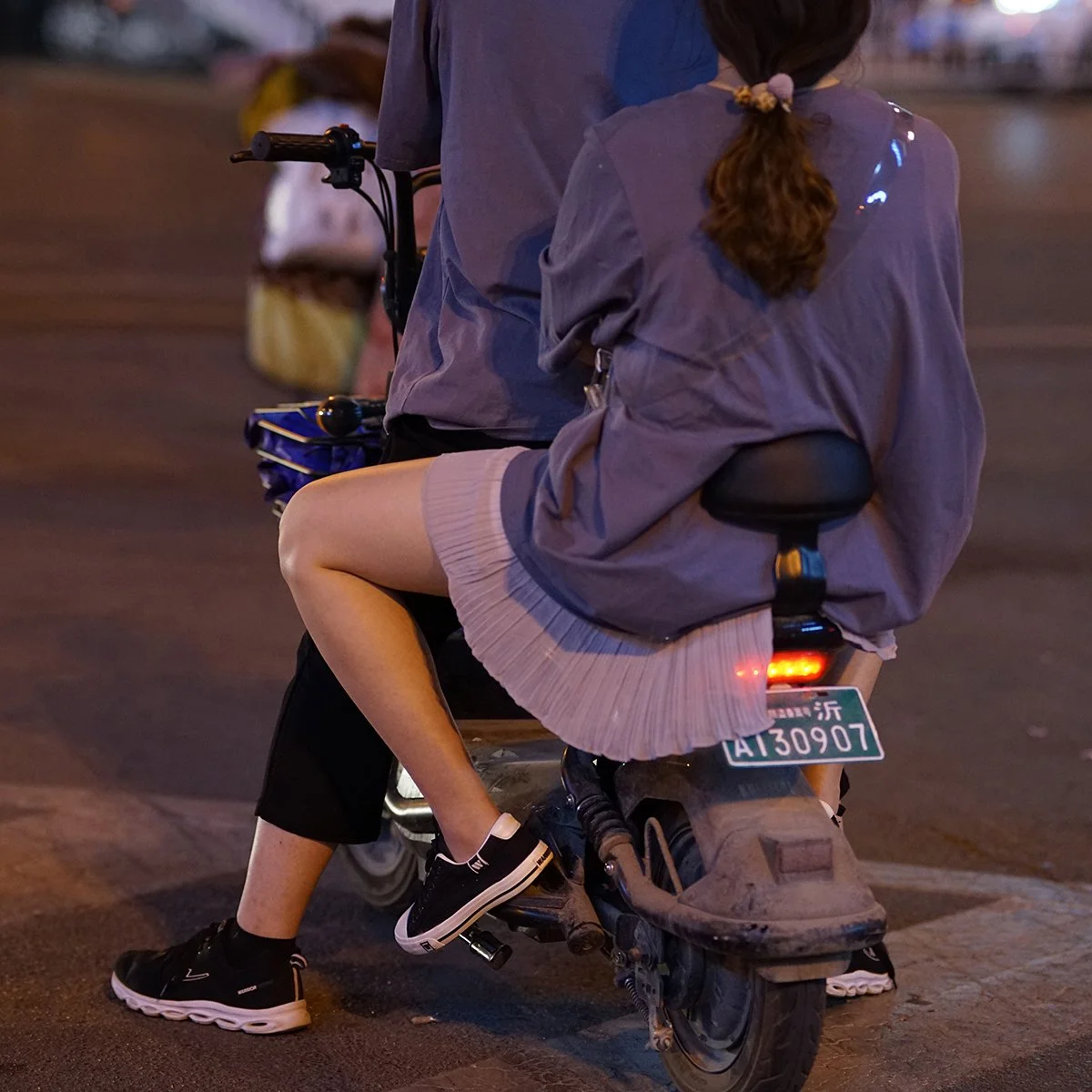
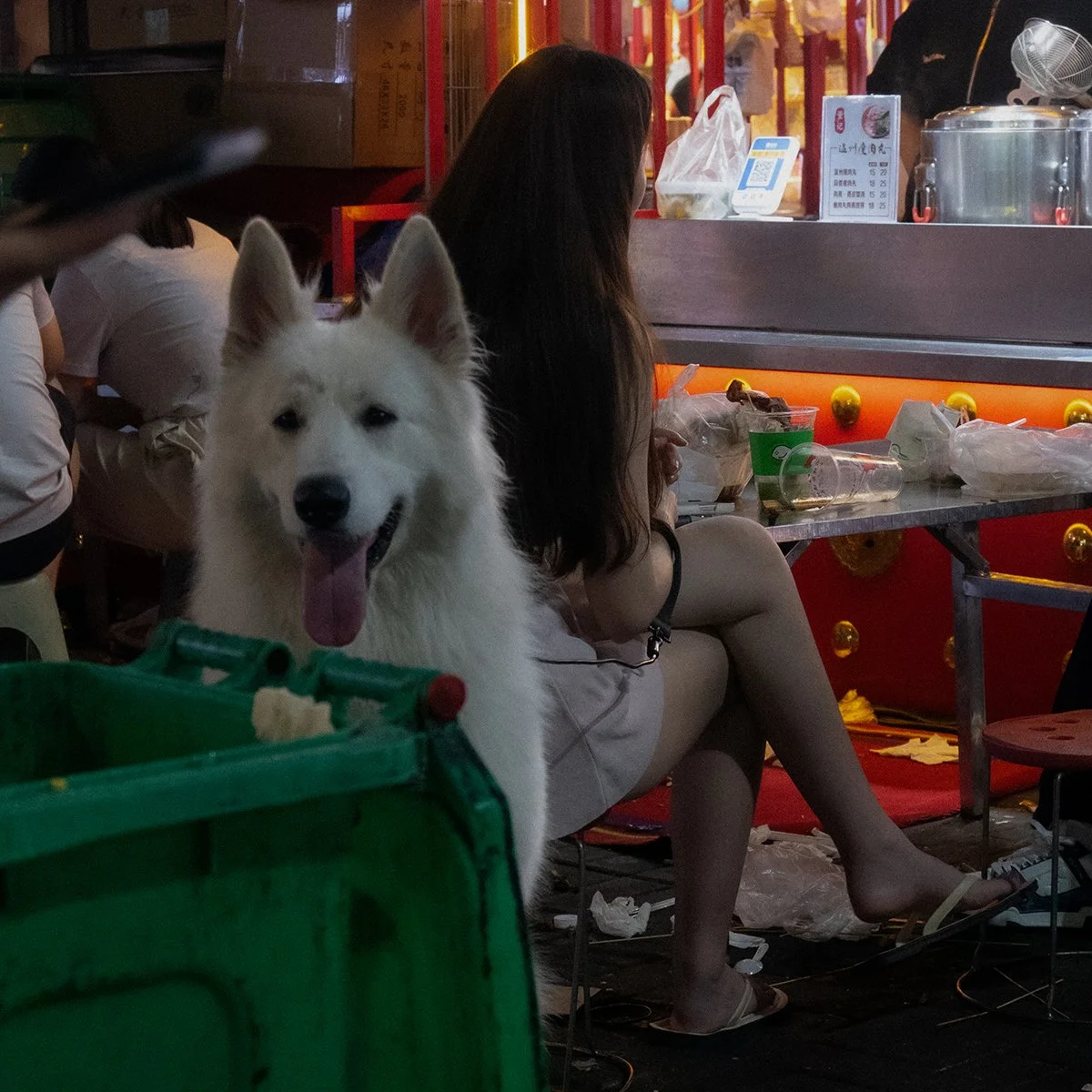
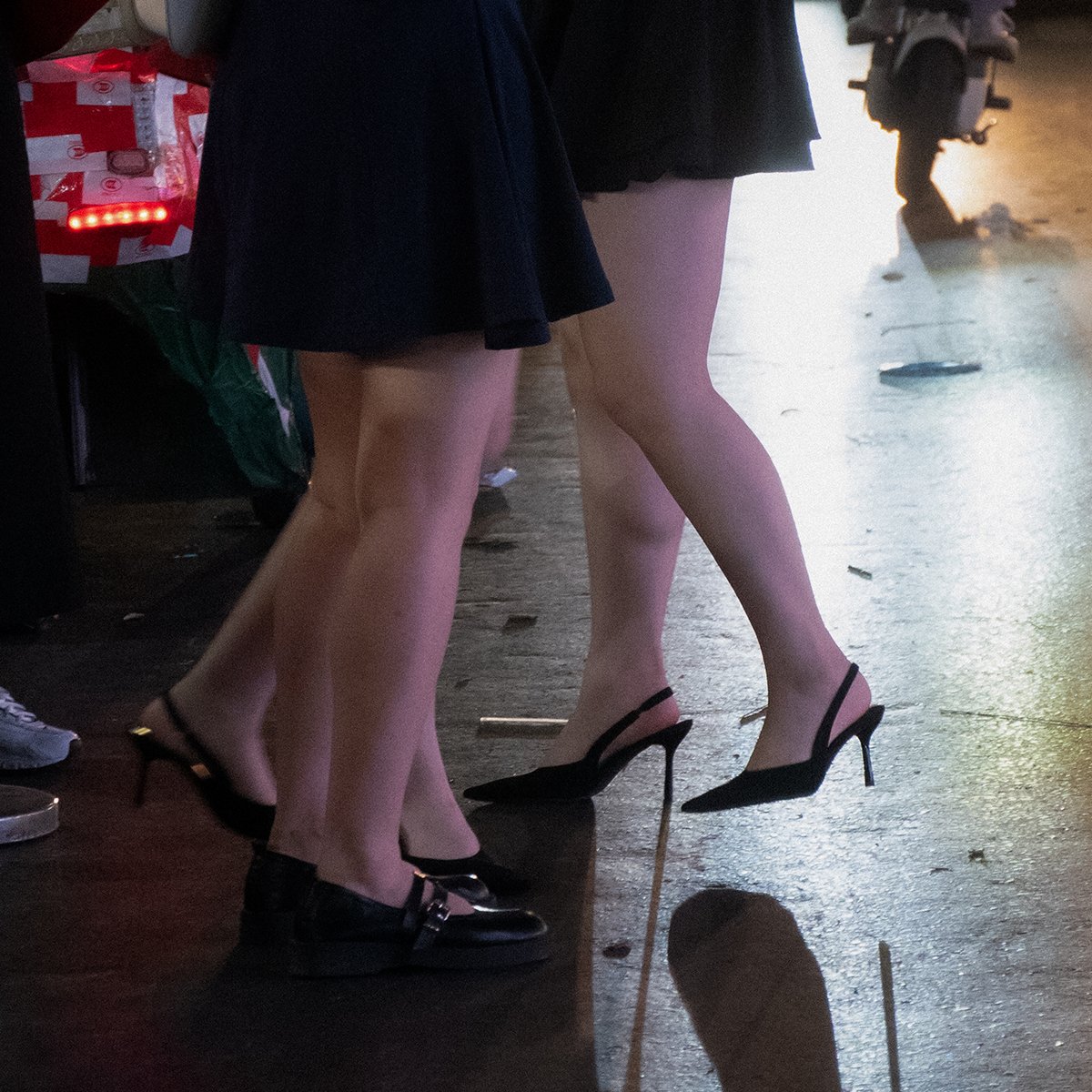
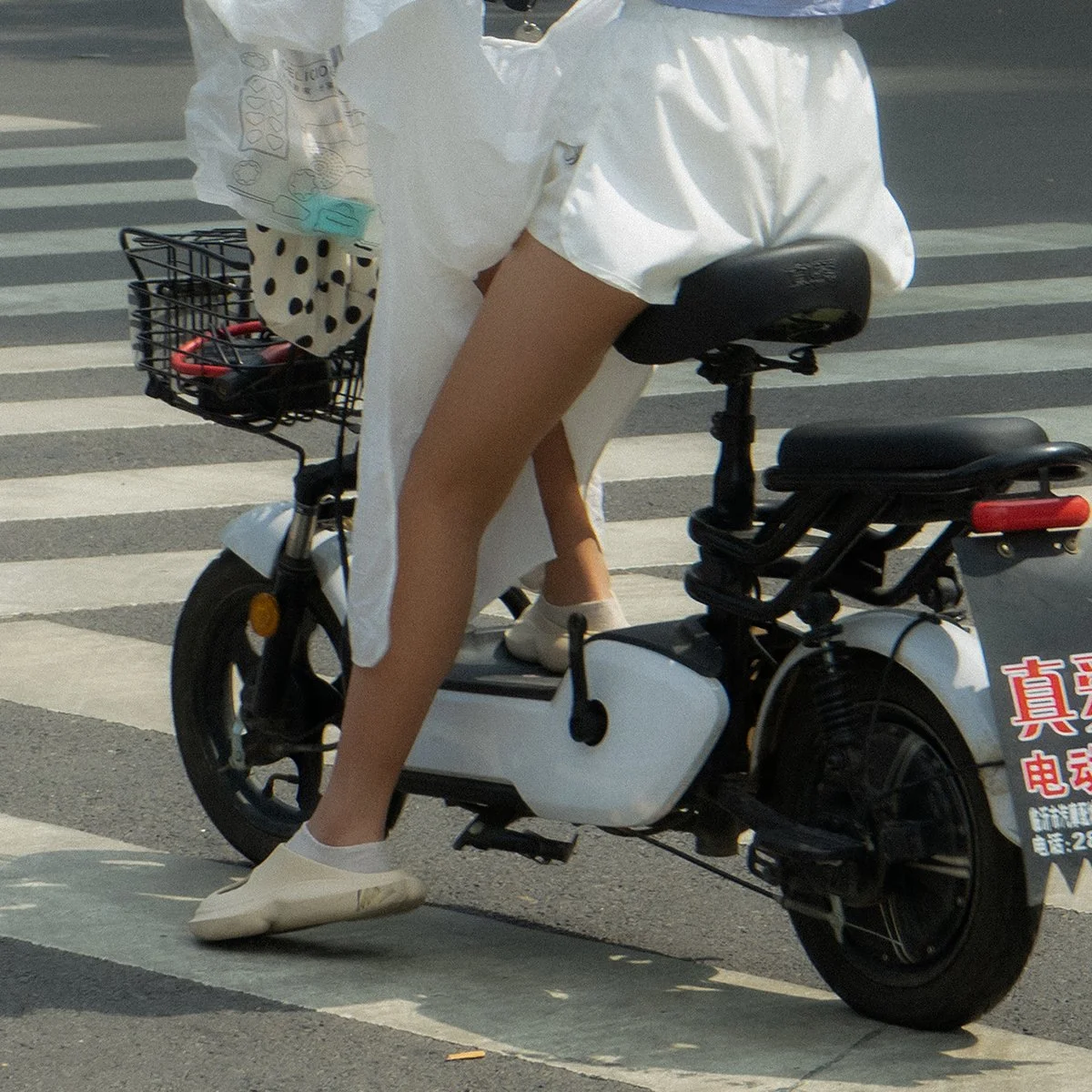
These photographs were taken on the streets of Linyi between 2019 and 2025.
I photographed women running market stalls, commuting on electric scooters, travelling between city and town, and moving through the streets as part of everyday life.
Compared to larger Chinese cities, movement here feels slower, more exposed and more physical.
Similar Cities, Different Names
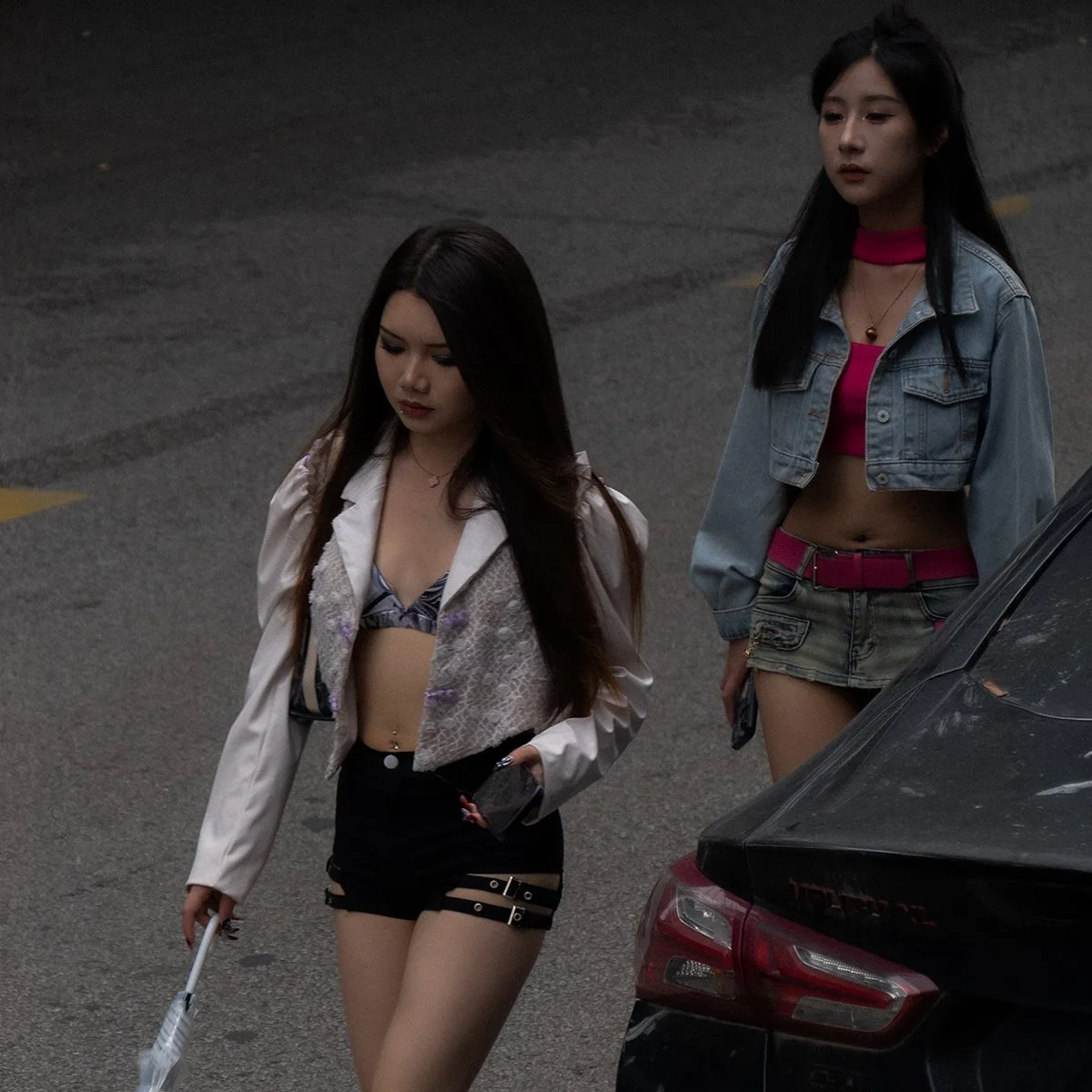
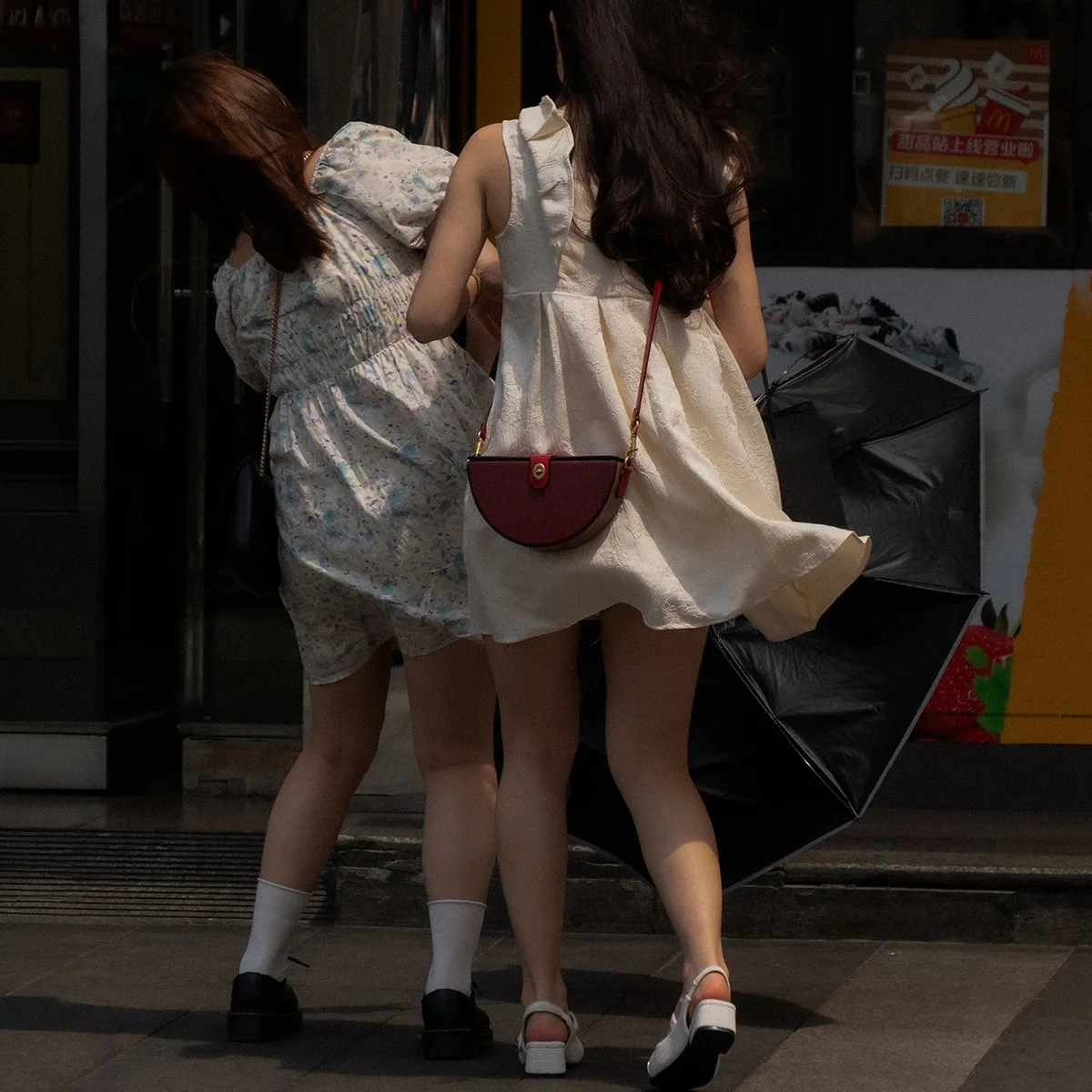
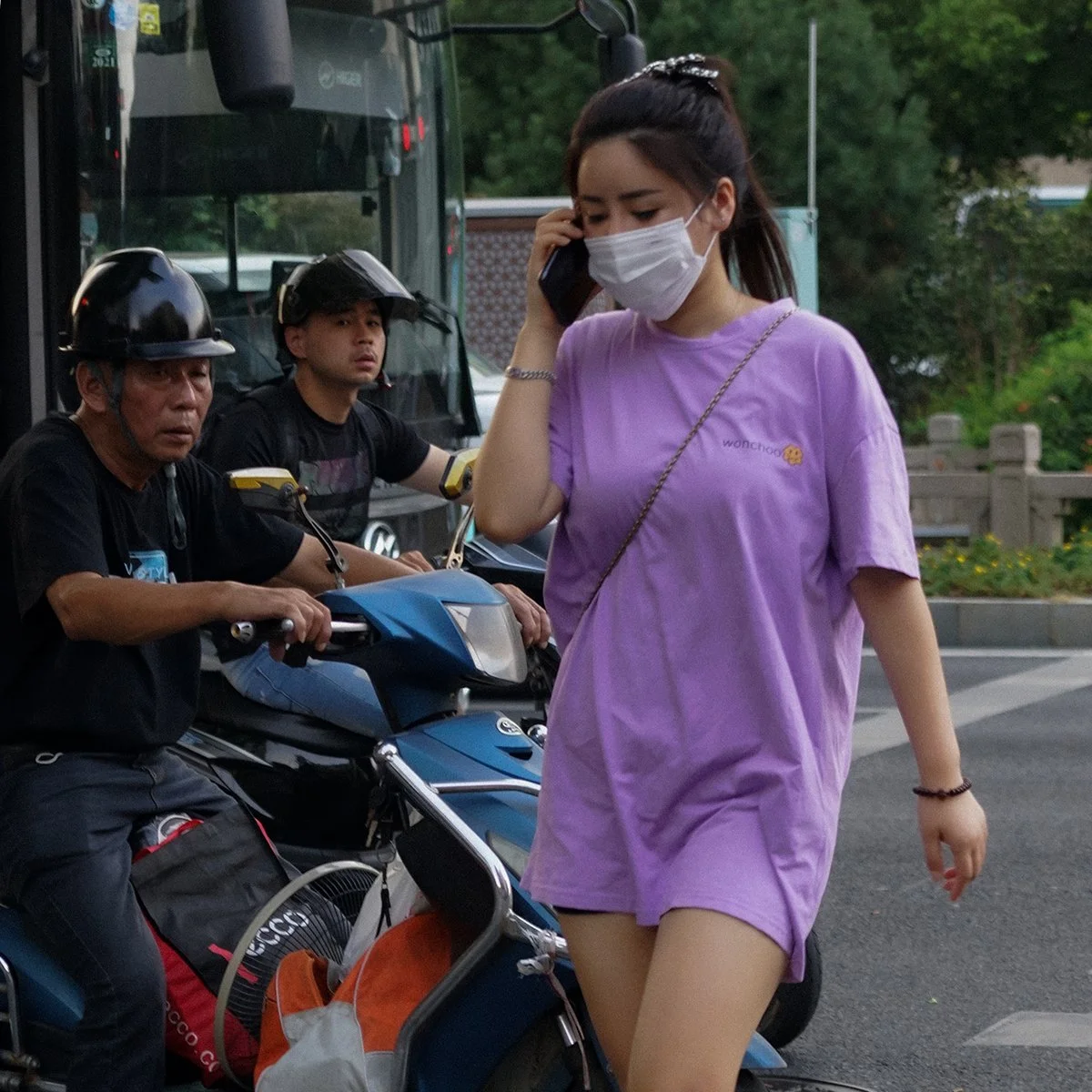
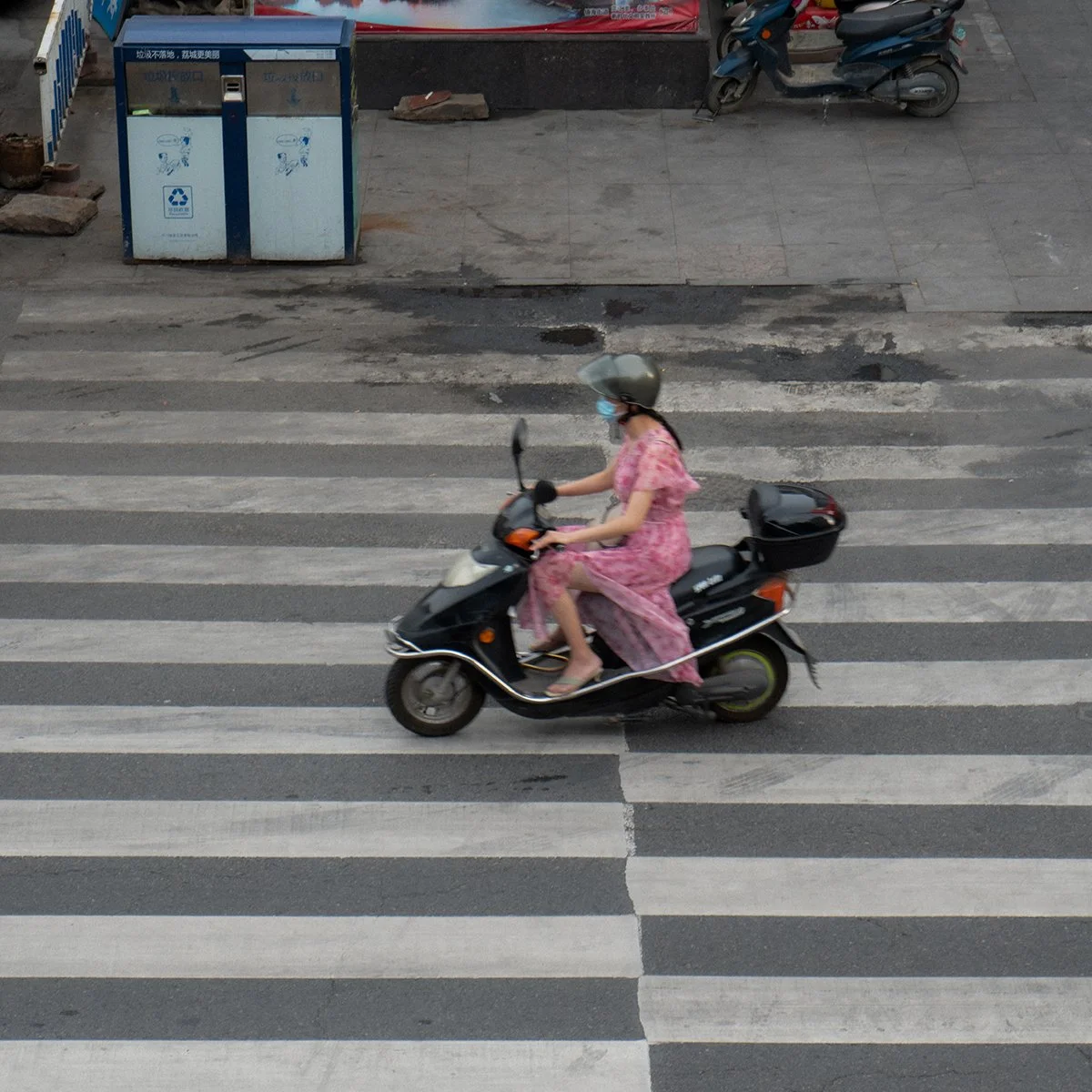
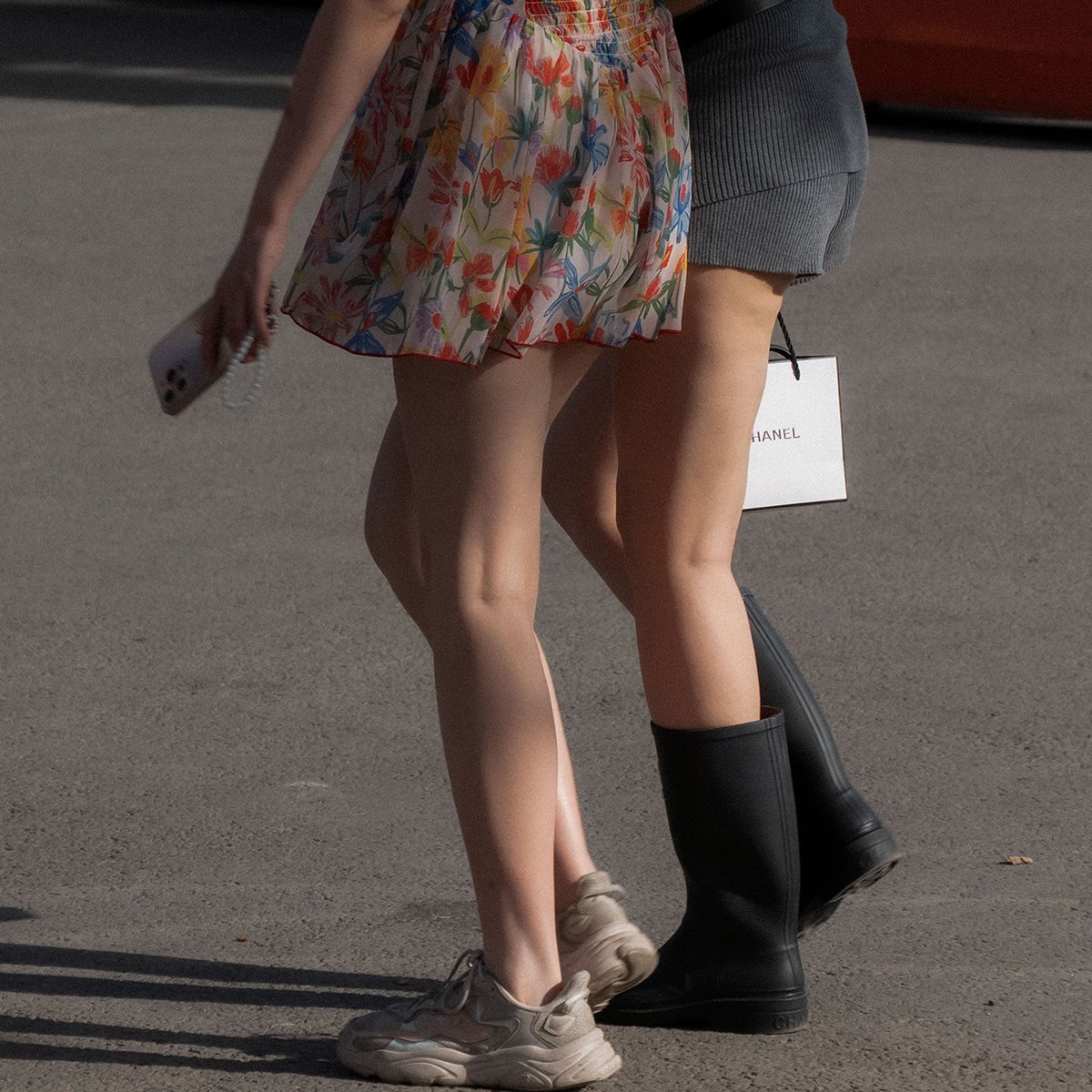
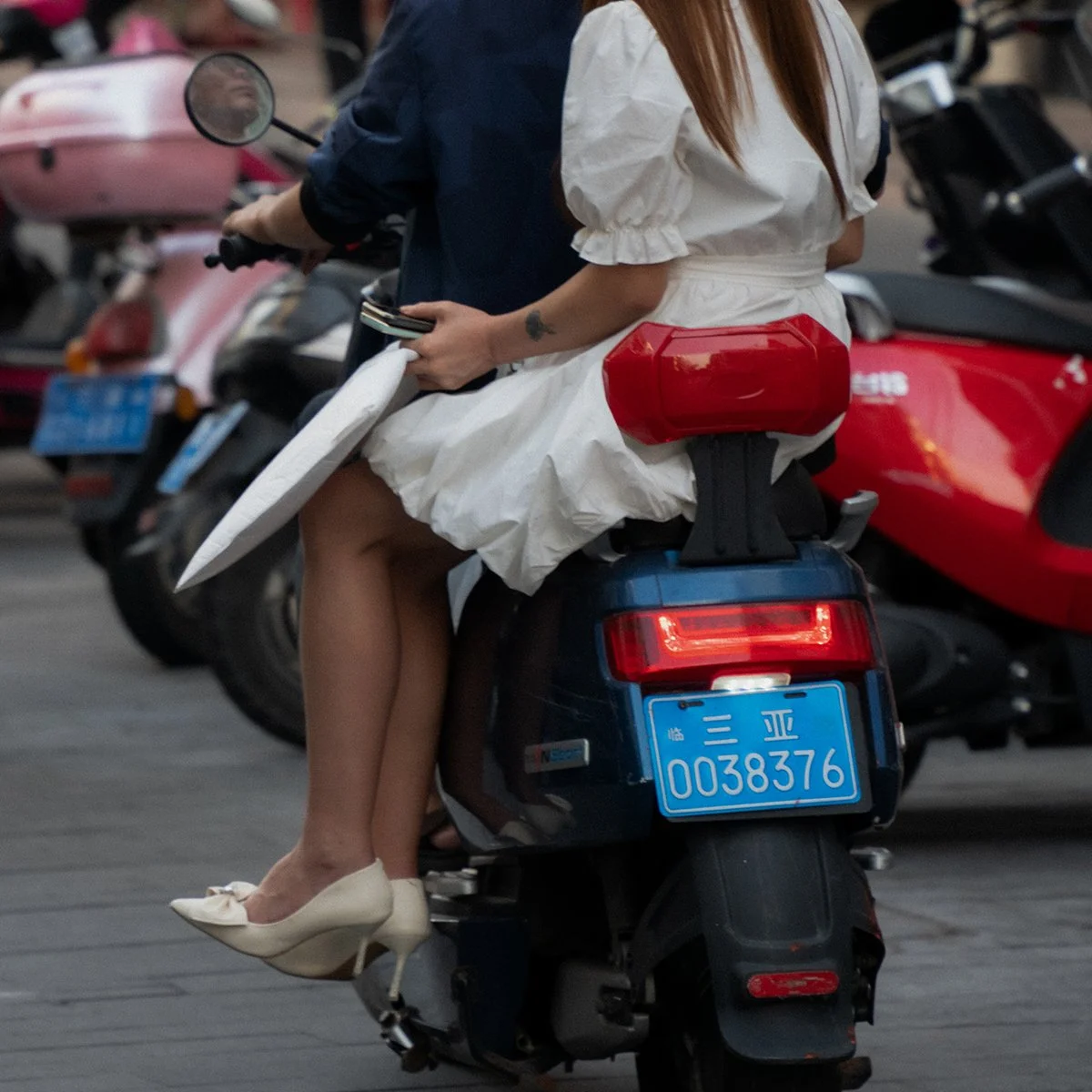
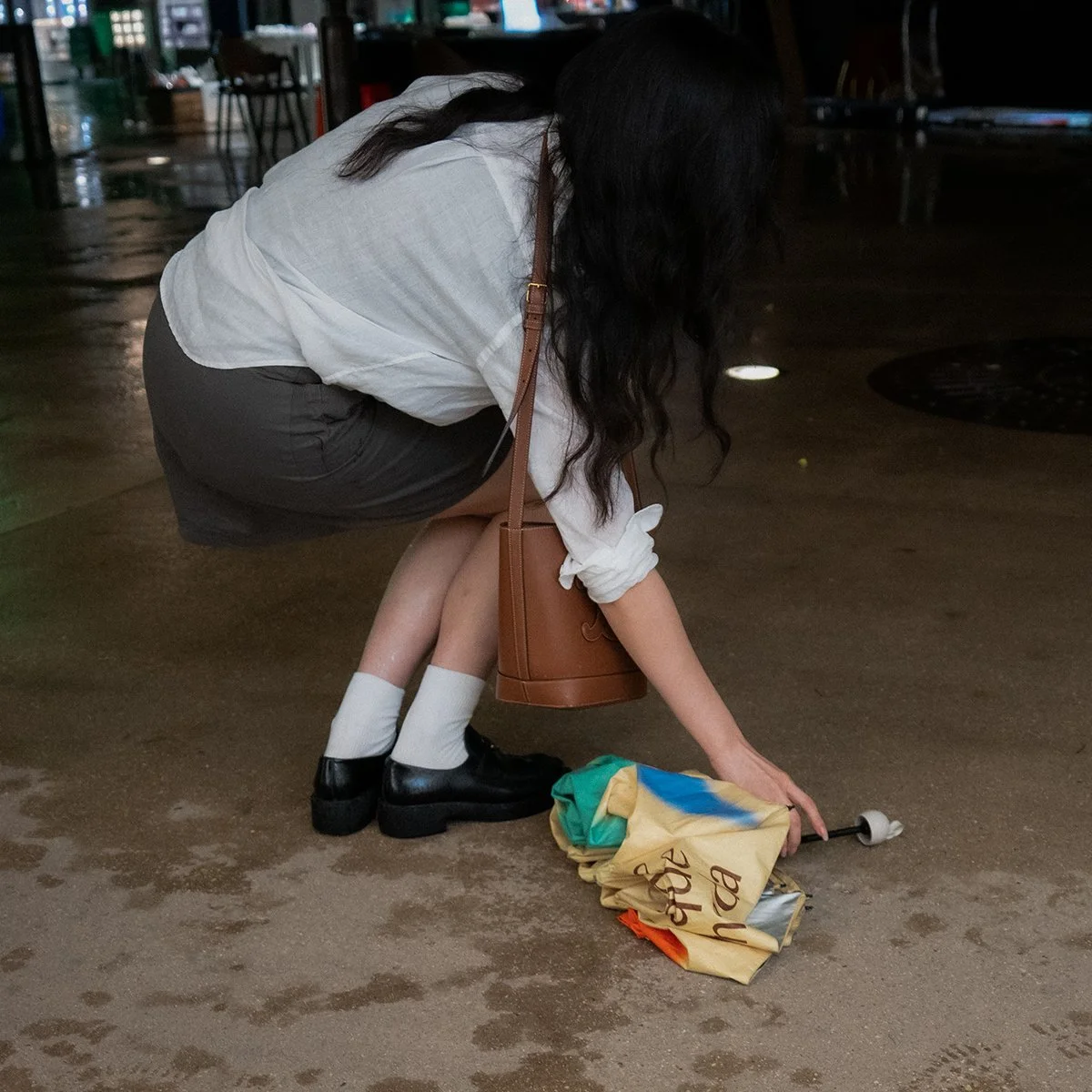
These photographs were taken between 2020 and 2024 in Wuhan, Changsha, Suzhou, Putian, Beijing, Sanya and Hangzhou.
Although they were made in different cities, they often feel as if they belong to the same place.
The streets, shopping districts, scooters and rhythms of movement repeat themselves from city to city.
The work became a way of observing the growing visual sameness across contemporary urban China.